Shuanghao's Design Guide for Caps with Flow Control Orifices
Meta Description:
Discover Shuanghao's comprehensive design guide for caps with flow control orifices. Learn about orifice geometry, molding challenges, material selection, and quality control for precision dispensing closures.
Meta Keywords:
flow control orifice, dispensing cap, orifice cap design, Shuanghao cap mold, precision orifice, sauce bottle cap, condiment dispenser, flow control closure, small orifice molding, orifice size tolerance, dispensing closure, cap with hole, orifice insert molding, thin wall orifice
Page Summary:
This article presents Shuanghao's comprehensive design guide for caps with flow control orifices. Learn about orifice geometry principles, molding challenges including fill and ejection, material selection strategies, insert molding techniques, and quality control for precision dispensing closures.
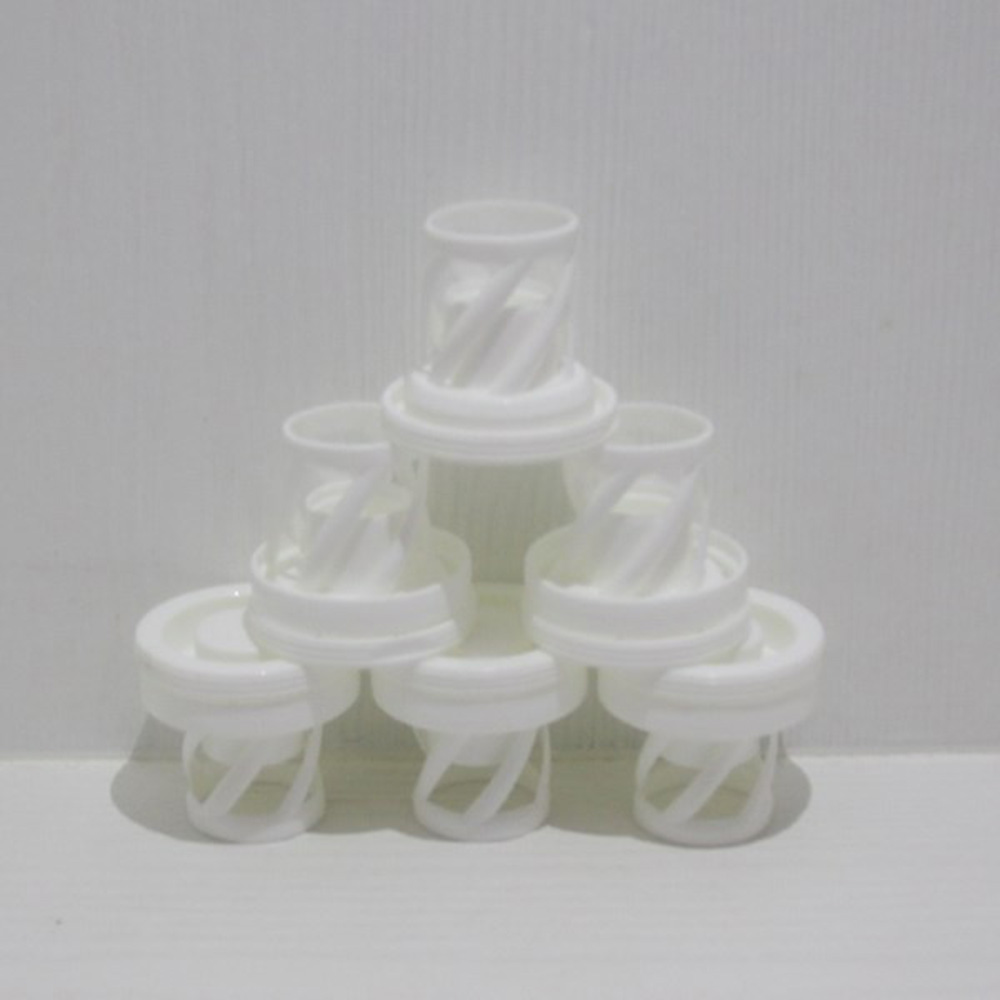
Article Content
Shuanghao's Design Guide for Caps with Flow Control Orifices
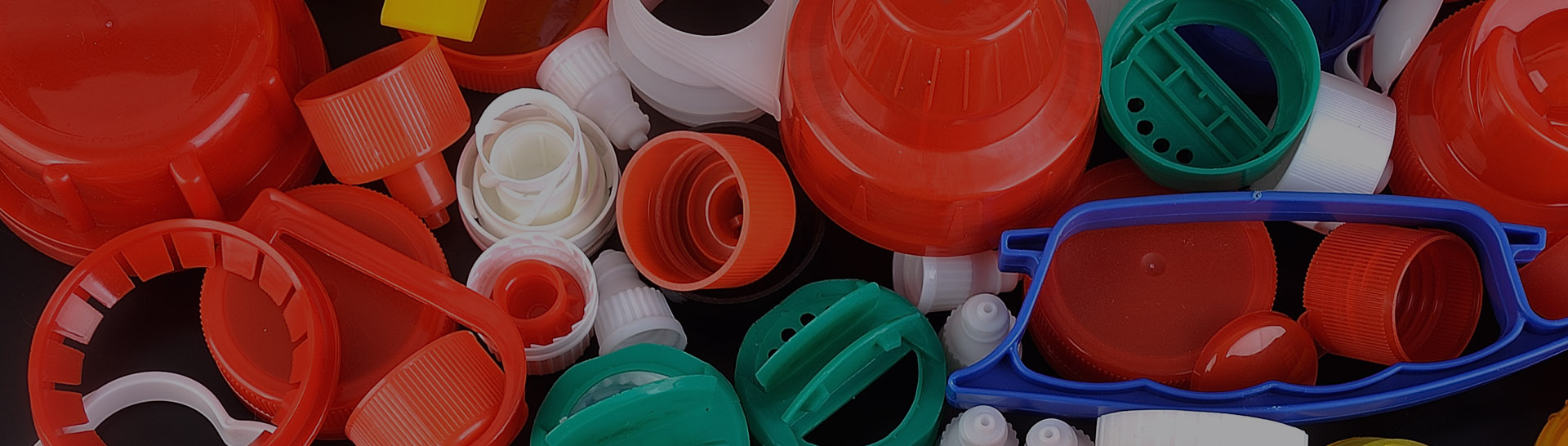
Not all caps simply seal. Some caps must dispense. Ketchup bottles need to release just the right amount. Dish soap bottles need to control flow without dripping. Lotion dispensers need to deliver a consistent dose. Industrial chemical bottles need to prevent splashing.
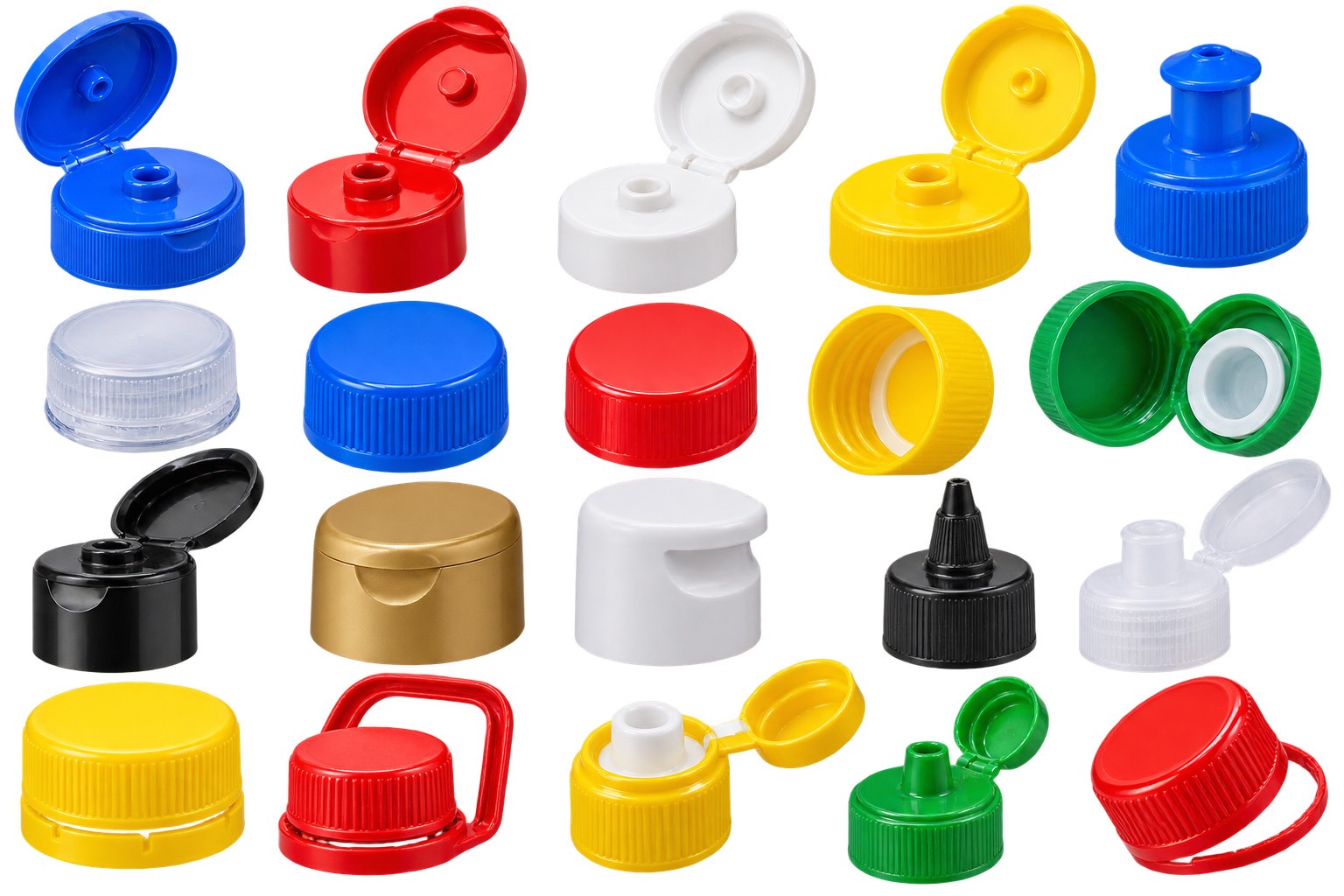
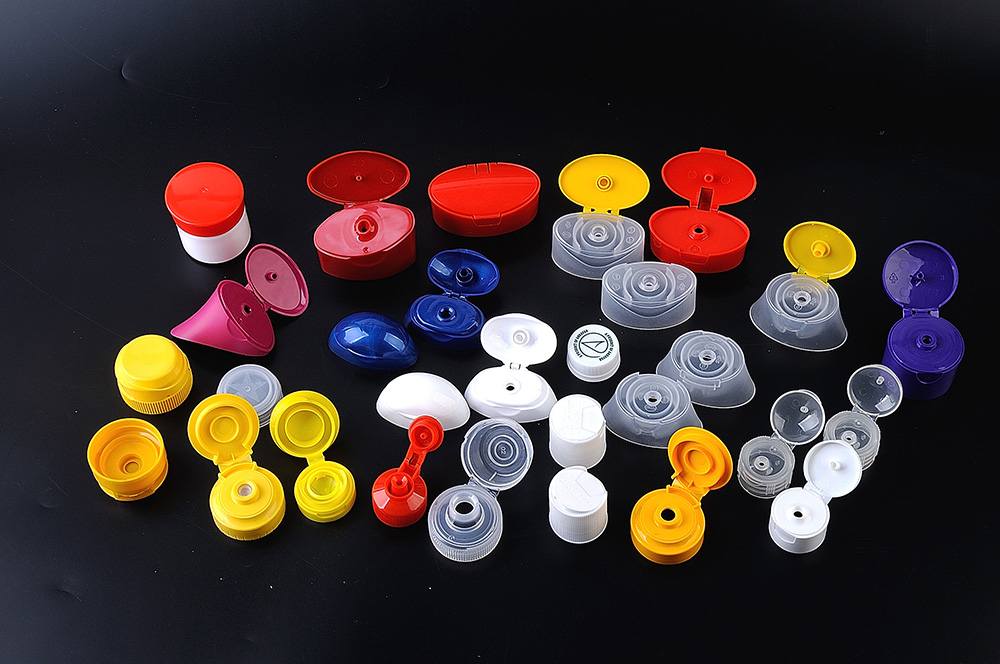
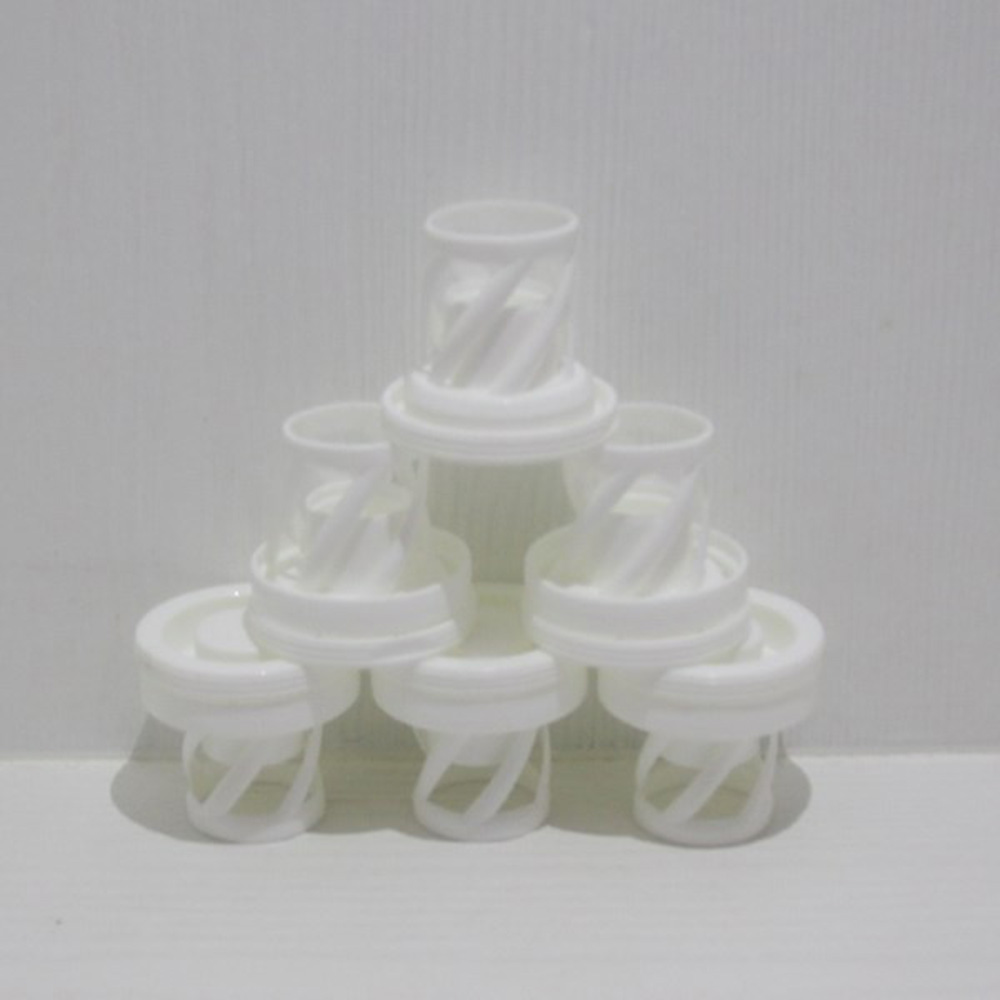
These applications require caps with flow control orifices—small openings that meter the flow of product from the bottle. The orifice may be a simple round hole, a star-shaped opening, a slit valve, or a complex multi-orifice pattern.
Designing and molding caps with flow control orifices is extraordinarily challenging. The orifice may be less than 1 millimeter in diameter. It must be perfectly round and smooth. It must be consistent from cap to cap, cavity to cavity. It must not be blocked by flash or residue.
At Shuanghao, we have developed specialized design and molding solutions for caps with flow control orifices. This guide reveals our approach.
Understanding Flow Control Orifices
Before discussing design solutions, it is essential to understand what flow control orifices do and why they are challenging.
Types of Orifices
Single round orifices provide basic flow control and are the simplest to mold. Multi-orifice patterns allow greater flow or different flow patterns. Slit valves (duckbill or cross-slit) open under pressure and seal when pressure is released. Star orifices create distinctive flow patterns. Metering orifices are precision-sized for consistent dosing.
Orifice Dimensions
Typical orifice diameters range from 0.5 to 5.0 millimeters. Small orifices (under 1.5mm) are most challenging to mold. Wall thickness at the orifice may be 0.5 to 1.5 millimeters. Aspect ratio (length to diameter) affects flow and moldability.
Functional Requirements
The orifice must be dimensionally accurate—even 0.1mm variation affects flow rate. It must be smooth with no rough edges that could affect flow or trap residue. It must be consistent cap-to-cap and cavity-to-cavity. It must be clear of flash that could partially or completely block the orifice.
The Molding Challenges
Caps with flow control orifices present unique molding challenges.
Filling Challenge
The orifice is typically the thinnest section of the cap. Melt may freeze off before filling the orifice completely, resulting in short shots or partially formed orifices. The small flow channel creates high shear and pressure drop.
Ejection Challenge
The orifice may be formed by a core pin that extends through the cap. This core pin must be retracted before ejection, requiring complex mechanical actions. The core pin may be fragile and prone to damage.
Cooling Challenge
The thin orifice section cools much faster than surrounding thick sections. Differential cooling creates residual stress and potential warpage. Cooling must be carefully balanced.
Dimensional Consistency
Small variations in orifice size have large effects on flow rate. A 0.1mm variation in a 1.0mm orifice changes area by 20 percent. Maintaining tight tolerances cavity-to-cavity is critical.
Orifice Design Principles
Proper orifice design is the foundation of moldability.
Diameter Selection
Consider the product viscosity: thicker products need larger orifices. Consider the desired flow rate: higher flow needs larger area. Consider manufacturing capability: orifices under 0.8mm are extremely challenging.
Shuanghao recommends minimum orifice diameters of 0.8mm for standard molding, 1.0mm for reliable production, and 1.2mm for high-cavitation molds.
Length-to-Diameter Ratio
Keep the L/D ratio low. Shorter orifices fill more easily. Target L/D ratio below 1:1 for best results. Maximum L/D ratio should not exceed 2:1.
Orifice Geometry
Use straight-through orifices for easiest molding. Avoid stepped or tapered orifices. Use generous radii at orifice entrance and exit to reduce stress concentration.
Wall Thickness Around Orifice
Maintain uniform wall thickness around the orifice. Avoid thick sections adjacent to thin sections. Gradual transitions reduce flow hesitation.
Insert Molding vs. Core Pin Molding
There are two primary methods for molding orifices: core pin molding and insert molding.
Core Pin Molding
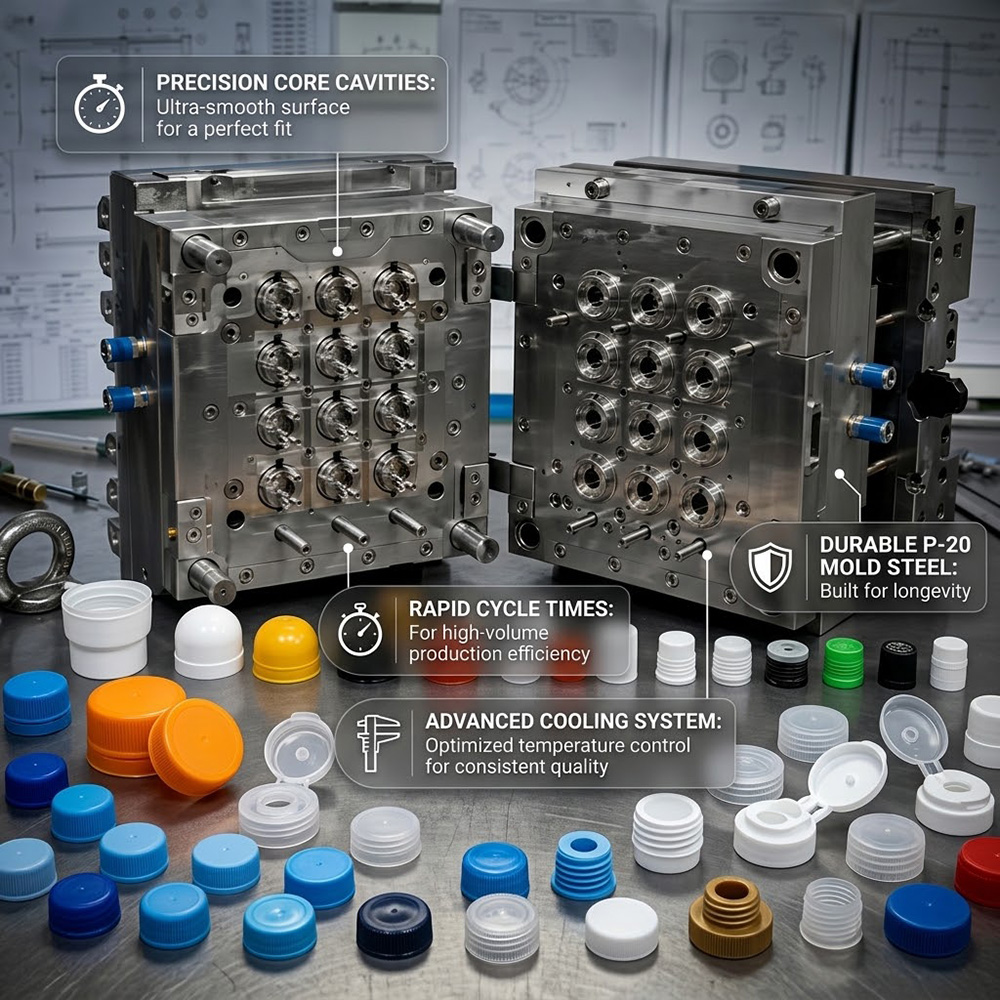
In core pin molding, a small steel pin extends into the cavity to form the orifice. The pin is retracted before ejection. This method produces a monolithic cap with the orifice molded directly into the plastic.
Core pin molding is suitable for larger orifices (1.2mm+). It is lower cost than insert molding. However, fragile small pins are prone to damage, and orifice quality depends on pin condition.
Insert Molding
In insert molding, a pre-formed metal or plastic insert with the orifice is placed in the mold. Plastic is molded around the insert. This method is suitable for all orifice sizes, including very small diameters. The insert provides superior dimensional stability, but it adds cost and assembly steps.
Shuanghao recommends core pin molding for larger orifices and high volume. Insert molding is recommended for small orifices and when precise flow control is critical.
Core Pin Design for Orifice Molding
When using core pins, proper design is essential.
Pin Material
Shuanghao uses hardened tool steel (60-62 HRC) for orifice core pins. Stainless steel is used for corrosion resistance when molding aggressive materials. Carbide may be used for extreme wear resistance.
Pin Geometry
The pin should be straight with polished surface. The tip should be flat or slightly radiused. Tapered pins are more fragile. Shuanghao uses straight pins with precision-ground diameters.
Pin Support
Core pins are fragile and must be well supported. Pin length should be minimized. Pin diameter should be maximized. Support bushings guide the pin and prevent deflection.
Pin Cooling
Core pins get hot and may overheat without cooling. Shuanghao incorporates cooling channels in pin holders. Air cooling may be used for small pins. Regular pin inspection prevents heat-related failure.
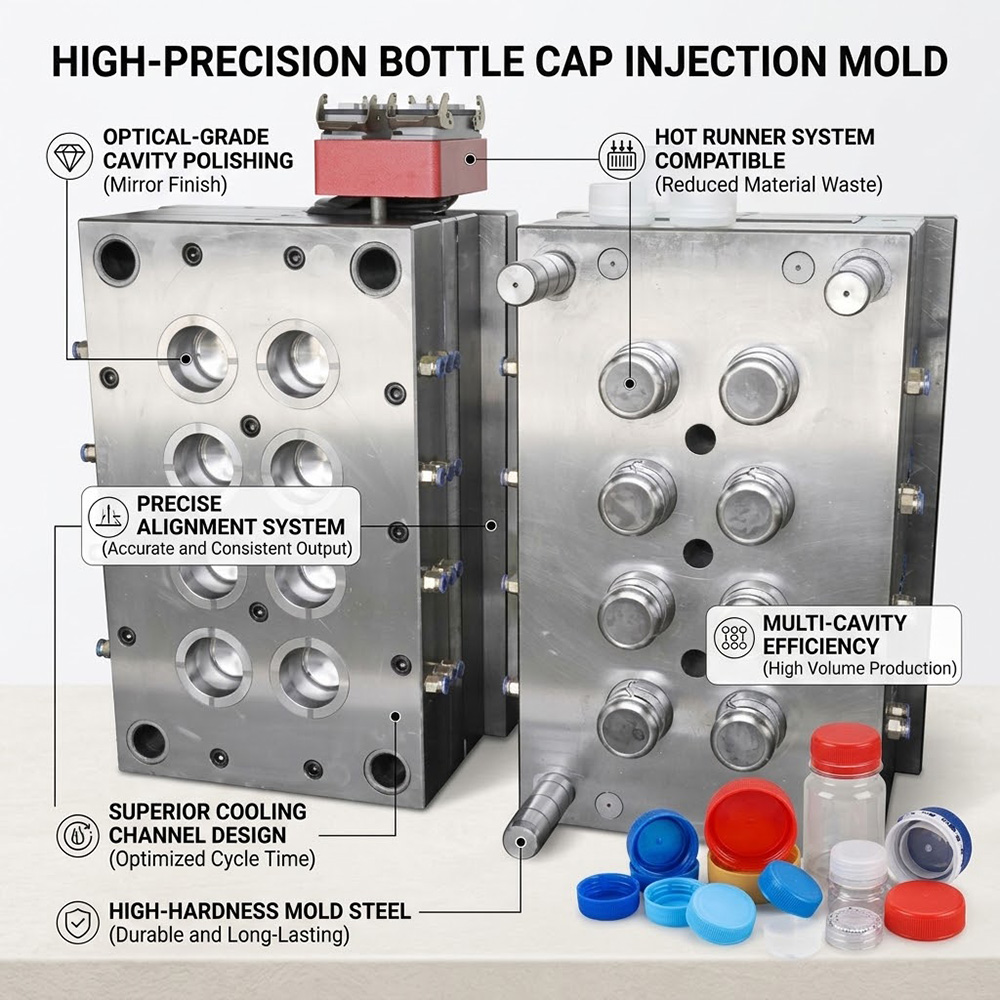
Mold Design for Orifice Caps
Specialized mold design features are required for orifice caps.
Gate Placement
The gate should be positioned to promote flow through the orifice. Gate location opposite the orifice encourages flow across the part. Avoid placing gate near the orifice, as this can cause flow hesitation. Multiple gates may be used for large caps.
Venting
Venting is critical at the orifice location. Air trapped at the orifice tip will prevent complete filling. Shuanghao places vents at the orifice location. Pin vents are used for deep orifice features.
Ejection
Orifice caps require careful ejection design. Sleeve ejectors are preferred to avoid pin marks on visible surfaces. Ejector pins must be placed away from the orifice area. Air ejection assists release without contact.
Hot Runner Balance
For multi-cavity molds, fill balance is critical. Each cavity must fill at the same rate. Slight imbalances cause some orifices to fill while others short-shot. Individual nozzle temperature control allows fine-tuning.
Material Selection for Orifice Caps
Material choice significantly affects orifice moldability.
Material Property Requirements
High flow (high MFI) materials fill small orifices more easily. Low viscosity reduces pressure drop through the orifice. Good thermal stability prevents degradation in thin sections. Low shrinkage maintains orifice dimensions.
Recommended Materials
For PP caps, Shuanghao recommends MFI of 15-25 for orifice applications, higher than the 10-15 used for standard caps. For HDPE, MFI of 8-12 is recommended. For PET, standard bottle-grade material is usually adequate.
Avoid filled materials with glass or mineral fibers, as fibers can clog or erode small orifices. Avoid regrind that may contain contaminants.
Quality Control for Orifice Caps
Orifice caps require specialized quality control.
Orifice Dimension Measurement
Pin gauges verify orifice diameter by inserting precision pins of known diameter. Optical measurement uses vision systems to measure orifice diameter and roundness. Air flow testing measures flow rate through the orifice as a functional test.
100 percent inspection is recommended for critical orifice applications.
Orifice Blockage Inspection
Backlight inspection illuminates the orifice from behind. Magnified visual inspection reveals flash or residue. Automated vision systems detect blockages at high speed.
Cavity Traceability
Each cavity must be identifiable. Orifice variation is often cavity-specific. Shuanghao marks each cavity for traceability.
Common Orifice Defects and Solutions
Problem: Partially Filled Orifice
Partial filling occurs when melt freezes before filling the orifice completely. Solutions include increasing melt temperature, increasing injection speed, moving gate closer to orifice, and increasing orifice size if possible.
Problem: Flash in Orifice
Flash occurs when thin plastic sheet blocks the orifice. Solutions include reducing vent depth, verifying mold closure, adjusting injection pressure, and checking core pin fit.
Problem: Inconsistent Orifice Size Cavity-to-Cavity
Size variation indicates core pin wear or temperature differences. Solutions include replacing worn core pins, verifying cavity-to-cavity temperature uniformity, checking fill balance, and cleaning residue from core pins.
Problem: Core Pin Breakage
Pin breakage indicates insufficient support or excessive injection pressure. Solutions include reducing pin length, increasing pin diameter, adding support bushings, and reducing injection pressure.
Real-World Results: Shuanghao Orifice Cap Customers
Customer Case: Condiment Bottle Cap
A condiment manufacturer needed caps with 1.5mm flow control orifices for ketchup bottles. Orifice diameter tolerance was plus or minus 0.05mm. Existing molds were producing inconsistent flow, with some bottles dispensing too quickly and others too slowly.
Shuanghao designed 48-cavity molds with precision core pins, individual nozzle temperature control, and cavity pressure monitoring.
Orifice diameter variation was reduced to plus or minus 0.03mm. Flow rate consistency improved by 80 percent. Consumer complaints about dispensing were eliminated.
Customer Case: Dish Soap Dispensing Cap
A dish soap manufacturer needed caps with a star-shaped flow control orifice. The complex geometry was difficult to mold consistently.
Shuanghao recommended insert molding with pre-formed metal orifice inserts. The inserts ensured perfect orifice geometry every cycle.
Flow pattern was consistent across all caps. The customer achieved the premium dispensing experience they desired.
The Shuanghao Orifice Cap Advantage
Shuanghao's design guide for caps with flow control orifices delivers proper orifice geometry with optimized diameter, L/D ratio, and transitions. Core pin design with hardened materials, adequate support, and cooling. Mold design with strategic gate placement, critical venting, and careful ejection. Material selection with high-flow grades for small orifice filling. Quality control with pin gauges, optical measurement, and 100 percent inspection.
Conclusion: Precision Flow, Every Time
Caps with flow control orifices are among the most challenging injection molding applications. Small dimensions, tight tolerances, and functional requirements demand specialized expertise.
Shuanghao's design guide provides the principles and practices for successful orifice cap molding. Through proper orifice design, core pin engineering, mold configuration, material selection, and quality control, we produce dispensing caps that deliver precision flow every time.
Whether you need simple round orifices for condiments, star patterns for dish soap, or custom designs for specialty products, Shuanghao has the expertise to engineer caps that dispense perfectly.
Choose Shuanghao. Choose precision flow control.