Managing Cap Flash: Causes, Prevention, and Solutions
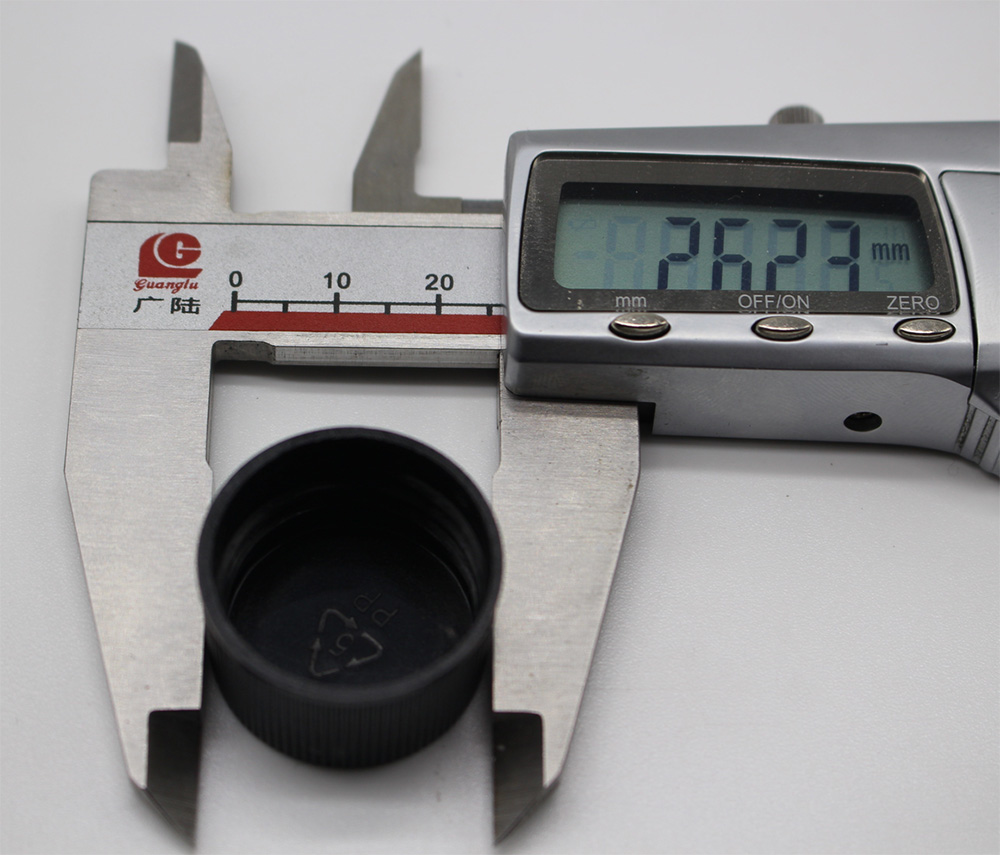
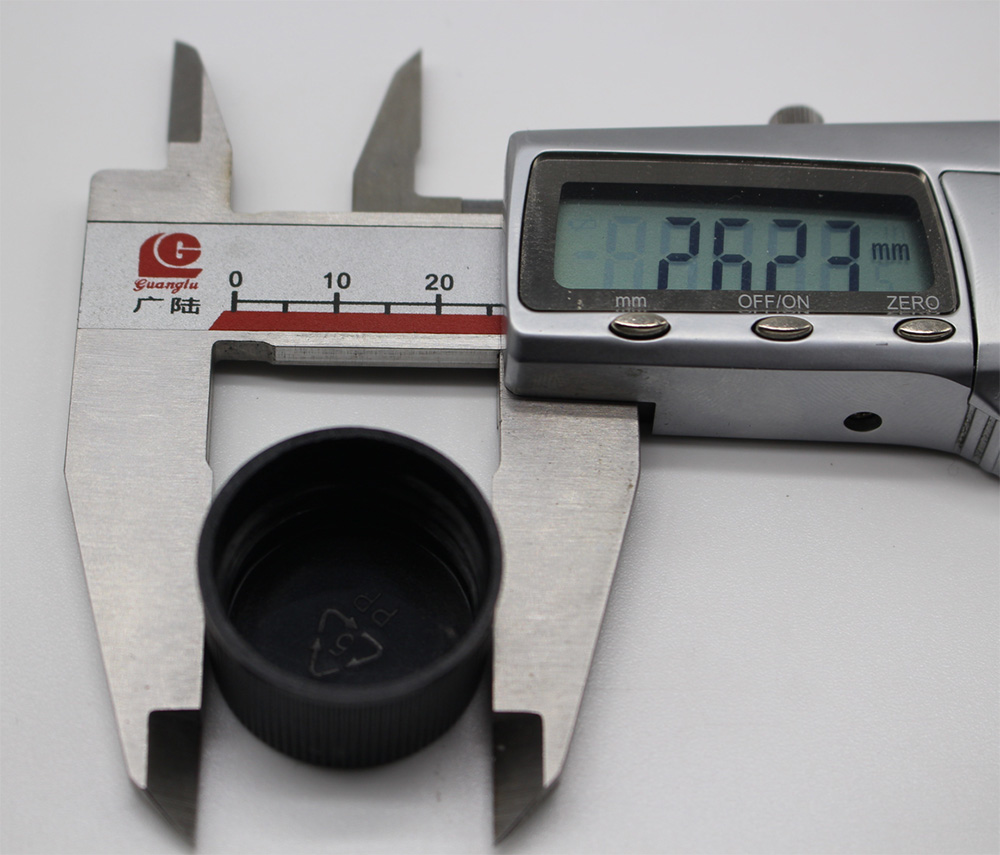
Flash—the thin layer of excess plastic that escapes from the mold cavity at parting lines, ejector pins, or component interfaces—is one of the most persistent defects in cap injection molding. It creates sharp edges, causes capping machine jams, increases material waste, and results in unacceptable appearance .
This guide provides a systematic approach to diagnosing and eliminating flash in bottle cap production.
Understanding Flash: What It Looks Like
Flash typically appears as feathering or fins at the parting line, hinge line, gate vestige halo, or tamper-evident band slit edges . It can range from subtle, almost invisible material excess to prominent fins that require secondary trimming operations.
The financial impact is significant. Even a 1% flash-related rejection rate on a 50-million-cap-per-year line can cost $20,000–$40,000 annually in material waste, handling, and secondary trimming .
Root Causes of Flash
Flash occurs when molten plastic escapes through gaps in the mold. Understanding the specific mechanism helps target the correct solution.
Insufficient Clamp Force
When injection pressure exceeds the machine's clamping force, the mold plates separate slightly, creating a gap for material to escape .
The Math: Required clamp force (kN) ≈ 0.01 × effective cavity pressure (bar) × projected area (cm²) × number of cavities × safety factor (1.1–1.3) .
For thin-wall caps, typical cavity pressure during pack is 300–600 bar. If flash appears late in fill only, the issue may be over-tight switchover rather than clamp capacity .
Worn or Damaged Mold Components
Parting line surfaces, guide pins, bushings, and ejector pins wear over millions of cycles. Worn surfaces no longer seal tightly, allowing material to escape .
Excessive Injection or Packing Pressure
When packing pressure is too high—particularly after the gate has frozen—pressure has nowhere to go except the parting line, forcing material outward .
Venting Issues
Paradoxically, both inadequate and excessive vent depth can cause flash. Vents that are too deep become channels for material escape . Blocked vents can create pressure spikes that force material past the parting line .
Mold Misalignment
When mold halves are not perfectly aligned, gaps exist on one side of the mold. This can result from worn guide pins, uneven platen parallelism, or improper seating .
Material Viscosity
Materials with low viscosity flow through even small gaps more readily. Material-specific clearance and vent depth requirements must be matched to the resin being processed .
Prevention Strategies
Optimize Clamp Force
If flash appears consistently across all features, the press may be undersized . Solutions include:
Increasing clamp tonnage (10–20% increment above analytical value is often sufficient)
If already at clamp limit, reduce peak pressure by advancing switchover, improving venting, or trimming pack-pressure steps
Precision Parting Line Maintenance
Parting line surfaces should be machined to flatness within 0.01mm . Hardened steel (HRC 50–55) on critical parting surfaces resists wear. Regular reconditioning service for worn molds restores sealing integrity .
Optimize Venting Depth
Vent depths must be precisely controlled :
| Vent Type | Depth Range | Application |
|---|---|---|
| Primary vents | 0.03–0.05mm | Parting line, main flow paths |
| Secondary vents | 0.02–0.03mm | Ribs, thin sections |
| Micro vents | 0.01–0.02mm | Sealing surfaces, aesthetic areas |
Material-Specific Recommendations :
| Material | Recommended Parting Line Clearance | Vent Depth |
|---|---|---|
| HDPE | <0.02mm | 0.03–0.05mm |
| PP | <0.015mm | 0.02–0.04mm |
| PET | <0.01mm | 0.01–0.03mm |
Reduce Injection Pressure
Excessive injection pressure is a common flash cause . Gradually reduce pressure until flash disappears, but monitor for short shots—incomplete filling may occur if pressure is reduced too much .
Maintain Mold Components
Regular inspection and replacement of worn components is essential :
Check parting line surfaces for wear or damage
Verify guide pin and bushing condition
Inspect ejector pins for wear
Replace damaged inserts immediately
Verify Mold Alignment
Use alignment tools to ensure perfect mold half alignment . Check platen parallelism and mold seating. Misalignment creates gaps on one side of the mold .
Process Optimization
Holding Pressure and Time Optimization
Research on gallon cap production found that holding pressure and holding time significantly affect flash defects . Ideal parameters (265 bar holding pressure, 0.6 seconds holding time) eliminated flash defects in trials .
Switchover Timing
If flash appears only at end-of-fill, try advancing switchover slightly (from V→P transition) to reduce late-stage pressure spikes .
Scientific Testing Protocol
For systematic troubleshooting :
Short-shot curve: Lock pack/hold off and chart % fill vs. injection time to identify minimum viable fill time
Gate freeze test: Step down hold time to find gate freeze-off point
Cavity pressure monitoring: Instrument near end-of-fill cavities to verify fill time and peak pressure consistency
Troubleshooting Quick Reference
| Symptom | Most Likely Cause | Solution |
|---|---|---|
| Flash across all features | Insufficient clamp force | Increase clamp tonnage or reduce peak pressure |
| Flash on one side of mold | Mold misalignment | Check platen parallelism and mold seating |
| Flash at specific locations only | Worn parting line or vents too deep | Recondition parting line, verify vent depths |
| Flash appears late in fill only | Late switchover or blocked vents | Advance switchover, clean vents |
| Flash intermittent | Process instability or wear | Stabilize temperatures, inspect components |
Real-World Results
Case Study: 64-Cavity CSD Cap Mold
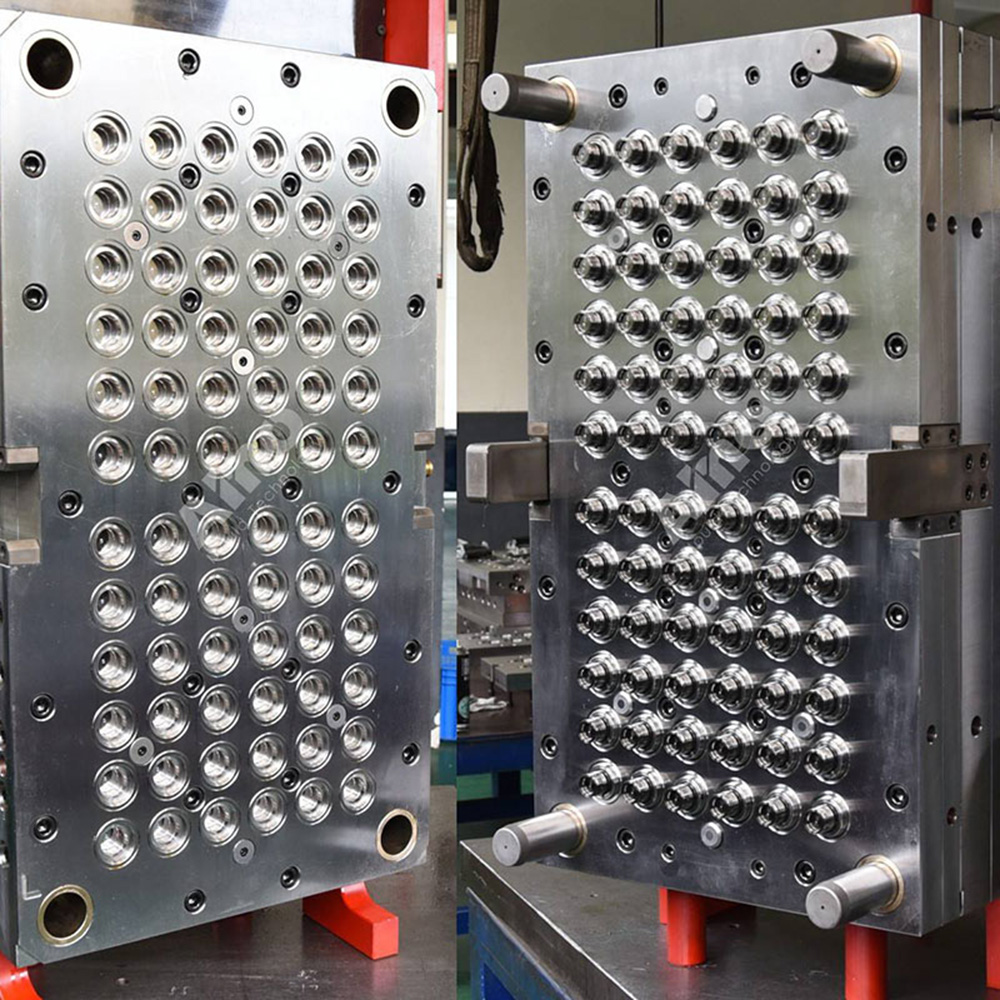
A carbonated soft drink cap manufacturer was experiencing flash on 1.5% of caps. After implementing optimized venting (0.03mm depth), hardened parting line surfaces (HRC 52), and precision-ground alignment, flash was reduced to 0.05%—a 97% reduction. Annual savings exceeded $185,000.
Conclusion
Flash is not inevitable in cap production. With systematic root cause analysis, precision mold design, and disciplined maintenance, flash incidence can be reduced to below 0.3% . The key is understanding the specific mechanism causing flash and implementing targeted solutions—whether clamp force optimization, precision vent depth control, or component reconditioning.