The Science of Cap Sealing: Linerless vs. Liner-Based Designs
The humble bottle cap has one job above all others: seal the bottle. A cap that does not seal is not a cap at all. It is a failure.
But how a cap seals varies dramatically. Some caps rely on the plastic itself to create the seal. Others use an additional component—a liner—to provide the sealing interface. Each approach has distinct advantages, limitations, and engineering considerations.
At Shuanghao, we manufacture molds for both linerless and liner-based caps. This article explains the science behind each sealing method, compares their performance characteristics, and provides guidance on selecting the right design for your application.
The Fundamentals of Cap Sealing
Before comparing designs, it is essential to understand what a seal is and how it works.
What Is a Seal?
A seal is a barrier that prevents material from passing between two surfaces. In bottle caps, the seal prevents product from leaking out and contaminants from getting in. The seal must maintain integrity under pressure, temperature changes, and mechanical stress.
How Seals Work
Seals work by creating an interference fit—compressing one surface against another. The compression creates contact pressure that blocks the passage of fluids or gases. More compression generally means better sealing, but excessive compression can make caps difficult to open or damage the sealing surfaces.
Linerless Cap Seals
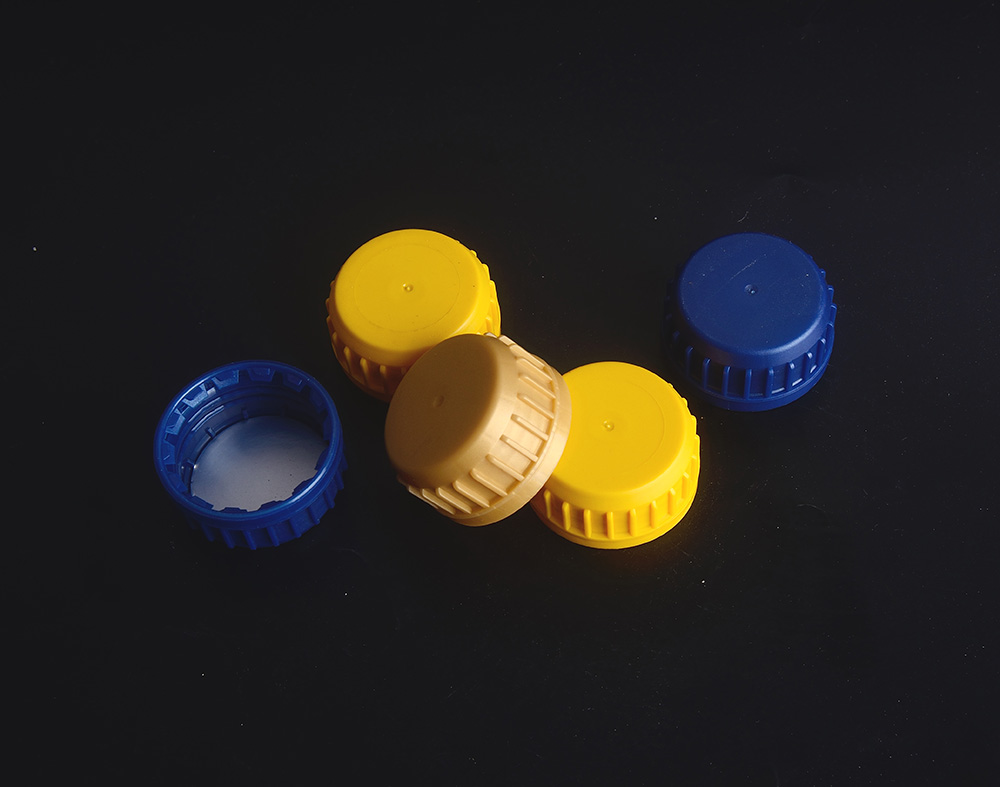
Linerless caps incorporate the sealing feature directly into the plastic cap. There is no separate liner component.
Types of Linerless Seals
The inner seal uses a raised ring on the cap interior that compresses against the bottle's sealing surface. This is common on water bottles and carbonated beverage caps.
The top seal (also called land seal) compresses the cap's top panel against the bottle rim. This is common on pharmaceutical and food jars.
The plug seal uses a cylindrical protrusion that fits inside the bottle neck. This is common on industrial containers and some food packaging.
The angled seal uses a tapered surface that contacts a matching taper on the bottle. This provides a self-centering effect.
How Linerless Seals Work
When the cap is tightened, the sealing feature compresses against the bottle surface. The plastic deforms slightly, creating contact pressure around the entire circumference. The pressure blocks product from escaping and air from entering.
Linerless seals are "positive" seals—the tighter the cap, the better the seal (within limits).
Advantages of Linerless Seals
Linerless caps have no separate liner component, reducing material cost and simplifying manufacturing. They require no liner assembly step. There is no risk of liner falling out or being misaligned. Recycling is easier as there is no dissimilar material to separate. They offer consistent sealing performance when properly designed.
Limitations of Linerless Seals
Linerless seals require more precise cap and bottle dimensions. The sealing surface must be perfectly flat and smooth. They are less forgiving of bottle finish variations. Sealing performance may degrade over time due to plastic creep (relaxation). They may not seal as reliably with viscous or particulate products.
Liner-Based Cap Seals
Liner-based caps use a separate component—the liner—to create the seal. The liner is placed inside the cap and compressed against the bottle.
Types of Liners
Foam liners (polyethylene or polyurethane foam) are compressible and conform to surface irregularities. They are common on pharmaceutical and food jars.
Pressure-sensitive liners adhere to the bottle rim when compressed. They are common on over-the-counter medications.
Induction liners use a foil layer that is heat-sealed to the bottle via electromagnetic induction. They provide tamper evidence and an excellent moisture barrier.
EVOH liners provide an oxygen barrier for oxygen-sensitive products.
Pull-push liners use a flexible membrane with a slit that opens under pressure.
How Liner-Based Seals Work
The liner is placed inside the cap. When the cap is tightened, the liner compresses against the bottle rim. The liner material conforms to surface irregularities, creating a seal. Some liners bond to the bottle (induction liners), others remain removable.
Advantages of Liner-Based Seals
Liners conform to surface irregularities, tolerating rougher bottle finishes. They provide superior barrier properties when specialized materials are used (foil, EVOH). Induction liners provide tamper evidence. They can seal a wider range of bottle materials and finishes. They are more forgiving of dimensional variation.
Limitations of Liner-Based Seals
Liners add material cost (typically 1-3 cents per cap). Liner insertion adds a manufacturing step. Liners can fall out during shipping. Recycling is more difficult because the liner is a different material. Induction liner equipment adds capital cost. Liners may be incompatible with certain products.
Sealing Performance Comparison
Leakage Prevention
Linerless seals provide good leakage prevention with properly designed surfaces. Liner-based seals provide excellent leakage prevention due to conformability. For thin, low-viscosity products, liner-based seals have an advantage.
Pressure Retention
Linerless seals provide excellent pressure retention for carbonated beverages. The positive seal actually improves with pressure. Liner-based seals provide moderate pressure retention as liners may compress or move under pressure. For carbonated beverages, linerless is generally preferred.
Oxygen Barrier
Linerless seals provide moderate oxygen barrier dependent on plastic material. Liner-based seals with EVOH or foil provide excellent oxygen barrier. For oxygen-sensitive products, liner-based is generally preferred.
Moisture Barrier
Linerless seals provide good moisture barrier for most applications. Liner-based seals with foil provide excellent moisture barrier. For moisture-sensitive products, induction liners are often specified.
Temperature Resistance
Linerless seals provide good temperature resistance for hot-fill applications with appropriate material. Liner-based seals provide variable temperature resistance depending on liner material. For hot-fill, linerless is generally preferred.
Application Suitability Guide
Bottled Water
Linerless is the standard for bottled water. Cost is low, sealing is reliable, recycling is simple. Liner-based is rarely used due to cost and complexity.
Carbonated Beverages
Linerless is the standard for carbonated beverages. Excellent pressure retention, reliable sealing. Liner-based is not recommended due to pressure retention concerns.
Pharmaceuticals (Dry Products)
Linerless or liner-based are both suitable. Induction liners provide tamper evidence. Foam liners provide cushioning and seal. Linerless provides simplicity.
Pharmaceuticals (Liquid)
Linerless or liner-based are both suitable. Induction liners provide tamper evidence and leakage protection. Linerless requires precise sealing surfaces.
Juices and Hot-Fill Products
Linerless is preferred for hot-fill. Good temperature resistance, no liner to distort. Liner-based may be used with temperature-appropriate liners.
Oxygen-Sensitive Products (Wine, Beer)
Liner-based with EVOH or foil provides oxygen barrier. Linerless with barrier materials may be sufficient for some applications.
Industrial Chemicals
Linerless is common for industrial chemicals. Chemical-resistant material, simple construction. Liner-based may be used for aggressive chemicals requiring specific liner materials.
Food Products (Jams, Sauces)
Linerless or liner-based both used. Linerless is preferred for cost. Liner-based with foam provides sealing on imperfect bottle finishes.
Mold Design Considerations
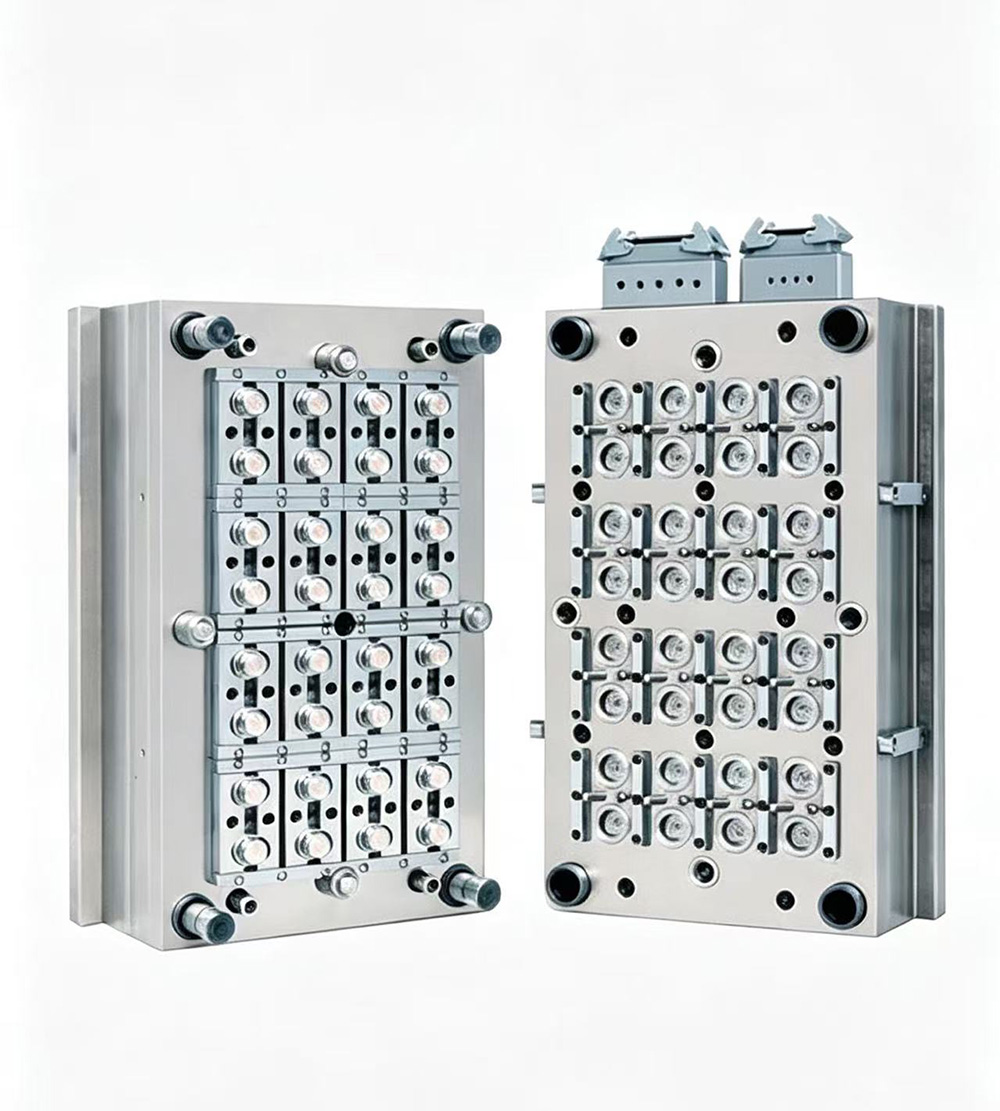
Linerless Cap Mold Design
Linerless caps require precision sealing surfaces. The sealing surface must be perfectly flat (within 0.05mm). Surface finish must be smooth (Ra 0.2 micrometers or better). The sealing feature geometry must be optimized for compression.
Shuanghao uses conformal cooling to maintain sealing surface flatness. Mirror polishing achieves required surface finish. Precision machining ensures dimensional accuracy.
Liner-Based Cap Mold Design
Liner-based caps require a liner seat—the surface that holds the liner. The liner seat must be flat to ensure even liner compression. Depth must be consistent to control liner compression. The liner retention feature prevents liner from falling out.
Liner-based cap molds are generally less demanding than linerless molds because the liner compensates for minor surface imperfections.
Common Sealing Defects and Solutions
Problem: Linerless Cap Leaks
Leakage indicates sealing surface imperfection or insufficient compression. Solutions include verifying sealing surface flatness, checking surface finish, increasing torque, and inspecting for warpage.
Problem: Linerless Cap Seal Relaxation
Seal relaxation (cap loosens over time) indicates plastic creep. Solutions include adding sealing surface geometry (e.g., multiple sealing rings), increasing interference, using higher creep-resistant material, and adding liner.
Problem: Liner Falling Out
Liner falling out indicates insufficient retention. Solutions include adding liner retention features (barbs or undercuts), increasing interference fit, reducing liner thickness, and using adhesive-backed liners.
Problem: Induction Liner Not Sealing
Induction liner failure indicates insufficient heat or pressure. Solutions include verifying cap torque, checking liner presence, inspecting induction coil function, and verifying bottle finish cleanliness.
Real-World Results: Shuanghao Sealing Customers
Customer Case: Carbonated Beverage Cap
A major cola manufacturer needed caps that would retain carbonation for 12 months. Leakage rates were too high with linerless seals.
Shuanghao optimized the linerless sealing surface geometry with a double-seal design. The inner seal provides primary pressure retention. The outer seal provides backup. Leakage rates decreased by 90 percent. Carbonation retention met the 12-month requirement.
Customer Case: Pharmaceutical Induction Seal
A pharmaceutical manufacturer needed tamper-evident induction seals for a new liquid medication. Liners were falling out before reaching the filling line.
Shuanghao added liner retention features (small undercuts) to the cap. Liners were securely held even during rough handling. The product launched successfully with zero liner fallout complaints.
The Shuanghao Sealing Recommendation
Shuanghao recommends linerless caps for high-volume beverage applications (water, carbonated drinks, hot-fill). They offer lower cost and simpler manufacturing.
Liner-based caps are recommended for pharmaceutical applications requiring tamper evidence (induction liners). For oxygen-sensitive products requiring barrier protection (EVOH/foil liners). For applications with rough bottle finishes requiring conformability. For products where absolute seal reliability is critical.
Conclusion: The Right Seal for Every Application
Linerless and liner-based seals each have their place. Neither is universally superior. The right choice depends on product requirements, cost targets, and manufacturing capabilities.
Shuanghao engineers both linerless and liner-based cap molds. We help customers evaluate sealing requirements, compare performance characteristics, assess cost implications, and select the optimal design. The result is a cap that seals reliably, performs consistently, and meets your specific application needs.
Whether you need linerless simplicity or liner-based performance, Shuanghao has the sealing expertise to deliver.
Choose Shuanghao. Choose the science of sealing.