Shuanghao's Approach to Caps with Multi-Start Threads
Most bottle caps use a single-start thread. One full turn of the cap advances it by one thread pitch. To remove the cap, the consumer twists approximately 360 degrees.
But not all caps follow this convention. Multi-start threads use two, three, or even four parallel thread helixes. A two-start thread advances twice as far per turn. A three-start thread advances three times as far. The cap opens with a fraction of a turn—a quarter turn, a sixth turn, or less.
Multi-start threads offer compelling advantages. They provide rapid opening for convenience. They reduce the torque required for removal. They create distinctive consumer experiences. They allow one-handed operation.
But multi-start threads are significantly more difficult to design, mold, and inspect than single-start threads. The geometry is more complex. The manufacturing tolerances are tighter. The ejection requirements are more demanding.
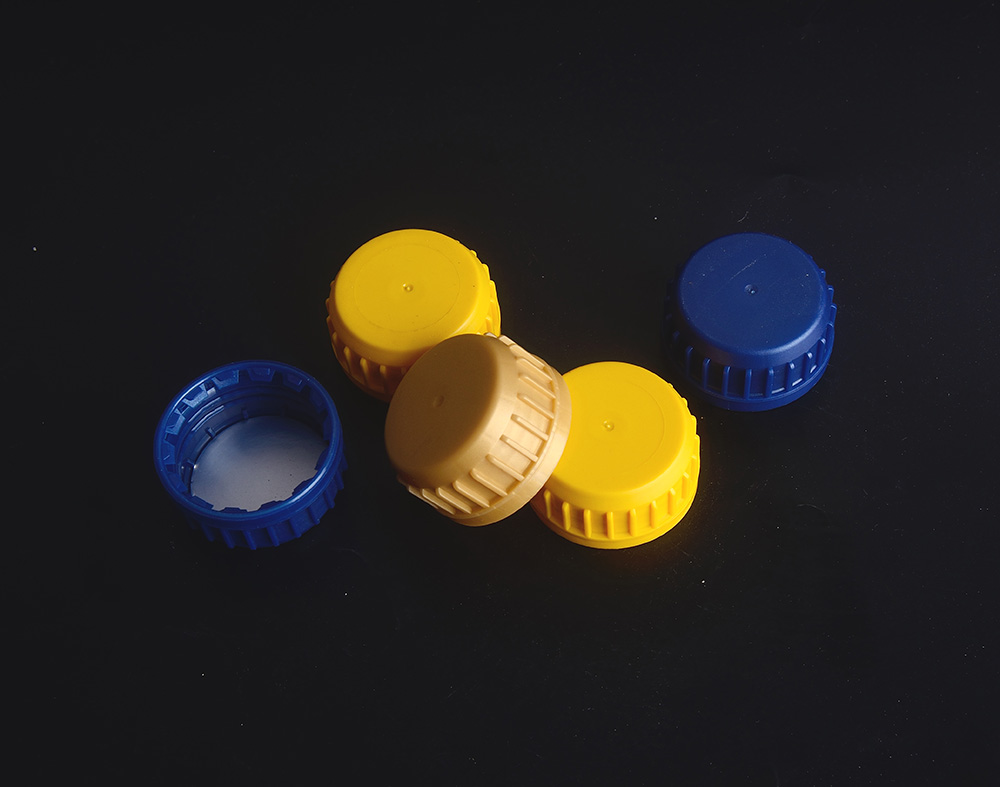
At Shuanghao, we have developed specialized solutions for caps with multi-start threads. This article reveals our approach.
Understanding Multi-Start Threads
Before discussing solutions, it is essential to understand what multi-start threads are and how they work.
Single-Start vs. Multi-Start
A single-start thread has one continuous thread helix running around the cap. The lead (advance per turn) equals the pitch (distance between threads). Lead equals pitch.
A two-start thread has two parallel thread helixes. The lead is twice the pitch. One full turn advances the cap by two thread pitches. The cap opens in half a turn.
A three-start thread has three parallel helixes. Lead is three times pitch. One turn advances by three pitches. The cap opens in one-third of a turn.
Lead angle increases with more starts. The steeper thread angle changes the mechanical advantage.
Advantages of Multi-Start Threads
Faster opening requires less consumer effort. Lower turn count improves convenience for arthritis sufferers. Distinctive opening feel creates premium brand perception. Reduced torque required for removal.
Disadvantages of Multi-Start Threads
More complex mold manufacturing is required. Tighter dimensional tolerances are necessary. Ejection is more challenging. Higher precision is needed for sealing.
Common Multi-Start Configurations
Two-Start Threads (Double-Start)
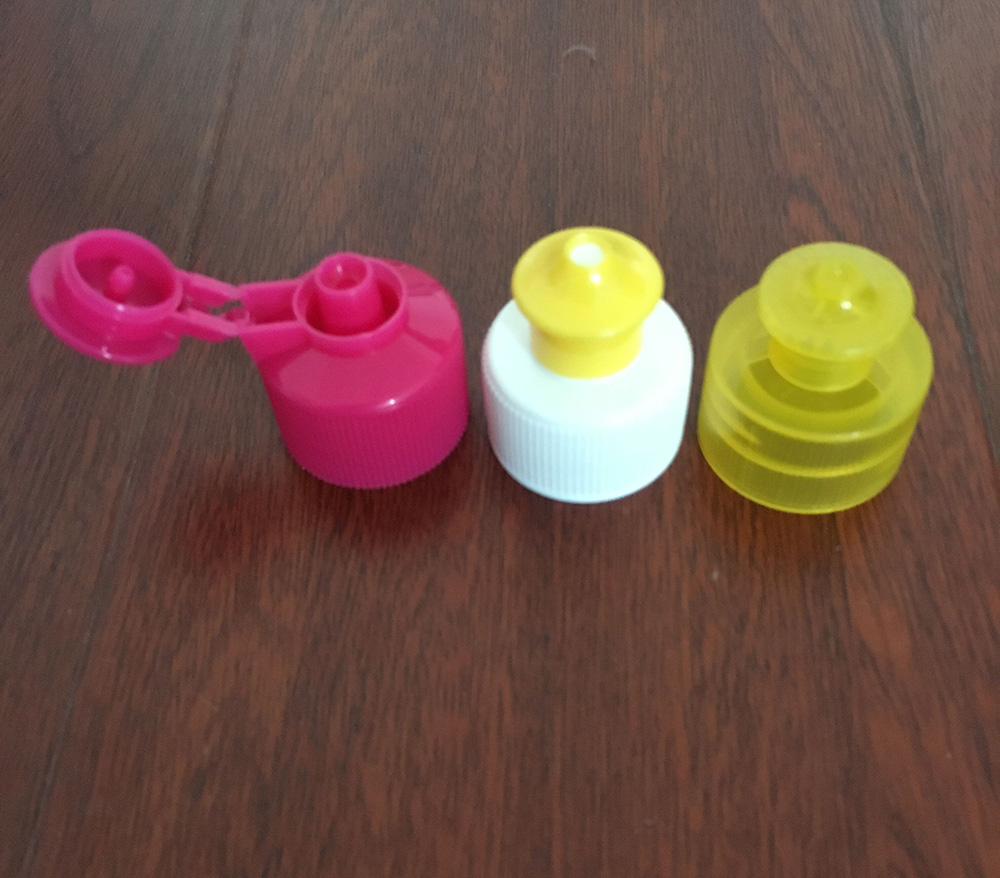
Two-start threads are the most common multi-start configuration. Opening requires 180 degrees (half turn). Applications include sports drink caps, large-diameter containers, and pharmaceutical bottles.
Three-Start Threads (Triple-Start)
Three-start threads open in 120 degrees (one-third turn). Applications include premium water bottles, specialty beverage caps, and containers for elderly users.
Four-Start Threads (Quad-Start)
Four-start threads open in 90 degrees (quarter turn). Applications include industrial containers, medical waste containers, and specialty packaging.
Thread Geometry Considerations
Proper thread geometry is essential for multi-start cap function.
Lead Angle
As the number of starts increases, the lead angle increases. This affects the mechanical advantage and the force required to remove the cap. It also affects the sealing compression and the potential for cross-threading.
Shuanghao engineers calculate optimal lead angle for each application.
Thread Profile
Multi-start threads can use standard thread profiles (buttress, modified buttress, or rounded). The profile must be consistent across all starts. Shuanghao recommends modified buttress profiles for most multi-start caps.
Start Phasing
Multiple starts must be equally spaced around the circumference. A two-start thread requires starts 180 degrees apart. A three-start thread requires starts 120 degrees apart. A four-start thread requires starts 90 degrees apart.
Phasing accuracy is critical for proper engagement with the bottle neck.
Mold Manufacturing for Multi-Start Threads
Multi-start threads present significant mold manufacturing challenges.
Thread Machining
Multi-start threads require specialized machining techniques. Multi-axis CNC with thread milling capability is essential. Single-point thread milling is more accurate than tapping. EDM may be used for complex thread profiles.
Shuanghao uses 5-axis machining centers for multi-start thread cavities.
Thread Synchronization
All thread starts must be precisely synchronized. The angular relationship between starts must be exact. Shuanghao uses precision indexing and CNC positioning to ensure accurate phasing.
Cavity-to-Cavity Consistency
Thread geometry must be identical across all cavities. Shuanghao uses EDM with identical electrodes for all cavities. CNC programs are verified. CMM inspection confirms thread dimensions.
Core Design for Multi-Start Caps
The core that forms the cap interior must accommodate multiple thread starts.
Core Construction
Multi-start cores are more complex than single-start cores. Multiple thread starts require multiple thread-forming surfaces. Core strength may be reduced by thread features.
Shuanghao uses hardened tool steel for multi-start cores. Material selection balances wear resistance and toughness.
Core Cooling
Multi-start cores have less material for cooling channels. Cooling must be maintained despite complex geometry. Shuanghao uses conformal cooling and high-conductivity materials.
Ejection Considerations
Multi-start threads may grip the core more tightly. The undercut created by the threads can make ejection difficult. Shuanghao uses increased draft angles where possible. Additional ejector pins distribute force. Air ejection assists release.
Hot Runner Considerations
Multi-start caps require balanced filling for consistent thread formation.
Gate Placement
Gate placement affects thread fill quality. Shuanghao positions gates to promote flow along the thread direction. Multiple gates may be used for large caps. Valve gates allow sequential fill control.
Flow Balance
Flow must be balanced to all thread starts simultaneously. Uneven fill creates inconsistent thread profiles. Shuanghao uses mold flow analysis to optimize gate placement.
Quality Control for Multi-Start Threads
Multi-start threads require specialized quality control methods.
Thread Inspection
Optical comparators project thread profiles for visual inspection. CMM with specialized thread probes measures lead, pitch, and start phasing. Thread go/no-go gauges verify functional fit. Vision systems measure start spacing.
Critical Parameters
Start phasing accuracy should be plus or minus 0.5 degrees. Lead angle variation should be less than 0.5 degrees. Thread profile should be within 0.03 millimeters of nominal. Pitch diameter variation should be less than 0.05 millimeters.
Functional Testing
Multi-start caps require functional testing on bottles. Torque testing verifies removal force. Cross-threading testing verifies proper starting. Sealing testing verifies closure integrity.
Common Multi-Start Defects and Solutions
Problem: Start Phasing Error
Starts not equally spaced causes cross-threading or difficult starting. Solutions include verifying CNC indexing accuracy, checking for mold component wear, inspecting core alignment, and requalifying thread machining.
Problem: Inconsistent Thread Profile
Profile variation between starts indicates machining variation. Solutions include verifying EDM electrode geometry, checking CNC tool paths, inspecting for core wear, and measuring each start separately.
Problem: Difficult Ejection
Caps sticking on core indicate excessive thread grip. Solutions include increasing draft angle, adding air ejection, polishing core surfaces, and increasing cooling time.
Problem: Cross-Threading
Caps starting at wrong thread cause consumer frustration. Solutions include verifying start phasing, adding lead-in chamfers, increasing start angle, and improving bottle thread geometry.
Real-World Results: Shuanghao Multi-Start Customers
Customer Case: Sports Drink Cap
A sports drink manufacturer needed a two-start thread cap that opened in half a turn. Athletes needed quick, one-handed access during activity.
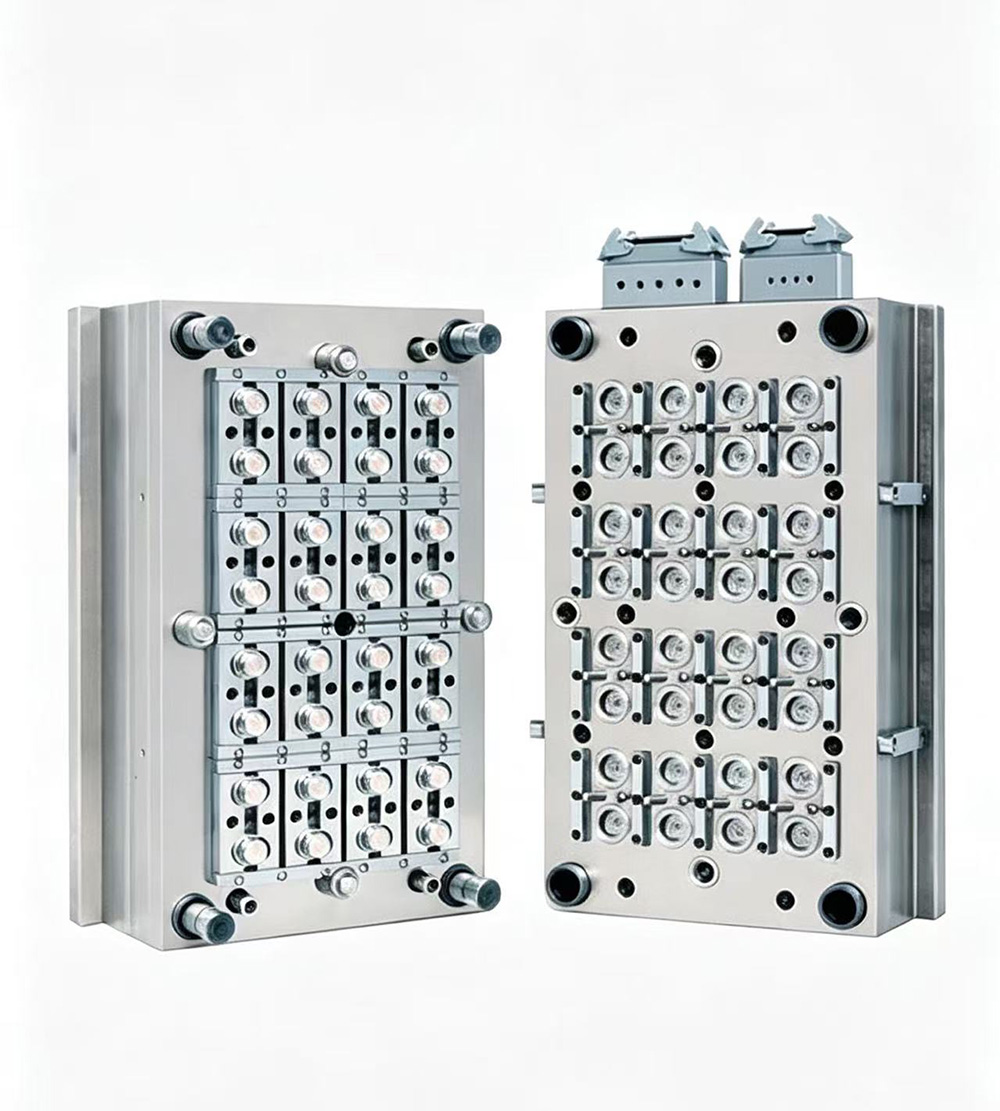
Shuanghao designed a 48-cavity mold with two-start threads, precision-machined cores, and air ejection. Start phasing accuracy was held to plus or minus 0.3 degrees. The cap opened consistently in 180 degrees plus or minus 10 degrees. Consumer testing showed 95 percent preferred the quick-open design.
Customer Case: Premium Water Bottle
A premium water brand wanted a distinctive opening experience. A three-start thread (120-degree opening) was specified.
Shuanghao manufactured three-start thread cavities using EDM with indexed electrodes. Thread synchronization was verified using optical measurement. The cap provided a smooth, quarter-turn opening feel. The brand successfully differentiated itself in a crowded market.
The Shuanghao Multi-Start Advantage
Shuanghao's specialized approach to multi-start caps delivers proper thread geometry with optimized lead angle, profile, and start phasing. Precision manufacturing using 5-axis CNC and EDM for accurate thread formation. Core design with adequate cooling, appropriate draft, and effective ejection. Balanced flow through optimized gate placement and mold flow analysis. Quality control with CMM inspection, optical verification, and functional testing.
Conclusion: Rapid Opening, Reliable Sealing
Multi-start threads offer consumers rapid, convenient opening. But they demand exceptional precision from mold design and manufacturing.
Shuanghao's specialized solutions for caps with multi-start threads deliver accurate start phasing, consistent thread profiles, reliable ejection, and thorough quality validation. Whether you need two-start, three-start, or four-start configurations, Shuanghao has the expertise to produce caps that open quickly and seal reliably.
Choose Shuanghao. Choose multi-start precision.