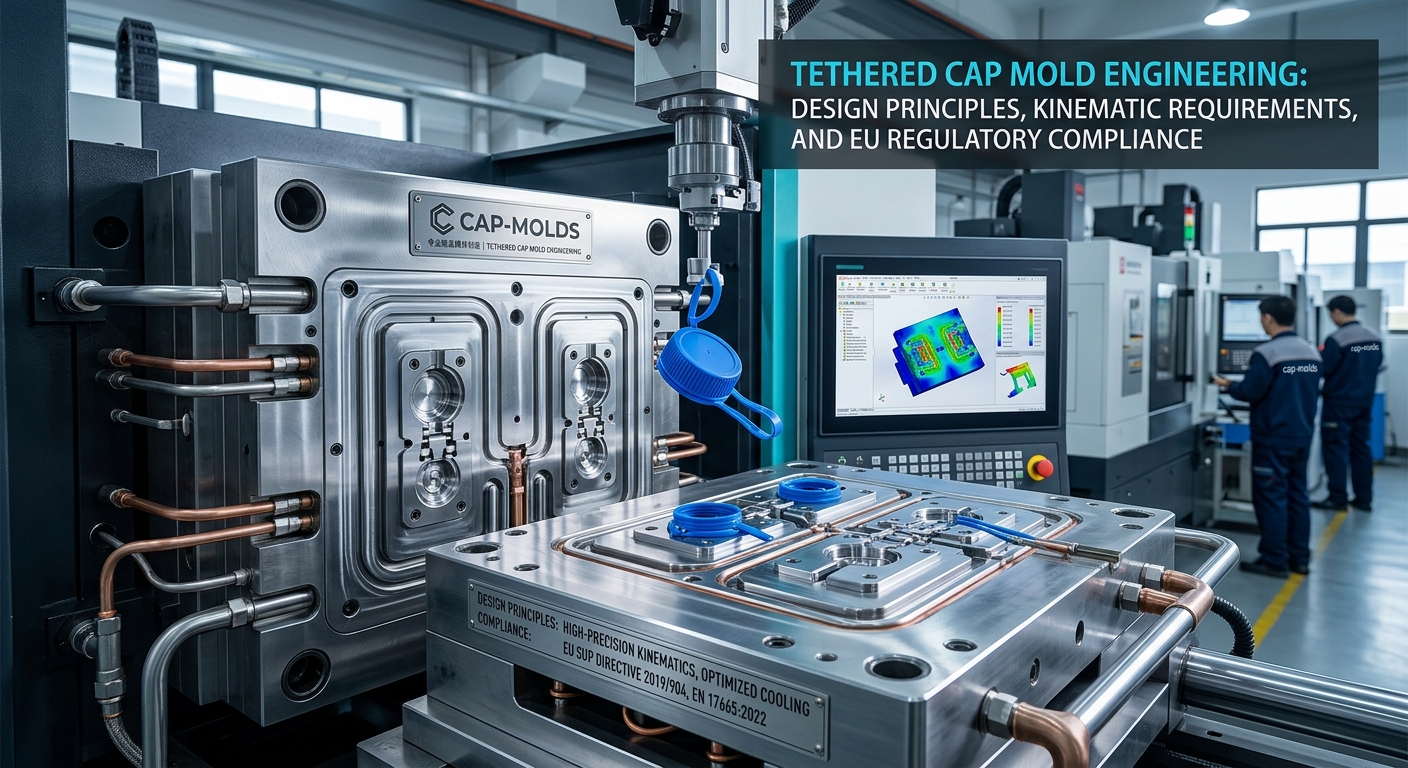
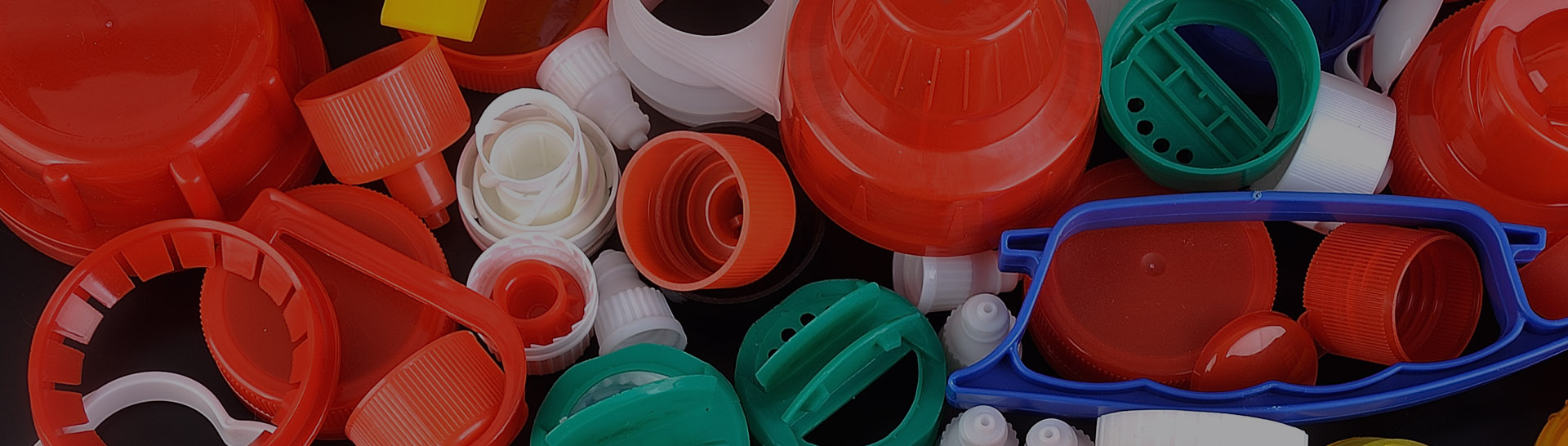
Shuanghao's Approach to Caps for Aseptic and Hot-Fill Applications
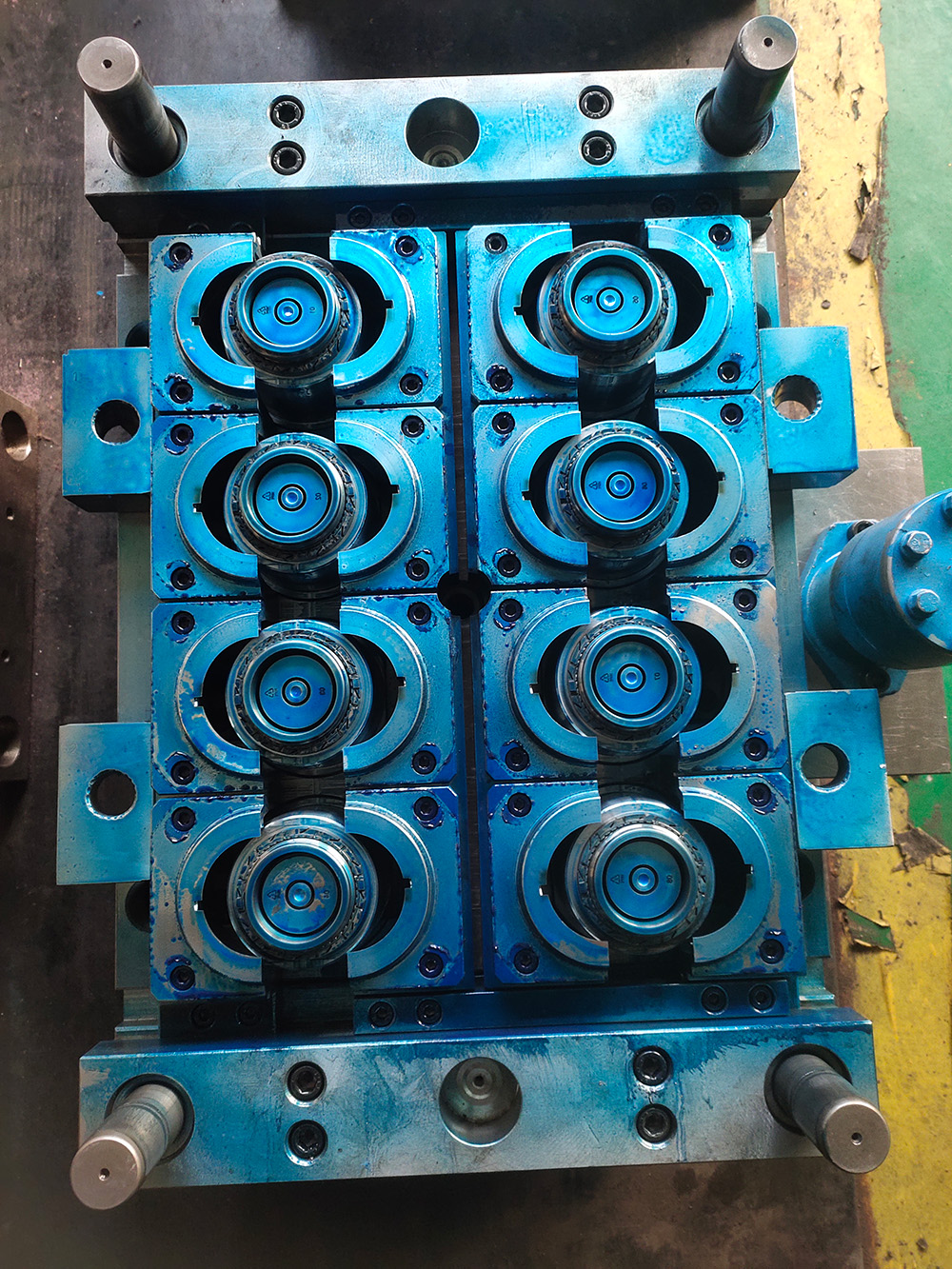
 Aseptic and hot-fill packaging represent the most demanding environments for bottle caps. Unlike standard caps that seal room-temperature products, these caps must withstand extreme conditions: high filling temperatures, sterilization processes, thermal shock, and prolonged heat exposure.
A hot-fill cap may be applied to a bottle filled at 85 to 95 degrees Celsius. An aseptic cap may be sterilized with hydrogen peroxide vapor or gamma radiation before filling. A retort cap may endure 121 degrees Celsius under pressure for 30 minutes or more.
Standard cap designs and materials fail under these conditions. Crystallization causes whitening and brittleness. Dimensional changes prevent proper sealing. Stress cracking leads to leakage. The cap that works perfectly for water at room temperature becomes a liability.
At Shuanghao, we have developed specialized mold solutions for aseptic and hot-fill applications. This article reveals our approach to engineering caps that perform reliably under extreme conditions.
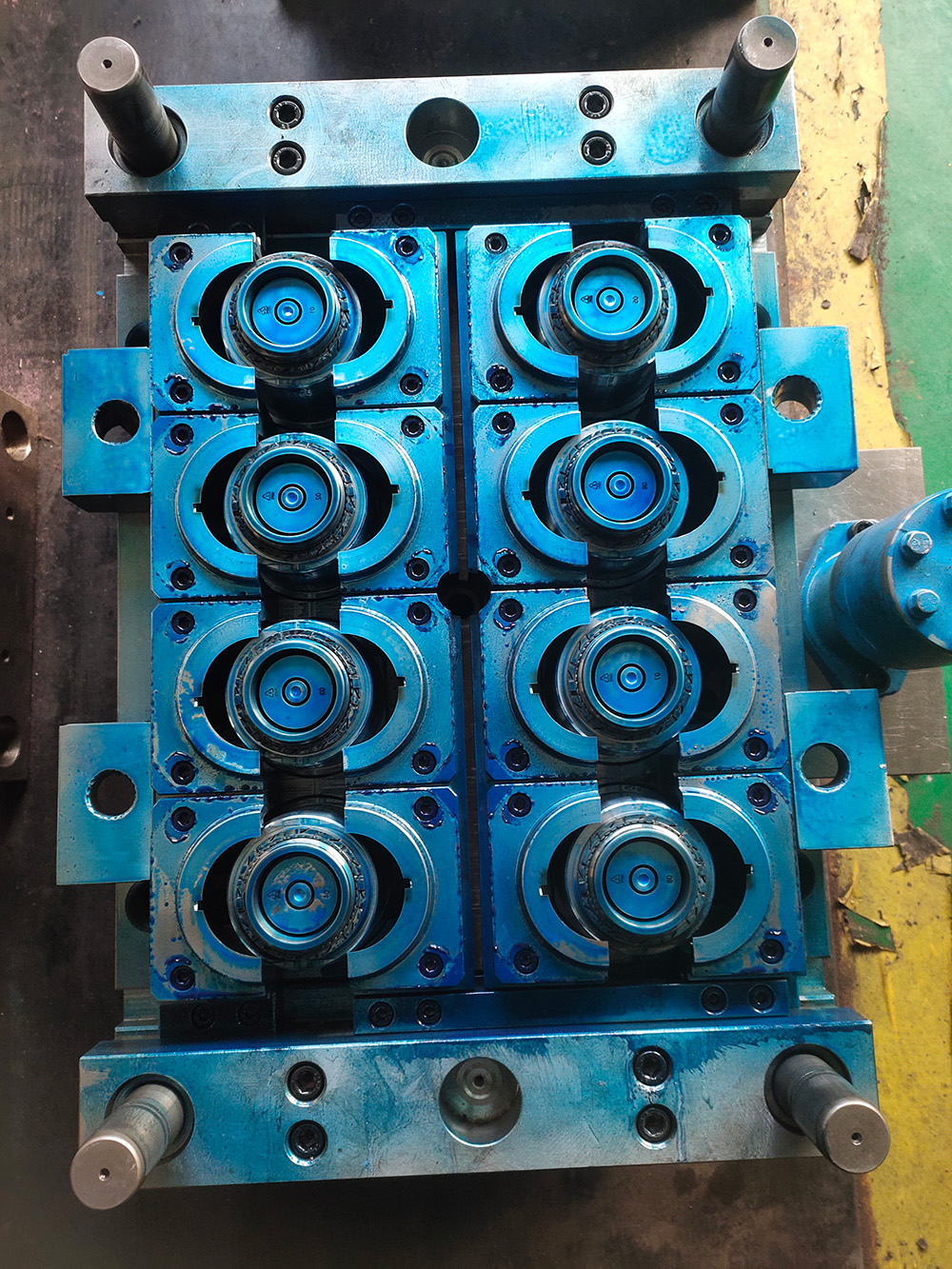
Understanding Aseptic and Hot-Fill Processes
Before discussing solutions, it is essential to understand what these processes require of caps.
Hot-Fill Process
In hot-fill processing, the product is heated to 85 to 95 degrees Celsius and filled into the bottle while hot. The cap is applied immediately. As the product cools, it creates a vacuum that pulls the cap tight against the bottle. This vacuum provides the primary seal.
The cap experiences high temperature during application, thermal shock as it cools, vacuum stress as the product contracts, and long-term storage at ambient or elevated temperatures.
Aseptic Process
In aseptic processing, the cap is sterilized separately from the filling environment. Sterilization methods include hydrogen peroxide vapor, electron beam radiation, gamma radiation, and steam. After sterilization, the cap is applied to the filled bottle in a sterile environment.
The cap experiences sterilization stress from chemical or radiation exposure, handling in sterile environments, and sealing at ambient or slightly elevated temperatures.
Retort Process
In retort processing, the filled and sealed container is heated under pressure to sterilize the contents. Typical retort conditions are 121 degrees Celsius for 15 to 45 minutes at elevated pressure.
The cap experiences extreme heat for extended periods, high pressure during processing, and thermal shock during cooling.
Key Requirements for Aseptic and Hot-Fill Caps
These demanding applications require specialized cap properties.
Dimensional Stability
The cap must maintain its dimensions despite heat exposure. Sealing surfaces must remain flat and round. Threads must retain their profile. The tamper-evident band must function correctly. Shrinkage, warpage, or creep cannot be tolerated.
Sealing Integrity
The cap must seal perfectly before, during, and after processing. The seal must withstand vacuum or pressure differentials. The cap must not leak during retort or storage. Post-process seal integrity must be maintained throughout shelf life.
Heat Resistance
The cap material must withstand filling temperatures without distorting. It must resist thermal degradation, crystallization, and embrittlement. It must maintain mechanical properties after heat exposure.
Sterilization Compatibility
For aseptic applications, the cap must resist chemical attack from hydrogen peroxide. It must withstand radiation exposure without degradation. It must be compatible with steam sterilization.
Material Selection for High-Temperature Applications
Material choice is the most critical decision for aseptic and hot-fill caps.
Polypropylene (PP) Grades
Standard polypropylene has a heat deflection temperature of approximately 100 degrees Celsius. For hot-fill applications at 85 to 95 degrees Celsius, standard PP may be marginal. Heat-stabilized PP grades withstand higher temperatures. Nucleated PP has faster crystallization and higher heat resistance. High-crystallinity PP provides the best heat resistance.
Shuanghao recommends heat-stabilized or high-crystallinity PP for hot-fill applications.
Polyethylene (PE) Grades
HDPE has relatively low heat resistance. It is generally not recommended for hot-fill above 80 degrees Celsius. It may be suitable for some aseptic applications depending on sterilization method.
Other Materials
Polyethylene terephthalate (PET) has good heat resistance but is less common for caps. It may be used for specialized applications.
Material Additives
Nucleating agents promote faster crystallization, improving heat resistance. Antioxidants prevent thermal degradation during processing and service. Acid scavengers neutralize degradation products. Slip agents may be adjusted for high-temperature applications.
Mold Design for Aseptic and Hot-Fill Caps
Mold design must account for the demanding requirements of high-temperature applications.
Shrinkage Compensation
High-temperature applications may have different shrinkage characteristics. Heat-stabilized materials may have different shrinkage rates. Shuanghao uses modified shrinkage compensation factors. Trial runs validate dimensional stability under process conditions.
Cooling System Design
Proper cooling is essential for dimensional stability. Shuanghao's conformal cooling ensures uniform heat extraction. Balanced cooling circuits prevent warpage that would compromise sealing. Post-mold cooling may be required to stabilize dimensions.
Stress Reduction
Residual stress is the enemy of dimensional stability at high temperature. Shuanghao minimizes residual stress through gate design, packing optimization, and uniform cooling. Low-stress mold designs produce caps that maintain dimensions under heat.
Sealing Surface Design
The sealing surface must be optimized for high-temperature applications. Shuanghao uses wider sealing surfaces for hot-fill to ensure reliable seal under vacuum. Sealing surface finish is critical.
Dimensional Stability Under Heat
Caps that are perfect at room temperature may fail when hot.
Testing Dimensional Stability
Shuanghao tests caps under simulated process conditions. Caps are heated to filling temperature and measured. Dimensional change is recorded. Caps are cooled and measured again. Permanent change indicates inadequate stability.
Compensation Strategies
If testing reveals dimensional change, Shuanghao adjusts cavity dimensions accordingly. The cavity may be oversized to compensate for shrinkage. Different compensation factors may be used for different features.
Post-Mold Shrinkage
High-temperature materials may continue to shrink after molding. Shuanghao measures caps at standardized intervals: immediately after molding, after 24 hours, and after 1 week. This data informs quality specifications.
Sealing Integrity Validation
Sealing must be validated under process conditions, not just at room temperature.
Vacuum Testing
For hot-fill caps, vacuum retention is essential. Shuanghao tests caps on filled bottles under hot-fill conditions. Vacuum is measured immediately after filling and after cooling. Vacuum retention over time validates seal integrity.
Leak Testing
Leak testing is performed under process conditions. Shuanghao uses pressure decay and vacuum decay methods. Testing at elevated temperature identifies seals that fail only when hot.
Torque Retention
Opening torque must remain consistent through processing. Shuanghao measures torque before and after heat exposure. Torque change indicates material relaxation or dimensional change.
Real-World Results: Shuanghao Aseptic and Hot-Fill Customers
Customer Case: Hot-Fill Juice Cap
A juice manufacturer needed a cap for 90-degree Celsius hot-fill. Standard caps were distorting, causing leakage.
Shuanghao selected a high-crystallinity PP grade. The mold was designed with enhanced cooling and stress-reducing gate geometry. Sealing surfaces were optimized for vacuum retention.
The cap withstood 90-degree Celsius filling without distortion. Vacuum retention exceeded 95 percent after cooling. The customer reported zero leakage complaints over 2 years of production.
Customer Case: Aseptic Dairy Cap
An aseptic dairy processor needed caps compatible with hydrogen peroxide sterilization. Standard caps were cracking after sterilization.
Shuanghao selected a peroxide-resistant PP grade. The mold was designed for minimal residual stress. Post-mold annealing was added to stabilize dimensions.
Caps passed hydrogen peroxide sterilization without cracking. Sterilization compatibility was validated through 100 production runs. The customer achieved regulatory approval for the new cap.
The Shuanghao Aseptic and Hot-Fill Advantage
Shuanghao's specialized approach to aseptic and hot-fill caps provides material selection guidance for heat-stabilized, high-crystallinity, and sterilization-compatible grades. Mold design optimized for dimensional stability with enhanced cooling and stress reduction. Shrinkage compensation tailored to high-temperature material behavior. Sealing integrity validation under simulated process conditions. Sterilization compatibility testing for peroxide, radiation, and steam methods.
Conclusion: Performance Under Pressure
Aseptic and hot-fill packaging places extraordinary demands on bottle caps. Standard materials and designs are not sufficient.
Shuanghao's specialized approach to aseptic and hot-fill caps delivers material selection for high-temperature and sterilization resistance, mold design optimized for dimensional stability under heat, shrinkage compensation tailored to application requirements, sealing integrity validated under process conditions, and quality assurance tested for real-world performance.
Whether you produce hot-fill juices, aseptic dairy products, retort-ready meals, or other high-temperature packaged goods, Shuanghao has the expertise to engineer caps that perform reliably under the most demanding conditions.
Choose Shuanghao. Choose performance under pressure.