Case Study: Custom Shampoo Flip-Top Cap Mold with In-Mold Automatic Flipping
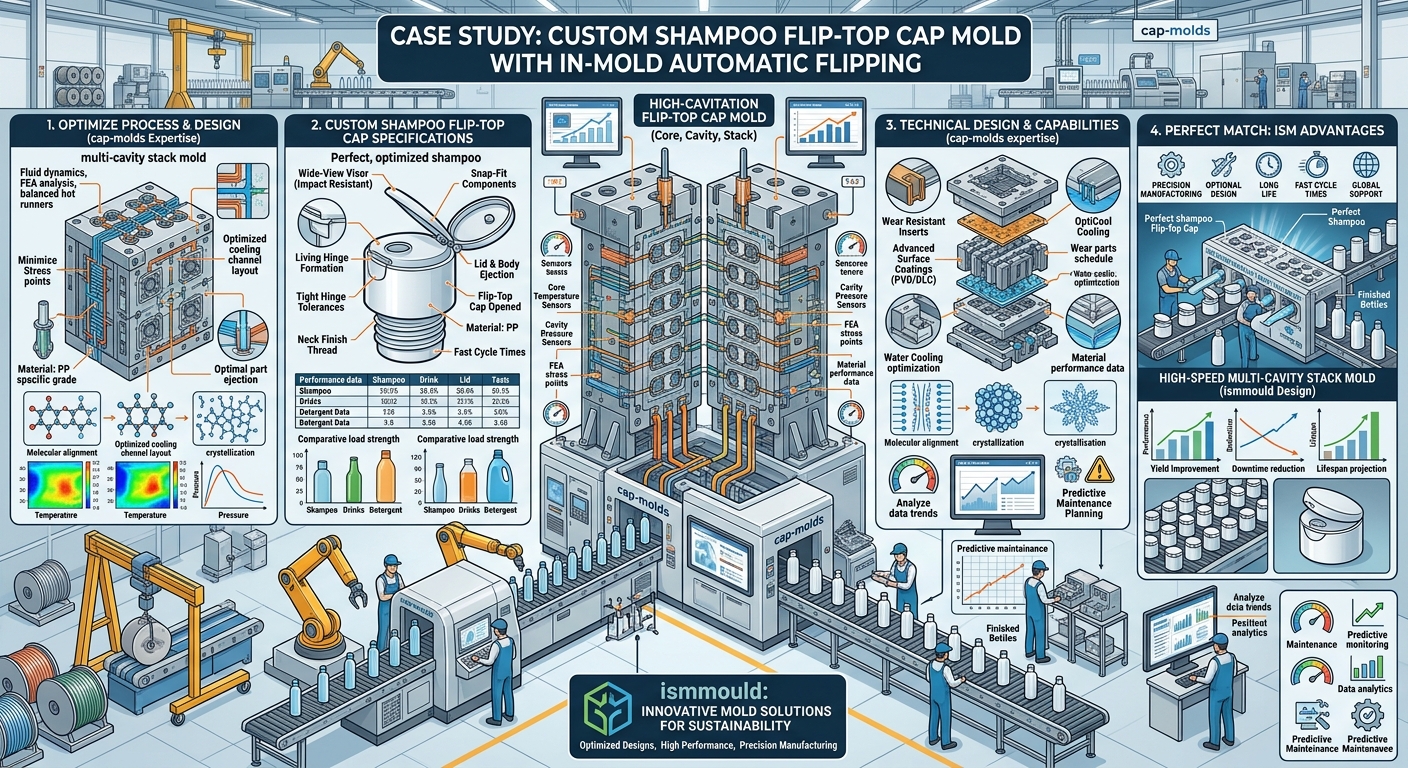
Case Study: Custom Shampoo Flip-Top Cap Mold with In-Mold Automatic Flipping
In the highly competitive personal care and cosmetic packaging sector, brand differentiation often depends on innovative closure design. Shampoo bottles, body wash containers, and lotion dispensers frequently utilize flip-top caps that feature distinct aesthetic styling and ergonomic functionality. However, manufacturing complex shampoo closures—especially those requiring the cap lid to be pre-closed or flipped into specific assembly orientations within the mold cycle—presents an advanced mechanical engineering challenge.
As a leading Chinese engineering and manufacturing expert in high-performance closure tooling, cap-molds delivers sophisticated, turnkey mold solutions equipped with innovative automated mechanics. In this technical case study, our engineering team breaks down how we designed and manufactured a custom shampoo flip-top cap mold featuring an advanced in-mold automatic flipping mechanism, eliminating post-molding secondary assembly and maximizing high-speed production efficiency.
1. Project Background and Manufacturing Challenges
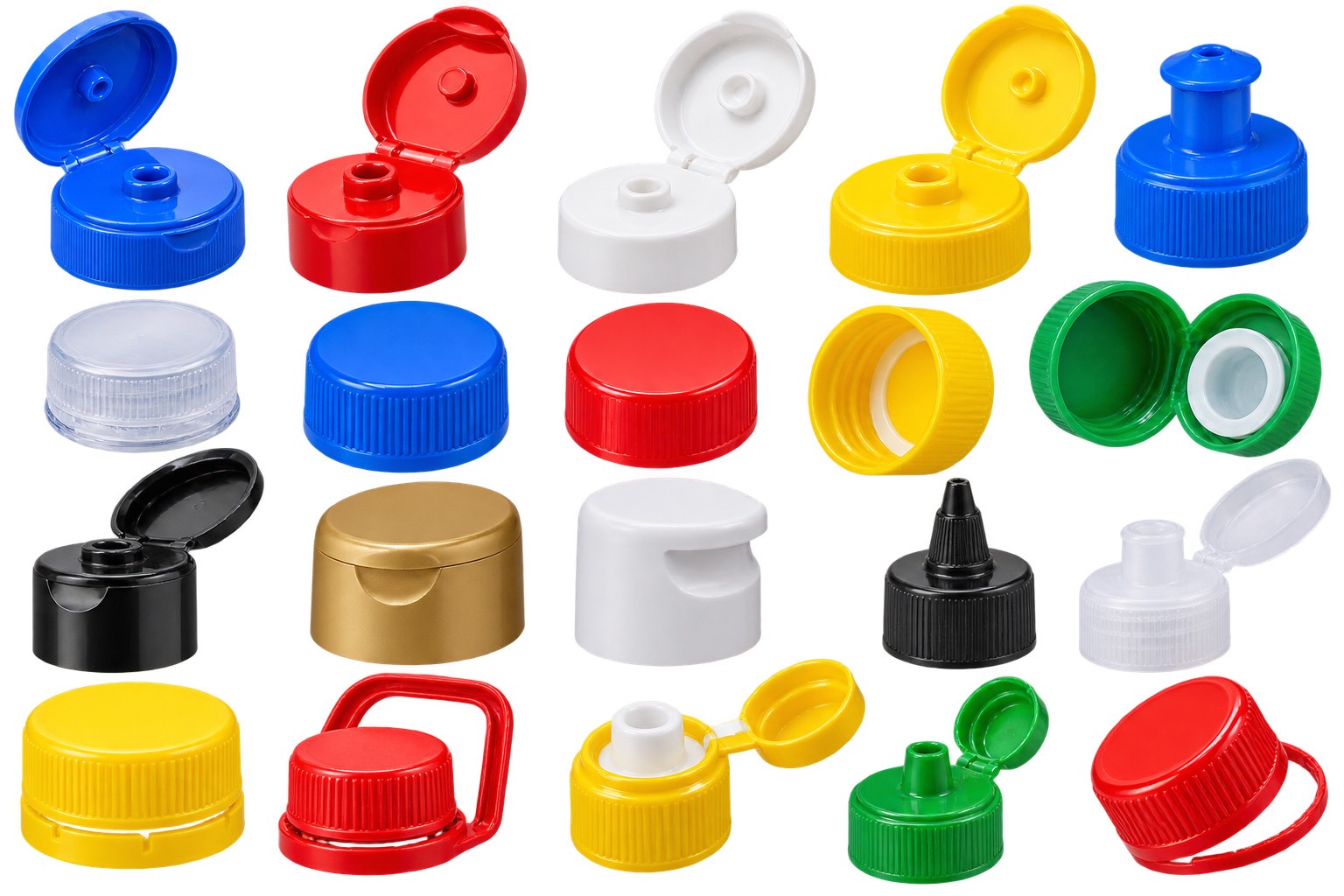
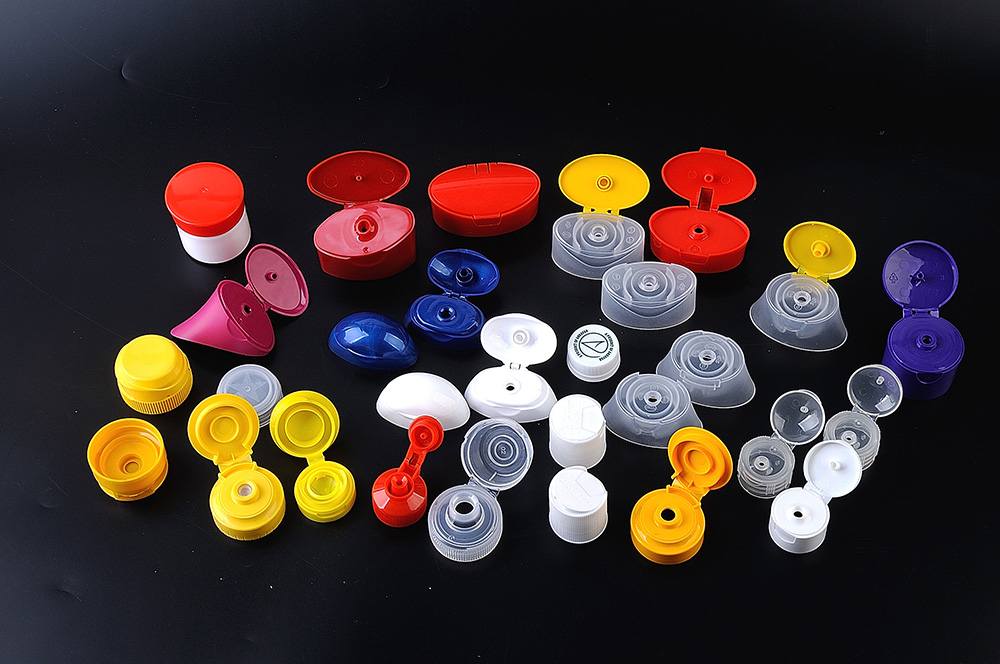
A global cosmetic packaging converter approached cap-molds with a demanding requirement: they needed a high-cavity mold for a premium shampoo flip-top cap that featured an asymmetric, ergonomic lid design. Conventionally, producing such caps requires the lid to be molded in the open position and subsequently closed via expensive post-mold robotic assembly machines or manual labor.
The client established three critical objectives for the new tooling project:
- In-Mold Closure Execution: The mold must automatically flip and snap the cap lid closed *inside* the tool before ejection, delivering finished, ready-to-pack closures straight off the machine.
- High-Speed OEE Maintenance: The incorporation of internal flipping kinematics must not compromise the aggressive 7-second cycle time required for mass-volume production.
- Flawless Living Hinge Integrity: The automated flipping action must close the delicate bow living hinge without causing stress whitening, tearing, or structural deformation.
2. Engineering the In-Mold Automatic Flipping Mechanism
To achieve seamless in-mold cap closing without disrupting the standard injection molding cycle, the engineering team at cap-molds designed a synchronized mechanical cam-and-slider architecture:
- Synchronized Kinematic Sliders: As the mold opens, precision-timed internal cams actuate mechanical folding fingers that gently push the freshly molded, still-warm cap lid along its flexible living hinge arc.
- Controlled Snap-Fit Engagement: The mechanism applies exact torque and angle velocity to seat the lid's plug seal securely into the dispensing orifice, ensuring a positive click-fit without damaging the snap-lock undercut.
- Anti-Jamming Safety Interlocks: Each cavity is equipped with micro-sensor clearances and mechanical alignment locks to prevent tool closure if a cap lid fails to seat properly during the flipping sequence.
3. Metallurgical Excellence and Thermal Management
Integrating complex moving parts and automated flipping lifters inside a multi-cavity mold requires superior material selection and elite machining accuracy:
- Vacuum-Hardened Swedish S136 Stainless Steel: All core inserts, cavities, and flipping lifters were manufactured from high-purity S136 stainless steel (HRC 48–52), offering exceptional resistance to mechanical wear and damp cooling corrosion.
- High-Precision CNC Machining: Built on elite Makino and Yasda CNC milling and boring centers, our mold components maintain micro-tolerances within ±0.005mm, guaranteeing backlash-free movement of all internal flipping cams.
- Conformal Cooling Integration: We incorporated optimized cooling channels and Beryllium Copper (BeCu) thermal inserts around the hinge zones to extract heat rapidly, preventing thermal warpage during the rapid closing phase.
4. Technical Performance Comparison: Standard Open-Cap Molding vs. In-Mold Flipping
| Evaluation Parameter | Standard Open-Cap Molding | cap-molds In-Mold Automatic Flipping Solution |
|---|---|---|
| Post-Molding Assembly Requirements | Requires secondary robotic folding or manual closing machines | Zero secondary assembly (Caps ejected fully closed) |
| Production Cycle Time | Slower total process due to off-line handling | Optimized ultra-fast cycle (Under 8 seconds) |
| Labor & Equipment Costs | High capital investment in downstream automation cells | Streamlined single-step manufacturing footprint |
| Overall Equipment Effectiveness (OEE) | Lower due to multi-station bottlenecks | High 95%+ OEE with continuous automated stability |
Partner with cap-molds for Custom Closure Innovations
Solving complex packaging challenges—such as in-mold automatic flipping and advanced hinge kinematics—requires deep engineering expertise and elite manufacturing capabilities. As a premier Chinese cap mold manufacturer, cap-molds combines decades of closure specialization with world-class toolmaking infrastructure to deliver turnkey mold solutions that elevate your product quality and production efficiency.
Looking to streamline your cosmetic packaging line with custom-engineered, automated closure molds? Contact the engineering experts at cap-molds today to request a comprehensive design review and custom technical proposal.
Keywords: shampoo cap mold, flip-top cap mold, in-mold automatic flipping cap, cosmetic closure mold, cap-molds, China cap mold manufacturer, custom bottle cap tooling, closure tooling expert, S136 mold steel, living hinge cap mold, automated cap closing mold, high cavitation cap tooling, precision injection mold engineering, plastic packaging mold design