Future Trends in Bottle Cap Mold Technology: Lightweighting, Tethered Caps, and Sustainability
Future Trends in Bottle Cap Mold Technology: Lightweighting, Tethered Caps, and Sustainability
Published by cap-molds Technical Engineering Team
Introduction: The Evolution of Sustainable Closure Manufacturing
The global packaging industry is undergoing a massive transformation driven by strict environmental regulations, extended producer responsibility (EPR) mandates, and corporate sustainability goals. As brand owners shift toward circular economies, the pressure falls directly on mold makers and tooling engineers to innovate. Bottle closures—once viewed as simple components—are now masterpieces of high-precision micro-engineering.
As an industry-leading closure tooling specialist, cap-molds is at the forefront of this evolution. This technical analysis explores the defining trends shaping the future of bottle cap mold manufacturing, focusing on advanced lightweighting, mandatory tethered cap designs, and next-generation sustainable engineering.
1. Lightweighting Without Compromising Structural Integrity
Material reduction remains the primary method for lowering carbon footprints and reducing resin costs in mass production. However, cutting weight from closures like PCO 1881 or 26/22 neck finishes introduces severe technical hurdles, such as warpage, incomplete filling, and compromised top-load strength.
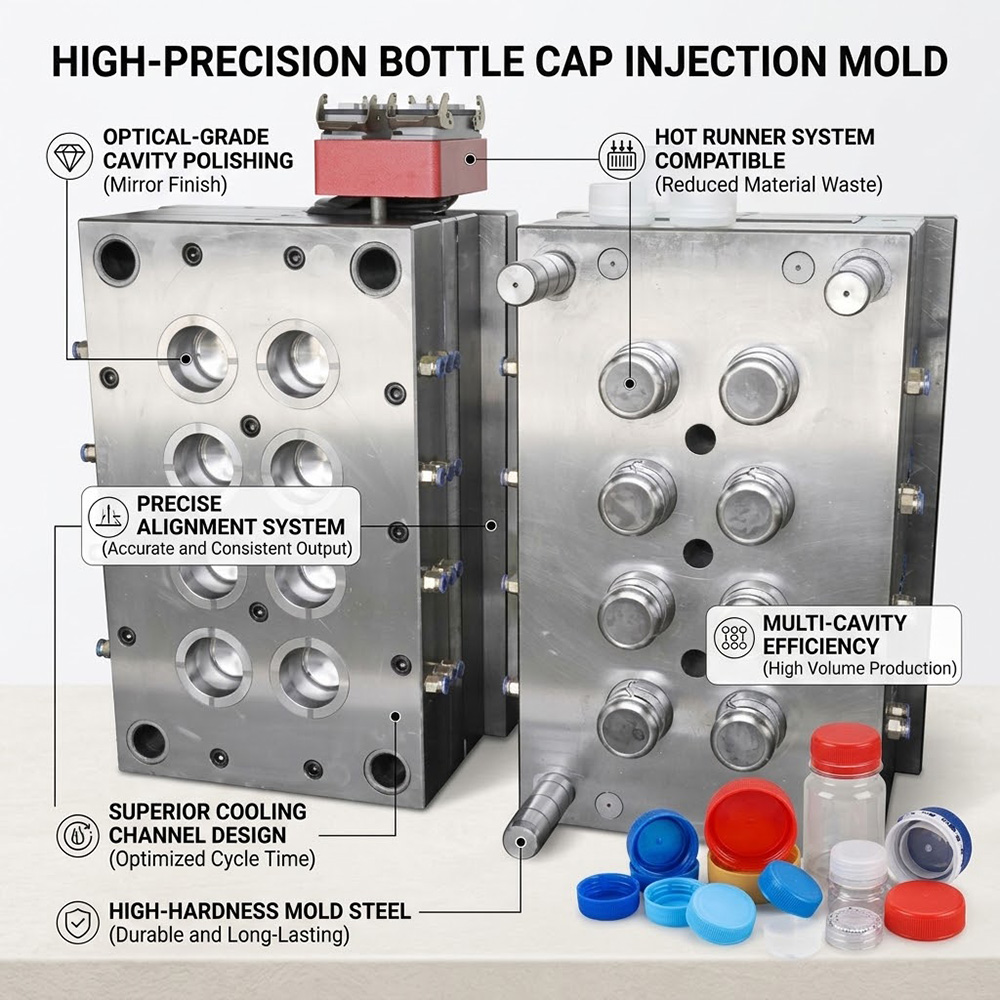
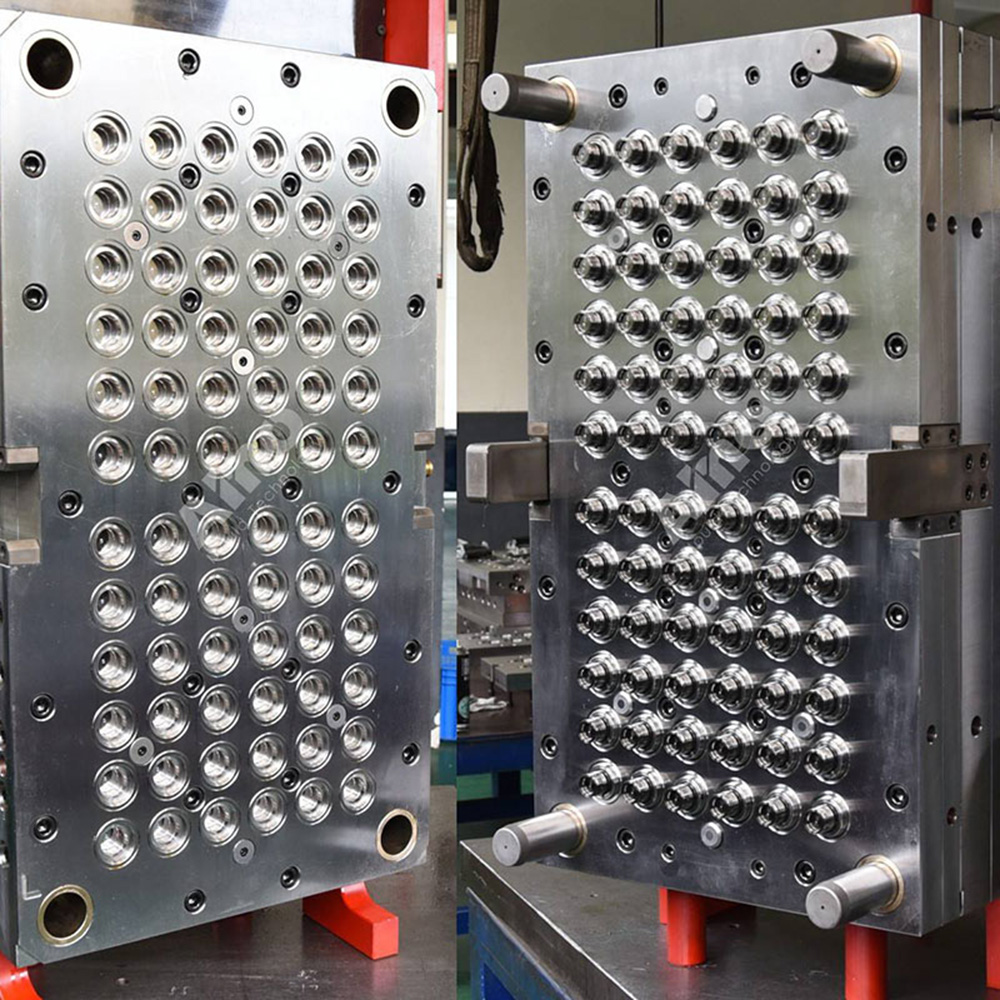
To overcome these challenges, cap-molds integrates advanced CAE (Computer-Aided Engineering) flow simulations and high-precision core-centering alignment mechanisms. By optimizing wall thickness distribution and maintaining strict dimensional stability across high-cavity layouts (such as 64-cavity and 96-cavity molds), we help clients achieve up to 15% resin weight reduction while ensuring tamper-evident band performance remains flawless.
2. The Regulatory Shift to Tethered Cap Molds
With environmental directives mandating that caps remain attached to beverage containers across global markets to prevent littering, mold architecture has fundamentally changed. Designing a tethered cap mold requires complex slider mechanisms, specialized hinge geometries, and precise demolding action to ensure the cap opens easily and stays attached during consumer use without tearing the retention band.
Our engineering team has developed specialized high-durability tooling solutions that seamlessly integrate tethered hinge features into existing high-speed production lines. This ensures zero disruption to cycle times while meeting stringent international compliance standards.
3. Smart Manufacturing and Eco-Friendly Tooling Integration
Sustainability in mold making extends beyond the final plastic part—it encompasses energy efficiency within the factory. Modern cap molds leverage Industry 4.0 innovations to optimize performance:
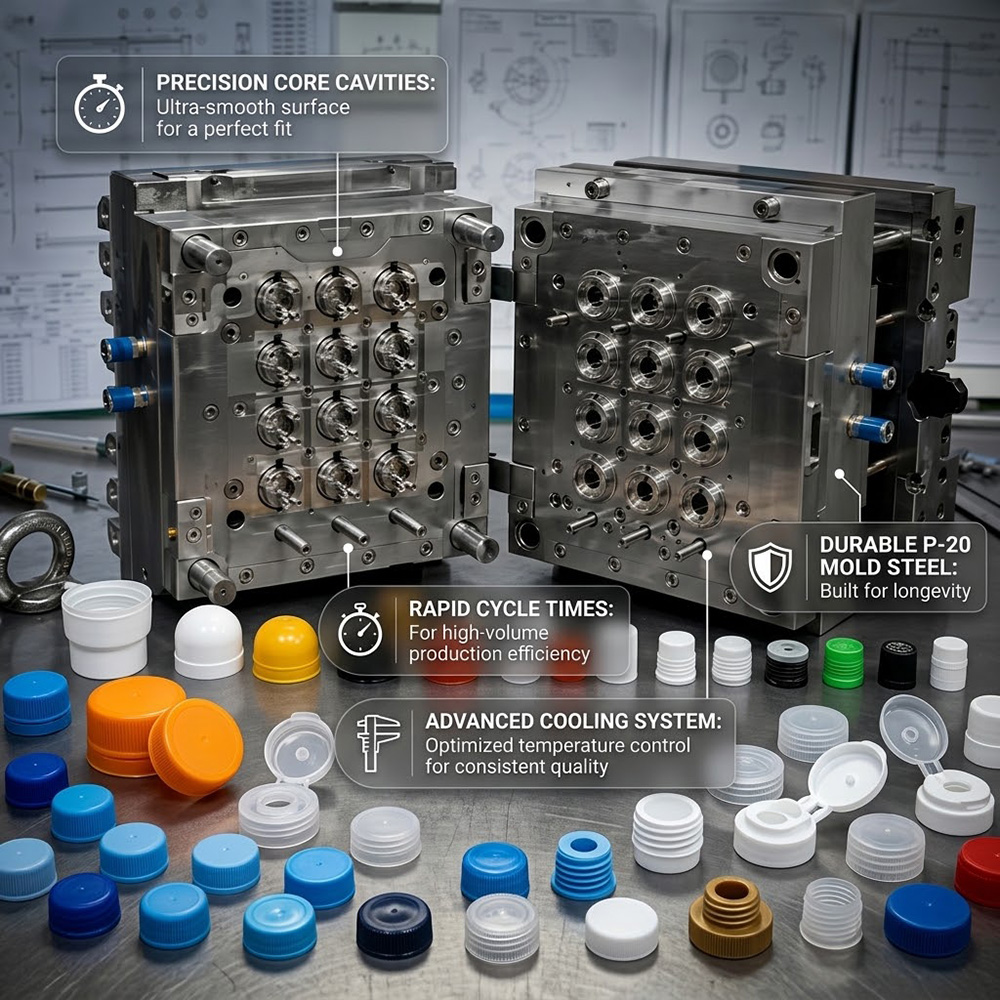
- Conformal Cooling Channels: Utilizing 3D printing technology to create cooling paths that wrap precisely around cavity contours, reducing cycle times by up to 25% and cutting energy consumption per million parts.
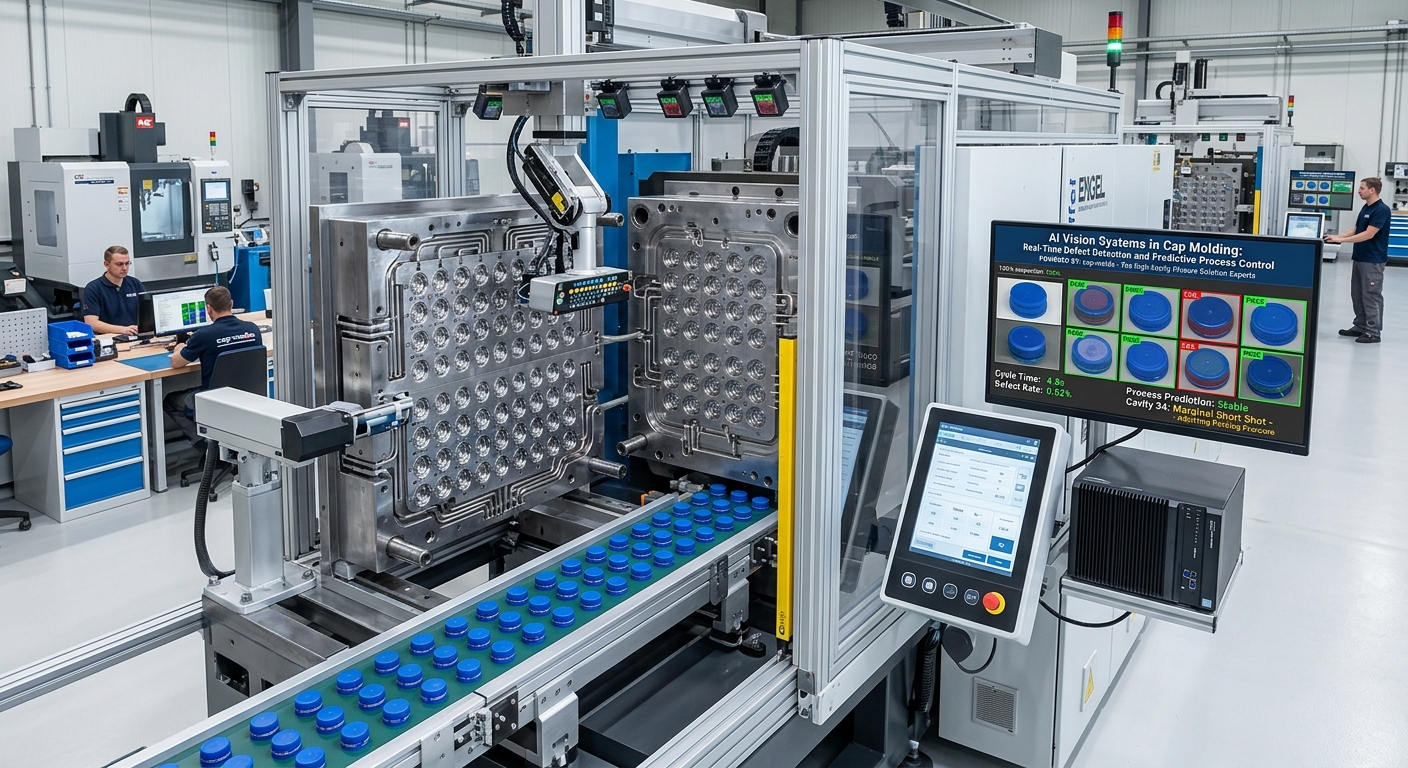
- In-Mold Pressure Telemetry: Real-time cavity monitoring prevents short shots and flashing, drastically reducing scrap rates and raw material waste.
- Superior Steel Metallurgy: Selecting premium corrosion-resistant stainless steels extends mold lifespan, minimizing frequent maintenance and replacement cycles.
Conclusion: Partner with cap-molds for Future-Proof Solutions
Navigating the complex landscape of sustainable packaging requires more than standard equipment—it demands an experienced engineering partner capable of translating regulatory shifts into production efficiency. cap-molds combines decades of tooling expertise with cutting-edge design capabilities to deliver reliable, high-ROI closure molds tailored for tomorrow's market.