
Venting Deep Ribs and Undercuts: Advanced Techniques for Complex Caps
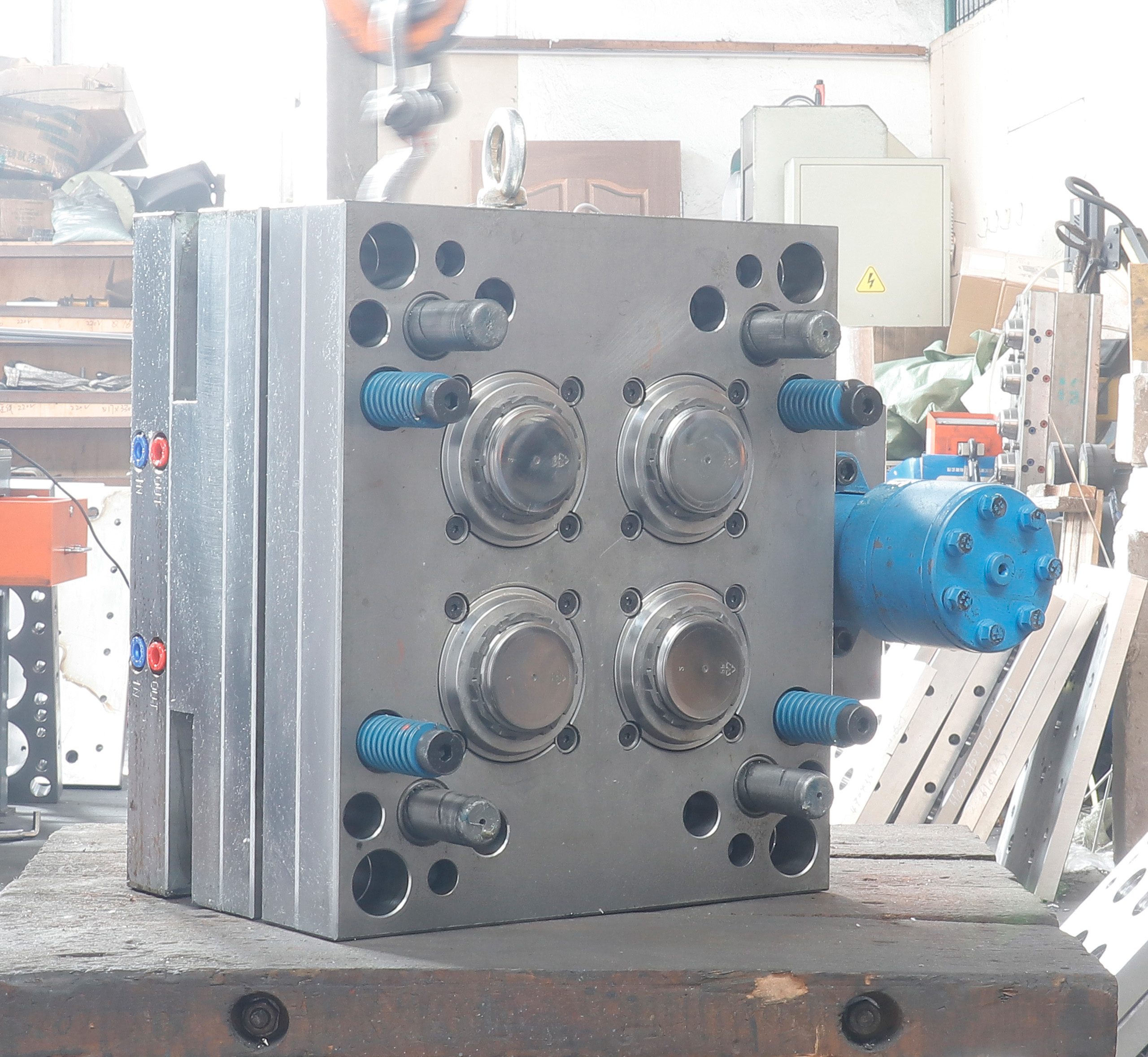
In injection molding, air is the invisible enemy. As molten plastic rushes into the cavity, the air trapped inside must escape. When it cannot, the consequences range from cosmetic defects to complete part failure.
For simple cap geometries, venting is straightforward. A few vents at the parting line are usually sufficient. But for complex caps with deep ribs, undercuts, and intricate features, standard venting is not enough. Air becomes trapped in blind cavities, creating burn marks, short shots, and weld lines.
At Shuanghao, we have developed advanced venting techniques specifically for complex cap geometries. This article reveals those techniques and how they enable production of defect-free caps with deep ribs, undercuts, and other challenging features.
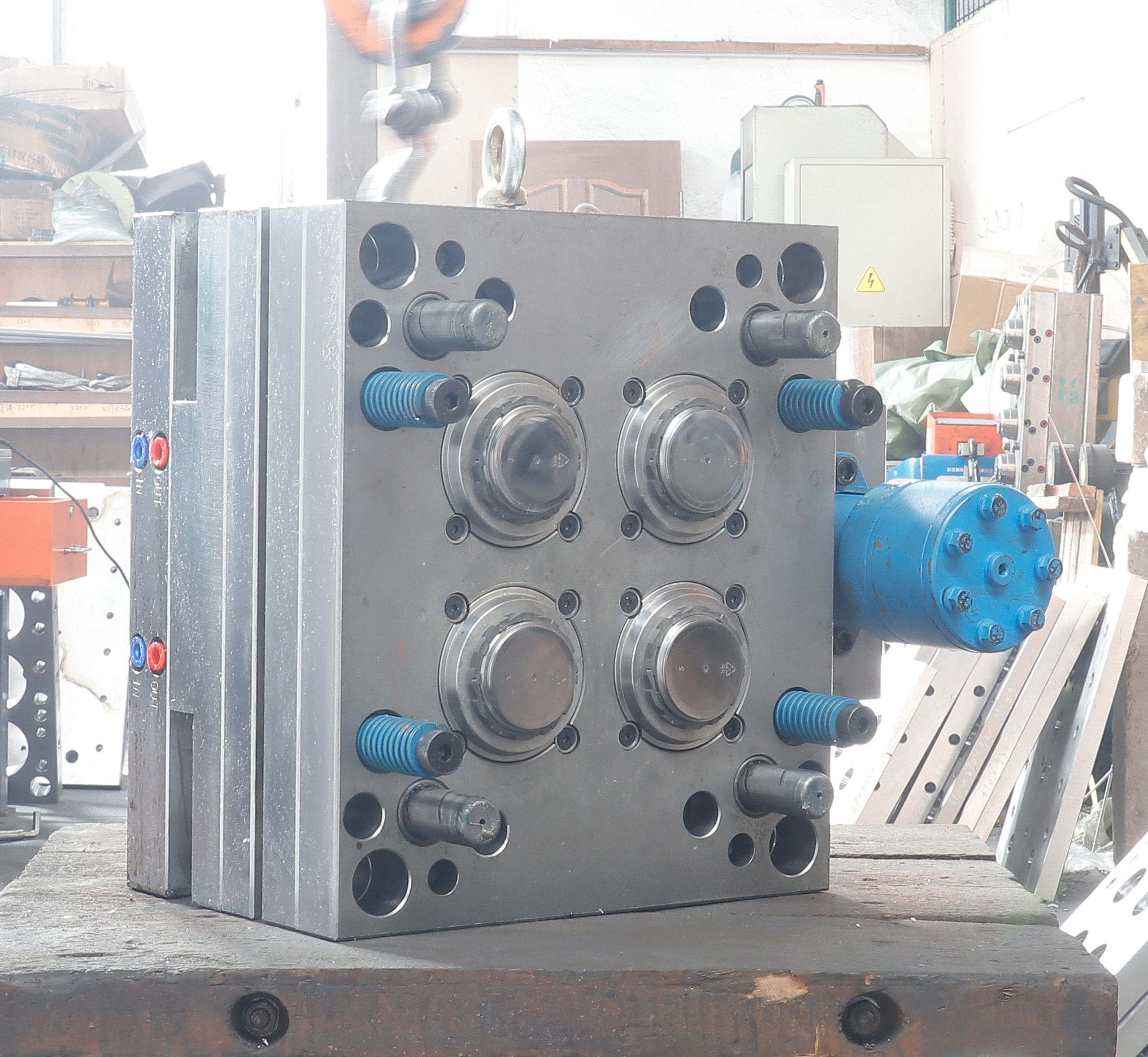
The Venting Challenge in Complex Caps
Before discussing solutions, it is essential to understand why complex caps create venting challenges.
Where Air Traps Occur
Deep ribs are vertical walls extending from the cap surface. Air becomes trapped at the bottom of the rib cavity, farthest from the parting line.
Undercuts are recessed features that require slides or lifters. Air becomes trapped in the undercut cavity, which may have no direct path to the parting line.
Thin-walled sections fill quickly, trapping air in thicker adjacent areas.
Complex geometries with multiple flow paths create converging melt fronts that trap air in the intersection.
Consequences of Poor Venting
Burn marks appear as black or dark streaks where trapped air is compressed and heated to ignition temperature. Burn marks are cosmetic defects that may also weaken the cap.
Short shots occur when trapped air prevents complete cavity filling, leaving unfilled sections in ribs or undercuts.
Weld lines form where melt fronts meet around trapped air bubbles, creating weak points that may fail under stress.
Surface defects include splay, blisters, and dull finishes caused by trapped gases.
Standard Venting vs. Advanced Venting
Standard venting places shallow channels at the mold parting line. Air escapes between the cavity and core plates as the mold closes.
For simple caps, this is sufficient. The parting line surrounds the entire cavity, allowing air from all areas to escape.
For complex caps, parting line vents are not enough. Air trapped in deep ribs has no path to the parting line. Air in undercuts is isolated by the slide mechanism. Air in blind cavities is completely surrounded by steel.
Advanced venting creates escape paths from these trapped areas directly to the atmosphere.
Venting Deep Ribs
Deep ribs are among the most challenging features to vent.
Why Ribs Trap Air
A rib cavity is a narrow, deep slot cut into the cavity or core. Molten plastic flows from the cap surface down into the rib. Air at the bottom of the rib has no path to escape because the rib opening is blocked by incoming plastic.
The deeper the rib, the more air is trapped. The narrower the rib, the harder it is for air to escape past the advancing melt front.
Shuanghao's Rib Venting Solutions
Pin venting is Shuanghao's primary solution for deep ribs. A small vent pin is placed at the bottom of the rib cavity. The vent pin has a flat surface with a shallow vent channel, typically 0.02 to 0.03 millimeters deep. The vent pin is spring-loaded or air-actuated.
The vent pin remains closed during filling. Air escapes through the vent channel. At the end of fill, the vent pin advances to shut off the vent. Plastic does not enter the vent channel because of its shallow depth.
Pin venting is effective for ribs up to 10 times deeper than their width.
Insert venting uses a separate vent insert at the rib bottom. This is suitable for ribs that are accessible from the back of the mold plate. Vent inserts are easier to maintain than pin vents. They are ideal for ribs that require frequent cleaning.
Laminated venting uses stacked thin plates to create vent channels at the rib bottom. This provides very high venting capacity. Laminated vents are suitable for very deep or multiple adjacent ribs. They require careful manufacturing to maintain vent depth consistency.
Venting Undercuts
Undercuts present a different venting challenge. The slide or lifter that creates the undercut often blocks the vent path.
Why Undercuts Trap Air
An undercut feature is formed by a moving slide or lifter. During filling, the slide is in its forward position, creating the undercut cavity. The slide is surrounded by steel on multiple sides, leaving no path for air to escape. Air trapped in the undercut cavity has nowhere to go.
Shuanghao's Undercut Venting Solutions
Slide venting uses vent channels machined into the slide body. Shuanghao designs slides with vent paths from the undercut cavity to the atmosphere. Vent depths are controlled to prevent plastic penetration. Vent channels are positioned to avoid interference with slide movement.
Lifter venting uses similar principles for lifter-operated undercuts. Vent channels are machined into the lifter body. The vent path must accommodate lifter movement during ejection.
Combination venting uses pin vents in addition to slide vents for critical undercuts.
Venting Multi-Cavity Molds
Complex caps in multi-cavity molds multiply the venting challenge.
Cavity-to-Cavity Consistency
Every cavity must have identical venting. Shuanghao uses identical vent designs for all cavities. Vent dimensions are verified for every cavity. Vent positions are consistent across the mold plate.
Vent Maintenance Access
Multi-cavity molds require vent cleaning access. Shuanghao positions vents for easy access without mold disassembly. Pin vents are accessible from the mold exterior, allowing cleaning without mold removal. Insert vents can be removed individually for cleaning.
Vent Depth Optimization
Vent depth is critical. Too deep, and plastic flashes into the vent. Too shallow, and air cannot escape.
Depth Guidelines
For polypropylene caps, Shuanghao recommends primary vent depths of 0.03 to 0.05 millimeters at the parting line. Secondary vent depths of 0.02 to 0.03 millimeters are recommended for pin vents and insert vents. Micro vents of 0.01 to 0.02 millimeters are for sealing surfaces and aesthetic areas.
Material Considerations
Different materials require different vent depths. Polypropylene with MFI of 10 to 20 requires vents at the shallow end of the range. Polypropylene with MFI above 20 requires even shallower vents. HDPE can tolerate slightly deeper vents. Filled materials may require deeper vents due to higher viscosity.
Vent Length
Vent channels should be as short as possible. Shuanghao designs vents with vent land lengths of 1 to 2 millimeters. After the vent land, a relief channel of 0.5 to 1.0 millimeters depth provides unrestricted air flow.
Self-Cleaning Vent Designs
Vent clogging is a common maintenance issue. Shuanghao's self-cleaning vent designs reduce cleaning frequency.
Vented Ejector Pins
Ejector pins can serve double duty as vents. A small flat is ground on the ejector pin, typically 0.02 to 0.03 millimeters deep. The flat creates a vent channel. Each ejection cycle wipes the pin clean. This self-cleaning action maintains vent performance.
Vented Slides
Vented slides use the sliding motion to clean vent channels. Vents are positioned where slide movement creates wiping action. This is particularly effective for undercut venting.
Accessible Vents
Even with self-cleaning designs, periodic cleaning is required. Shuanghao positions vents for easy access. External vent plugs can be removed without mold disassembly. Vent channels are visible for inspection.
Troubleshooting Venting Problems
Problem: Burn Marks at Rib Bottoms
Burn marks indicate trapped air in rib cavities. Solutions include adding pin vents at rib bottoms, increasing vent depth within material limits, verifying vent channels are not clogged, and reducing injection speed in the rib filling zone.
Problem: Short Shots in Undercuts
Short shots indicate trapped air in undercut cavities. Solutions include adding vent channels to slide or lifter bodies, verifying vent paths are open, increasing injection pressure moderately, and adjusting fill speed profile.
Problem: Flash at Vent Locations
Flash indicates vents are too deep. Solutions include reducing vent depth, verifying mold closure force, checking for mold damage around vents, and adjusting injection pressure.
Problem: Inconsistent Quality Across Cavities
Venting variation between cavities causes inconsistent quality. Solutions include verifying vent dimensions cavity to cavity, checking for clogged vents in specific cavities, inspecting for mold damage around vents, and confirming identical vent designs.
Real-World Results: Shuanghao Venting Solutions
Customer Case: Deep Rib Cap for Industrial Application
An industrial cap required 8-millimeter deep ribs for structural strength. Standard parting line vents resulted in burn marks at all rib bottoms. Short shots occurred in 15 percent of ribs.
Shuanghao designed pin vents at each rib bottom. Vent depth was optimized at 0.04 millimeters. Relief channels provided unrestricted air flow.
Burn marks were eliminated completely. Short shots dropped to 0.3 percent. The mold achieved cycle times of 8 seconds with no vent-related defects.
Customer Case: Undercut Cap for Beverage Application
A sports cap required complex undercuts for the flip-top hinge mechanism. Burn marks and short shots were occurring at the undercut locations.
Shuanghao added vent channels to the slide bodies creating the undercuts. Vented ejector pins provided additional venting capacity. Vent depths were verified for every cavity.
Burn marks and short shots were eliminated. The mold passed 1 million cycles with no vent-related maintenance.
The Shuanghao Venting Advantage
Shuanghao's advanced venting techniques deliver pin venting for deep ribs with spring-loaded or air-actuated vent pins. Insert venting for accessible rib locations with removable vent inserts. Slide venting for undercuts with vent channels machined into slide bodies. Lifter venting for lifter-operated undercuts with integrated vent paths. Self-cleaning designs including vented ejector pins and slides for reduced maintenance. Cavity-to-cavity consistency with identical vent designs verified for every cavity.
Conclusion: Venting as a Design Discipline
Venting deep ribs and undercuts is not an afterthought. It requires engineering discipline, specialized techniques, and precision manufacturing.
Shuanghao's advanced venting solutions enable production of complex caps that would be impossible with standard venting methods. Whether you need deep ribs for structural strength, undercuts for flip-top hinges, or intricate features for brand differentiation, Shuanghao has the venting expertise to deliver defect-free caps.
Choose Shuanghao. Choose advanced venting. Choose complex cap capability.