Shuanghao's Guide to Mold Texture Selection for Cap Aesthetics
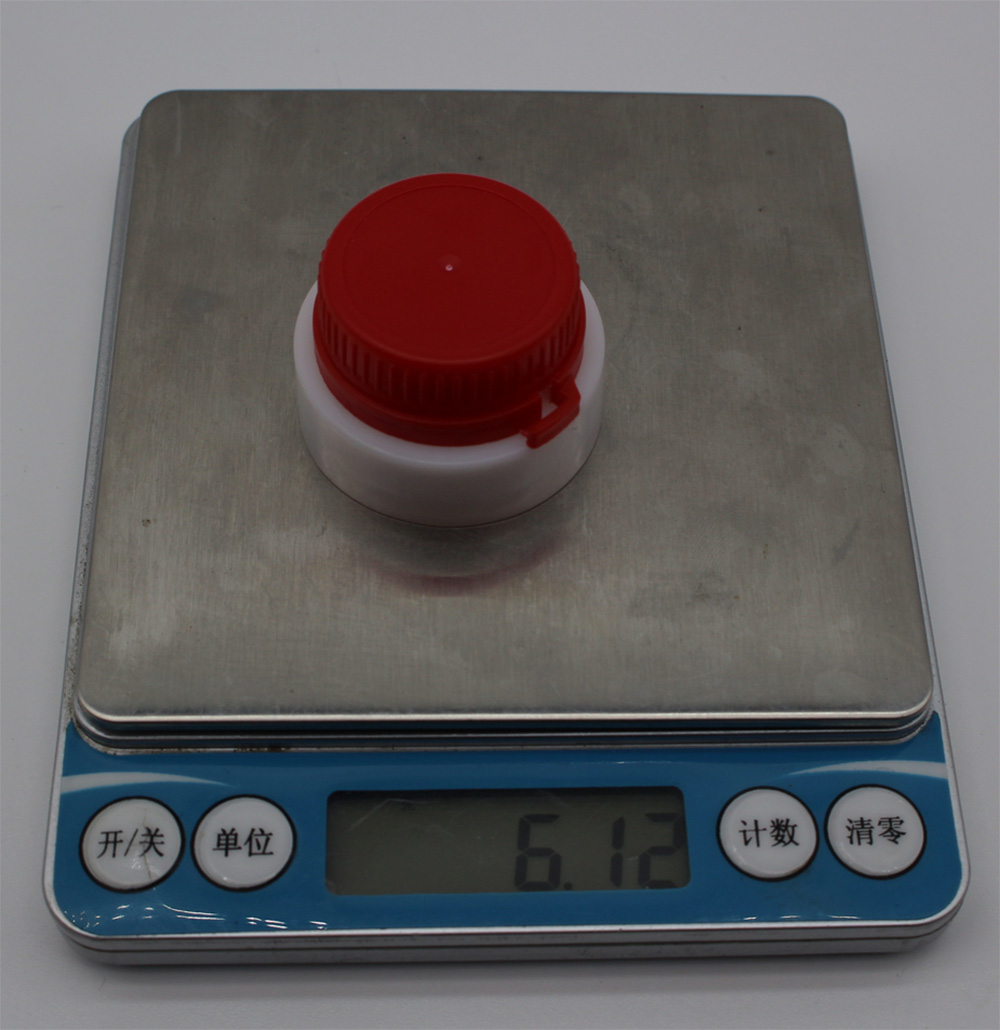
The surface of a bottle cap is the first thing consumers see and touch. Before they read the label, before they taste the product, they see the cap. Its appearance communicates quality. Its feel conveys value. Its finish builds brand perception.
A high-gloss mirror finish suggests premium luxury. A subtle matte finish conveys modern sophistication. A fine texture provides grip and signals functionality. A deep texture creates distinctive brand identity.
Mold texture selection is not merely a cosmetic decision. It affects manufacturing cost, ejection performance, scratch resistance, and even sealing integrity.
At Shuanghao, we help customers select the optimal mold texture for their specific application. This guide explains the options, trade-offs, and best practices for achieving the desired cap aesthetics.
Understanding Mold Texture
Before discussing selection criteria, it is essential to understand what mold texture is and how it is created.
What Is Mold Texture?
Mold texture refers to the surface finish of the mold cavity that is transferred to the cap during molding. The texture can range from a mirror-like polished surface to a coarse, patterned finish. The cap replicates the mold surface exactly—every scratch, every polish line, every textured pattern.
How Texture Is Measured
Surface finish is quantified using several parameters. Ra (Roughness Average) is the average deviation from the mean surface, measured in micrometers. Rz is the average maximum height of profile peaks and valleys. SPI (Society of the Plastics Industry) standards define common finish levels for molded parts. VDI (Verein Deutscher Ingenieure) standards define textured finishes commonly used in automotive and consumer products.
Texture Types and Their Effects
Shuanghao offers a range of texture options for cap applications.
High-Gloss Polished Finish (SPI A1-A3)
Ra values range from 0.012 to 0.025 micrometers for A1 (diamond buff), 0.025 to 0.05 micrometers for A2 (paper buff), and 0.05 to 0.10 micrometers for A3 (stone polish). These finishes create mirror-like cap surfaces with exceptional reflectivity.
High-gloss finishes are ideal for premium cosmetic caps, luxury beverage closures, and any application where visual appeal drives purchasing decisions. They provide a smooth, slick feel. They make colors appear more vibrant and saturated.
However, high-gloss finishes show every scratch, fingerprint, and defect. They require the highest manufacturing cost. They may increase ejection force due to surface adhesion.
Fine Matte Finish (SPI B1-B3)
Ra values range from 0.10 to 0.25 micrometers for B1 (600 grit paper), 0.25 to 0.50 micrometers for B2 (400 grit), and 0.50 to 0.80 micrometers for B3 (320 grit). These finishes create low-reflectivity, smooth but not shiny surfaces.
Fine matte finishes are ideal for modern, minimalist packaging designs, caps where fingerprints would be undesirable, and applications requiring a soft, premium tactile feel.
They hide minor surface imperfections and fingerprints. They provide a professional, understated appearance. They are less expensive to produce than high-gloss finishes. However, they do not have the high-impact visual appeal of gloss.
Standard Industrial Finish (SPI C1-C3)
Ra values range from 0.80 to 1.60 micrometers for C1 (600 stone), 1.60 to 3.20 micrometers for C2 (400 stone), and 3.20 to 6.30 micrometers for C3 (320 stone). These finishes are functional rather than decorative.
Standard industrial finishes are ideal for industrial caps, caps that will be painted or decorated after molding, and applications where cost is prioritized over appearance.
They are the lowest cost to produce, hide most surface defects, and provide good release properties. However, they have minimal visual appeal.
VDI Textured Finishes
VDI 12 to VDI 15 (fine texture) is suitable for subtle grip patterns. VDI 18 to VDI 24 (medium texture) is suitable for visible texture with good grip. VDI 27 to VDI 33 (coarse texture) is suitable for aggressive grip and distinctive appearance. VDI 36 to VDI 45 (very coarse) is suitable for industrial or heavy-grip applications.
Textured finishes are ideal for sports caps requiring grip, caps for elderly users needing easier opening, brand-differentiating designs, and hiding surface defects.
They provide excellent grip, hide scratches and defects very well, and create distinctive brand identity. However, they are more expensive to produce than matte finishes. They may trap dirt or residue, and deep textures can affect ejection.
Factors Influencing Texture Selection
Selecting the right texture requires balancing multiple factors.
Visual Appeal
Consider the brand positioning. Luxury brands demand high-gloss or fine matte finishes. Mass-market brands may use standard industrial finishes. Consider the product category: cosmetics require premium finishes, industrial chemicals do not. Consider the packaging context: shelf presence matters.
Tactile Feel
Consider how the consumer will interact with the cap. High-gloss feels smooth and slick. Matte feels soft and dry. Texture provides grip and may feel more substantial. The feel should match the brand promise.
Functional Requirements
Texture affects grip. More texture provides better grip, which is important for sports caps or elderly users. Texture affects sealing: sealing surfaces must be smooth (no texture). Texture affects cleaning: deep textures can trap residue.
Manufacturing Cost
High-gloss finishes require the most expensive mold manufacturing, including diamond polishing and multiple progressive grits. Fine matte finishes are moderately expensive, requiring paper or stone finishing. Standard industrial finishes are lowest cost, requiring only stone finishing. Textured finishes require EDM or chemical etching, with cost increasing with texture depth.
Ejection Performance
Smoother finishes eject more easily than textured finishes. Deep textures increase ejection force. This may require larger ejector pins, air ejection, or increased draft angles.
Texture by Cap Application
Premium Cosmetic Caps
For high-end skincare, fragrance, and cosmetic closures, Shuanghao recommends high-gloss polished finish (SPI A1-A2) for mirror-like luxury appearance, or fine matte finish (SPI B1) for modern, understated elegance. Sealing surfaces must be SPI A1 to ensure seal integrity.
Beverage Caps
For water, CSD, and sports drink caps, Shuanghao recommends fine matte finish (SPI B2) for standard beverage caps, or VDI 18-24 texture for sports caps requiring grip. The top surface may be textured, but sealing surfaces must be smooth.
Pharmaceutical Caps
For prescription and OTC medication caps, Shuanghao recommends fine matte finish (SPI B2) for clean, professional appearance. Sealing surfaces require SPI A1-A2 for reliable sealing. Child-resistant features may require specific textures for grip.
Food Caps
For condiments, sauces, and jar closures, Shuanghao recommends standard industrial finish (SPI C1) for cost-effective production, or fine matte finish (SPI B2) for branded products.
Industrial Caps
For chemical, lubricant, and bulk containers, Shuanghao recommends standard industrial finish (SPI C2-C3) for maximum cost efficiency, or VDI 27-33 for heavy-grip applications.
Manufacturing Methods for Mold Texture
Different texture types require different manufacturing methods.
Polishing (High-Gloss)
Diamond polishing uses progressively finer diamond abrasives to achieve mirror finishes. Paper polishing uses abrasive paper for fine matte finishes. Stone polishing uses abrasive stones for standard industrial finishes.
Shuanghao's polishing technicians have decades of experience achieving precise finish levels.
EDM Texturing
Electrical discharge machining creates texture through controlled electrical erosion. EDM is used for VDI textures and custom patterns. It produces durable, repeatable textures.
Shuanghao uses specialized EDM generators for consistent texture application.
Chemical Etching
Chemical etching uses acids to create controlled surface erosion. It produces uniform textures across complex geometries. It is ideal for large molds with many cavities. It can replicate natural patterns such as leather or wood grain.
Laser Texturing
Laser texturing uses focused laser beams to create precise surface features. It produces custom patterns and logos with high accuracy. It allows digital control of texture parameters. It is ideal for brand elements and decorative patterns.
Texture Consistency Across Cavities
For multi-cavity molds, texture consistency is essential.
Cavity-to-Cavity Variation
Every cavity must have identical surface texture. Shuanghao uses identical finishing processes for all cavities. Processing parameters are documented and controlled. Sample cavities are inspected before full production.
Inspection Methods
Surface texture is verified using contact profilometers that measure Ra and other parameters. Optical comparators provide visual comparison to texture standards. Replica materials allow texture measurement of internal surfaces.
Common Texture Defects and Solutions
Problem: Inconsistent Gloss Across Cavities
Inconsistent gloss indicates texture variation. Solutions include verifying finishing processes are identical for all cavities, checking for EDM parameter variation, inspecting for polishing media contamination, and requalifying cavities with gloss measurement.
Problem: Texture Transfer Issues
Poor texture transfer results in caps with insufficient texture. Solutions include increasing mold temperature for better replication, increasing injection pressure for complete cavity fill, checking for venting issues that trap air, and verifying material flow properties.
Problem: Texture Damage During Molding
Texture damage appears as scratches, wear, or erosion. Solutions include verifying material does not contain abrasive fillers, checking for proper mold release agents, inspecting for flash that can damage surfaces, and considering hard coatings for wear resistance.
Real-World Results: Shuanghao Texture Customers
Customer Case: Premium Cosmetic Brand
A luxury skincare brand wanted a distinctive cap finish that would convey quality. The cap needed a soft-touch matte exterior with a high-gloss brand logo.
Shuanghao produced a mold with EDM matte finish on exterior surfaces and polished steel inserts for the logo area. The result was a premium cap that perfectly matched the brand's aesthetic vision.
Customer Case: Sports Drink Cap
A sports drink manufacturer needed caps with aggressive grip texture for athletes with sweaty hands. The texture had to provide grip without being uncomfortable.
Shuanghao selected VDI 24 texture for the cap sides. The texture provided excellent grip. Consumer testing showed 95 percent preference over smooth caps.
The Shuanghao Texture Selection Advantage
Shuanghao's mold texture expertise delivers multiple finish options from high-gloss to coarse texture for every application. Functional balance considers visual appeal, tactile feel, grip requirements, and ejection performance. Application-specific recommendations for cosmetic, beverage, pharmaceutical, food, and industrial caps. Multiple manufacturing methods including polishing, EDM, chemical etching, and laser texturing. Cavity-to-cavity consistency ensures identical texture across all cavities. Quality inspection verifies Ra values, visual appearance, and texture transfer.
Conclusion: Texture That Tells Your Brand Story
Mold texture is more than a manufacturing detail. It is a brand statement. It communicates quality before the product is opened. It differentiates products on crowded shelves. It creates consumer confidence.
Shuanghao's guide to mold texture selection helps customers navigate the options and trade-offs to achieve the perfect finish for their application. Whether you need mirror-gloss luxury or heavy-grip functionality, Shuanghao has the texture expertise to deliver.
Choose Shuanghao. Choose texture that tells your brand story.