Why Parting Line Flatness Within 0.01mm Determines Flash-Free Cap Production
Why Parting Line Flatness Within 0.01mm Determines Flash-Free Cap Production
Published by cap-molds — Leading China Bottle Cap Mold Manufacturer & Precision Tooling Engineering Authority
1. Introduction: The Critical Role of Micro-Flatness in High-Cavitation Closure Tooling
In modern high-speed plastic closure manufacturing, achieving absolute dimensional consistency across millions of parts requires extraordinary precision at the mold parting line. As lightweighting trends reduce cap wall thicknesses below 0.6mm, injection molding process windows narrow significantly. Under peak injection pressures exceeding 1,200 bar, even microscopic deviations in parting line flatness allow low-viscosity polymer melts (such as HDPE and PP) to breach shut-off zones, resulting in flash defect formation.
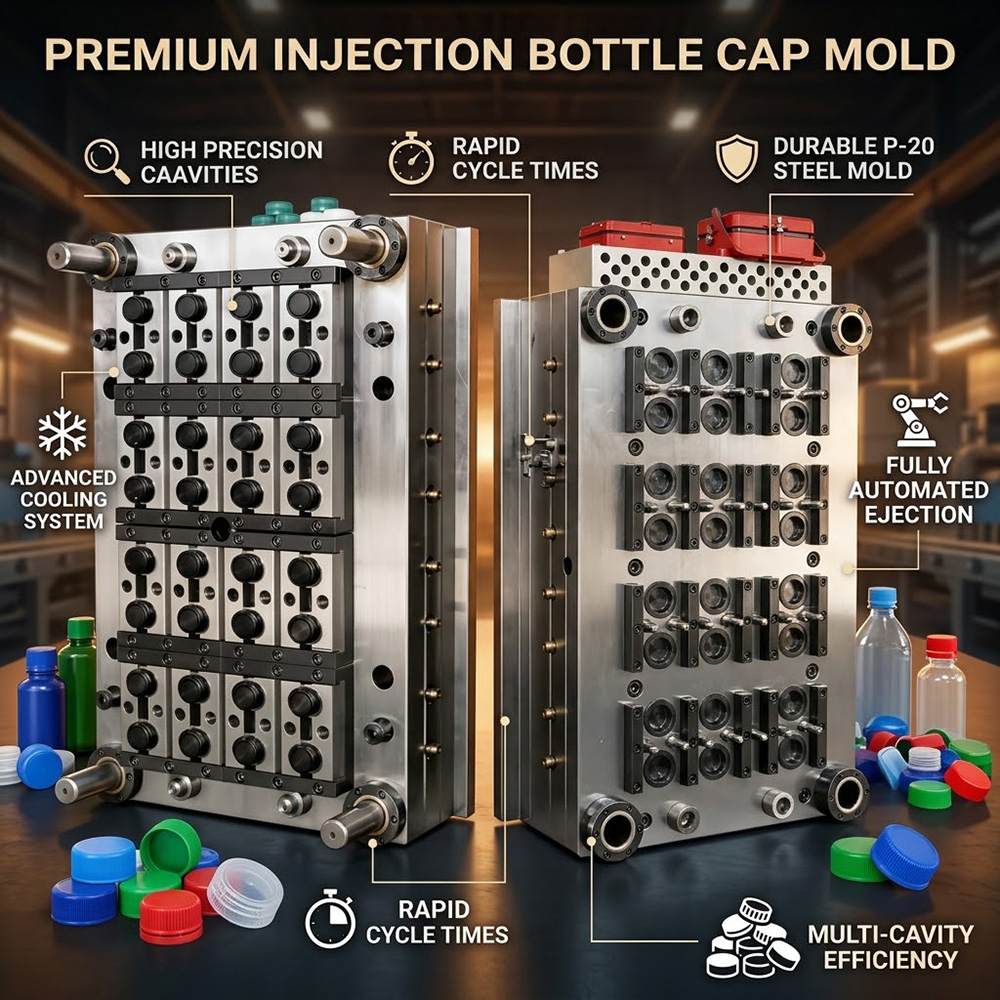
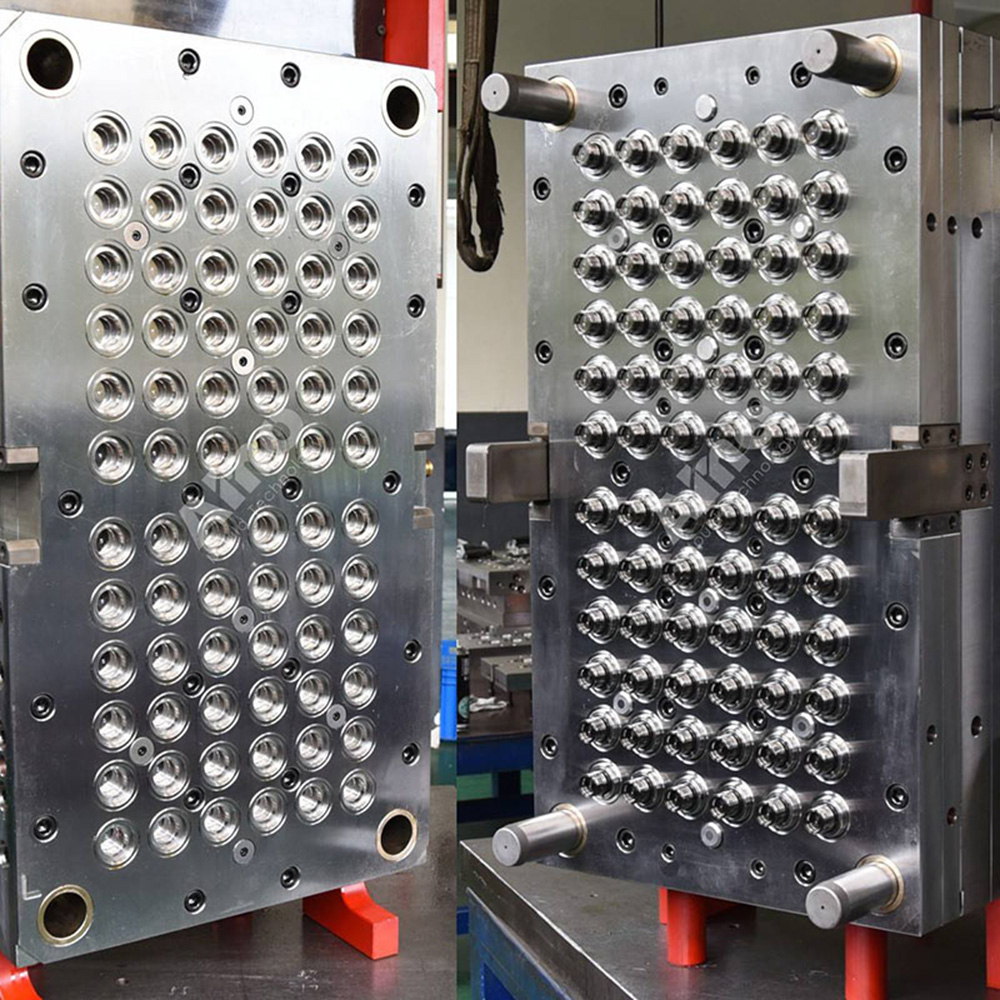
Maintaining parting line flatness within a strict 0.01mm (10 microns) tolerance is not merely a machining standard; it is the single most critical structural prerequisite for zero-defect, high-volume closure manufacturing. As a specialized bottle cap mold manufacturer in China, cap-molds engineers multi-cavity closure tools engineered with sub-10-micron parting line integrity, ensuring flash-free production over extended tool lifecycles.
2. Physics of the Shut-Off Interface: Why 0.01mm Matters
During the injection phase, molten polyolefins under high temperature and pressure exhibit significant shear thinning. The critical clearance threshold where molten HDPE or PP enters a gap—commonly referred to as the plastic flash threshold—ranges between 0.008mm and 0.012mm depending on melt flow rate (MFR) and mold temperature.
The Mechanics of Parting Line Deflection and Flash:
- Hydrostatic Force Concentration: Uneven parting line contact leads to localized clamping force concentration. Areas with minor gaps experience reduced sealing pressure, allowing cavity pressure to lift the shut-off surfaces apart.
- Micro-Hobbing and Steel Fatigue: High-tonnage clamp forces applied to non-flat parting lines cause localized coining or hobbing on high spots, permanently deforming the mold steel and creating permanent flash pathways in lower areas.
- Vent Blockage and Gas Traps: As asymmetric parting lines compress under tonnage, integrated air vents (typically 0.015mm deep) can collapse in high-pressure areas while remaining too wide in others, causing simultaneous burning and flashing defects.
3. Advanced Manufacturing and Machining Protocols at cap-molds
Achieving and sustaining parting line flatness within 0.01mm across complex multi-cavity mold bases requires advanced machining infrastructure, stress-relieved steel metallurgy, and rigorous optical metrology.
| Manufacturing Engineering Vector | Conventional Mold Manufacturing | cap-molds High-Precision Tooling Standards |
|---|---|---|
| Steel Grade & Heat Treatment | Standard P20 or basic stainless steel grades | Premium vacuum-degassed ESR stainless steel (S136 / Stavax ESR, hardened to HRC 52-54) for maximum dimensional stability |
| Parting Line Finishing Process | Manual fitting and surface polishing | Sub-micron high-speed CNC surface grinding and optical jig grinding in climate-controlled environments (±0.001mm accuracy) |
| Platen Flexure Mitigation | Standard plate thickness designs | Finite Element Analysis (FEA) optimized mold plate thickness and supporting pillar placement to prevent flexure under tonnage |
| Quality Inspection Protocols | Manual bluing stone and feeler gauge checks | 3D Coordinate Measuring Machine (CMM) multi-point topography mapping and laser interferometer flatness validation |
4. Thermal Expansion Balancing and Process Optimization
Parting line flatness must be maintained not only in a cold state during room-temperature assembly, but also under steady-state thermal operating conditions (typically 10°C to 20°C mold coolant temperature against hot runner manifolds operating above 220°C).
- Thermal Bridge Isolation: cap-molds incorporates specialized titanium insulation plates and air-gap thermal barriers to prevent uneven heat transfer from the hot runner manifold to the mold cavity plates.
- Balanced Conformal Cooling: Equalized thermal distribution prevents asymmetrical thermal expansion across cavity plates, ensuring the parting line remains flat under continuous 2.0-to-3.0-second cycle dynamics.
- Clamp Tonnage Optimization: By ensuring uniform 0.01mm parting line contact, required machine clamping force can be reduced by 10-15%, extending injection molding machine toggle life and reducing energy consumption.
5. Long-Term Maintenance and Parting Line Preservation
Sustaining sub-10-micron flatness over multi-million cycle production runs requires proactive tool maintenance procedures. cap-molds designs closure tooling with self-cleaning micro-vent structures and hard DLC (Diamond-Like Carbon) coated wear alignment locks to prevent parting line galling and degradation.
Regular preventive maintenance—including automated ultrasonic cleaning of venting grooves, non-abrasive parting line inspection, and torque-calibrated assembly—ensures consistent flash-free performance year after year.
Partner with cap-molds for Flash-Free Closure Tooling Solutions
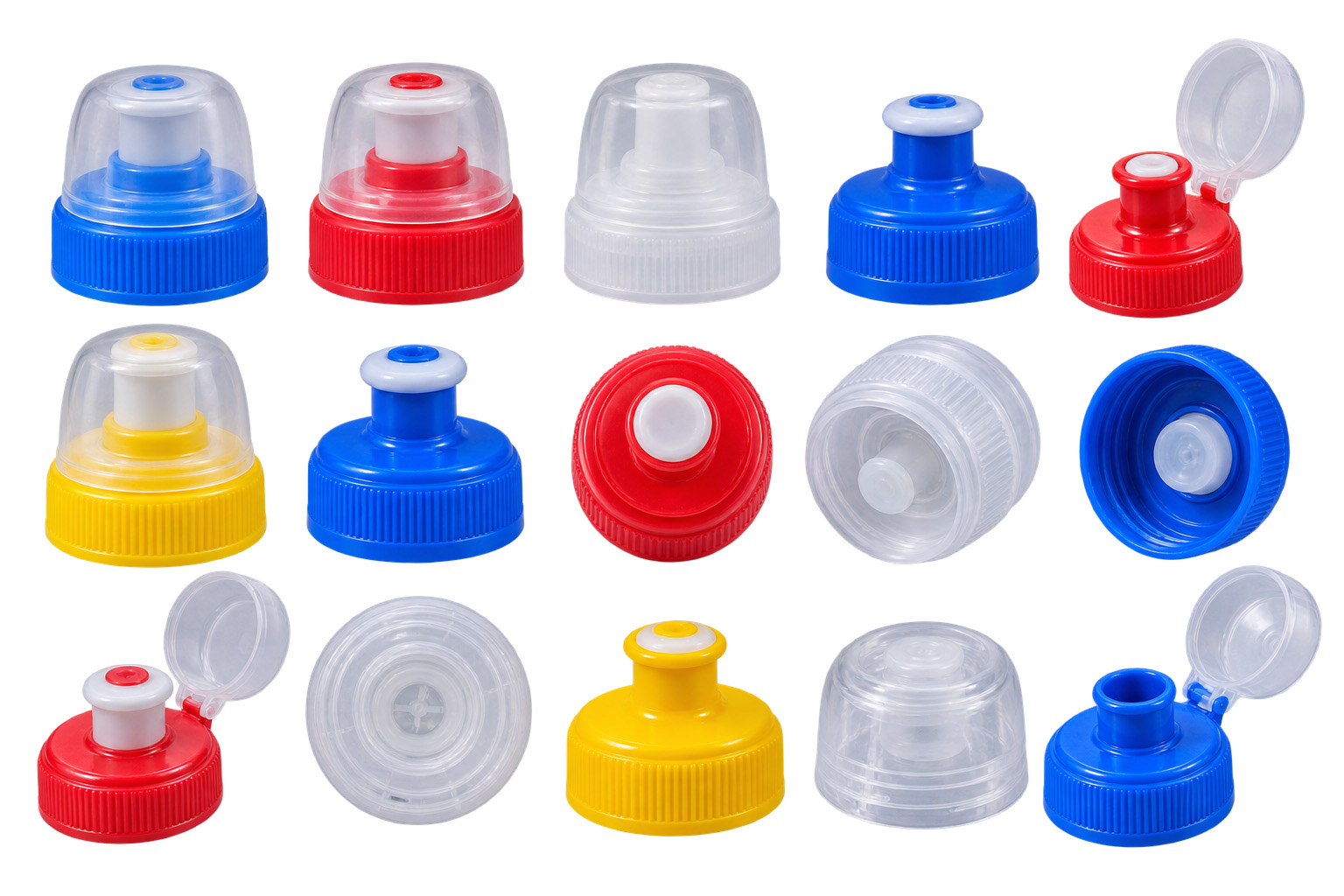
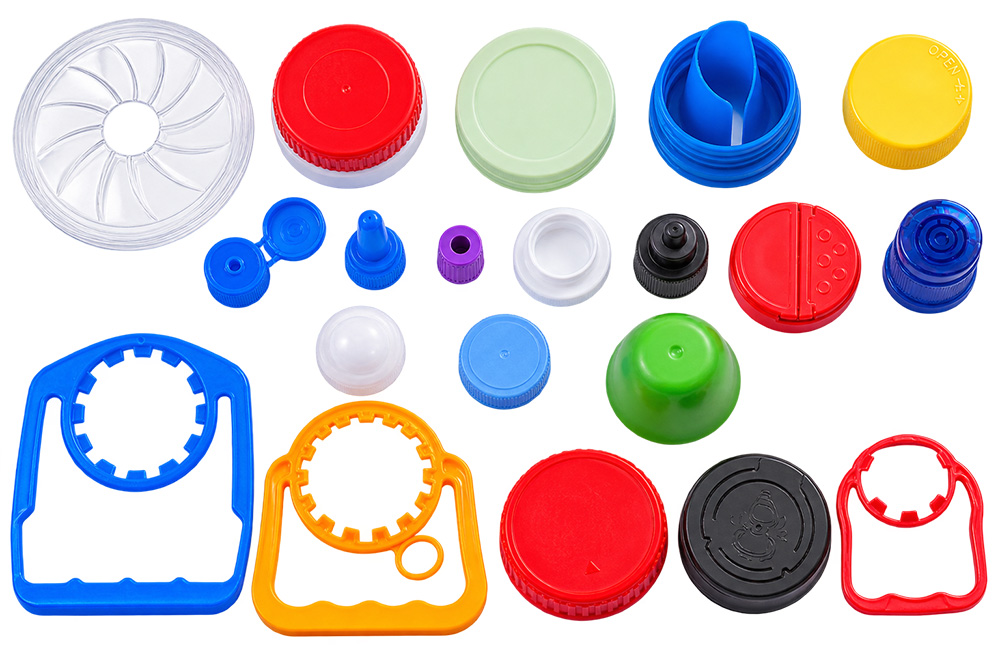
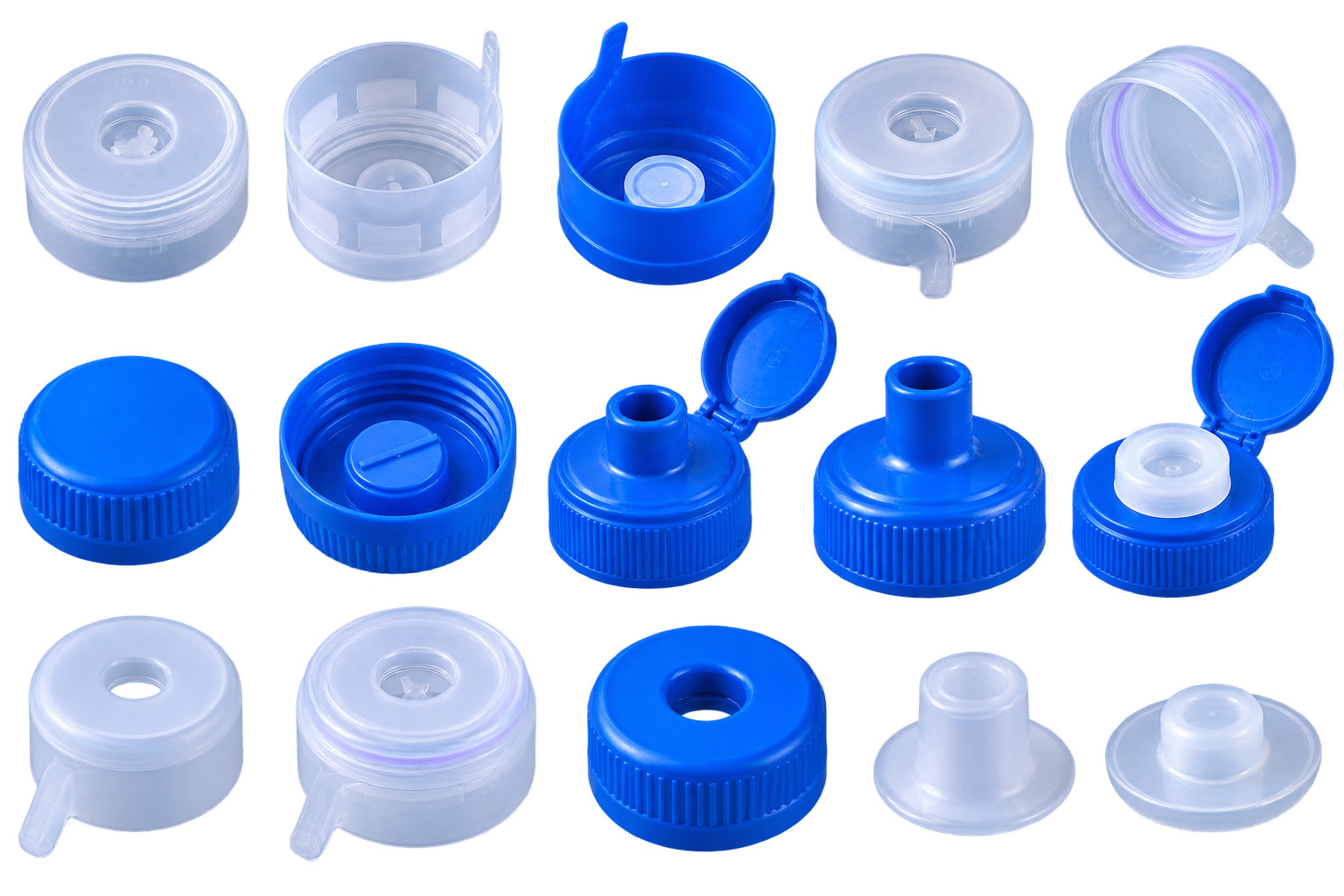
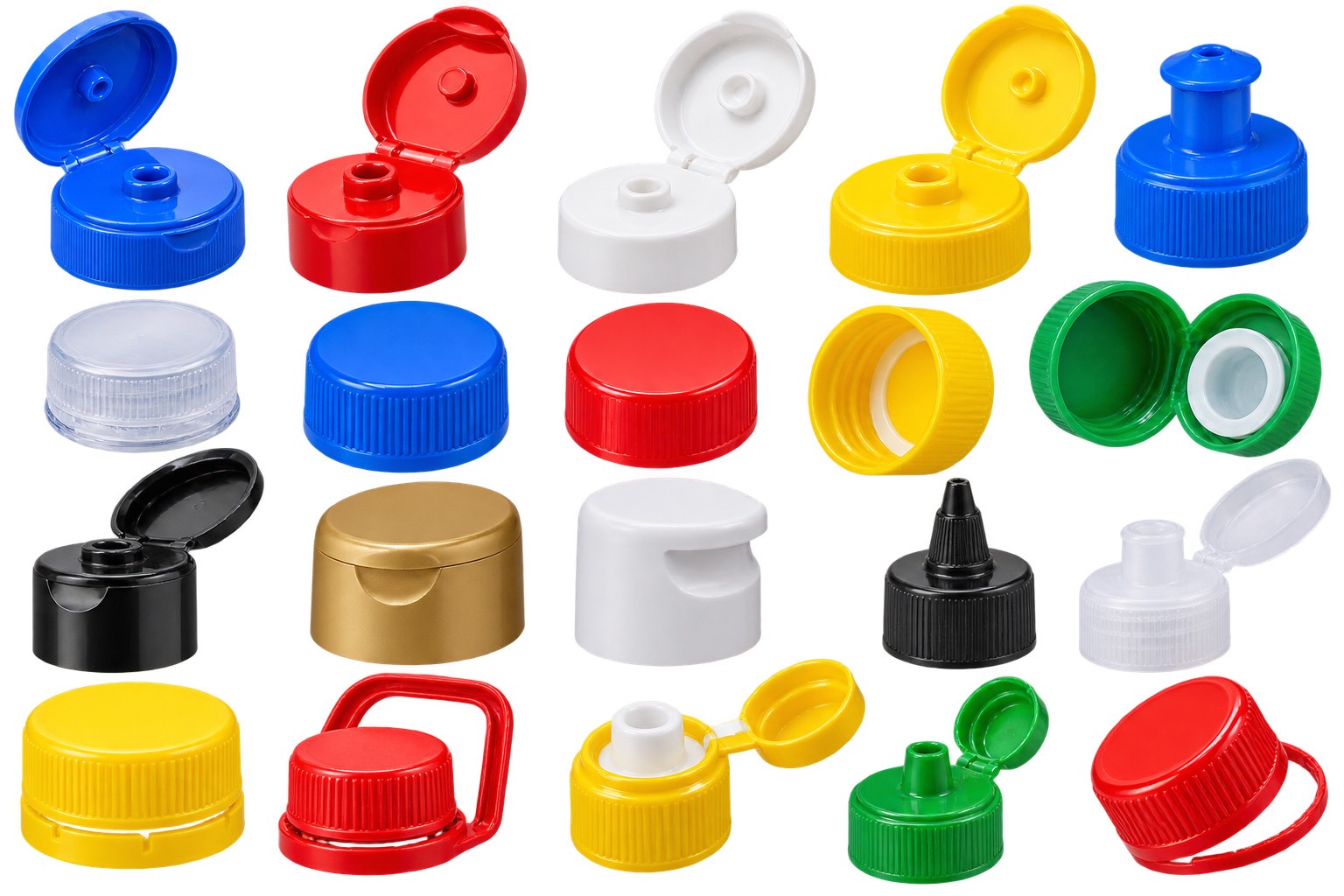
At cap-molds, our commitment to extreme mechanical precision, certified tool steel metallurgy, and rigorous CAD/CAE validation makes us a trusted global partner for high-cavitation closure tooling. Whether you produce water caps, CSD closures, edible oil caps, or complex tethered closures, our engineering team delivers precision molds designed for flawless performance and maximum operational efficiency.