Aluminium Foil Lids Are Excluded from EU Tethered Cap Rules: What This Means for Mixed-Material Closures
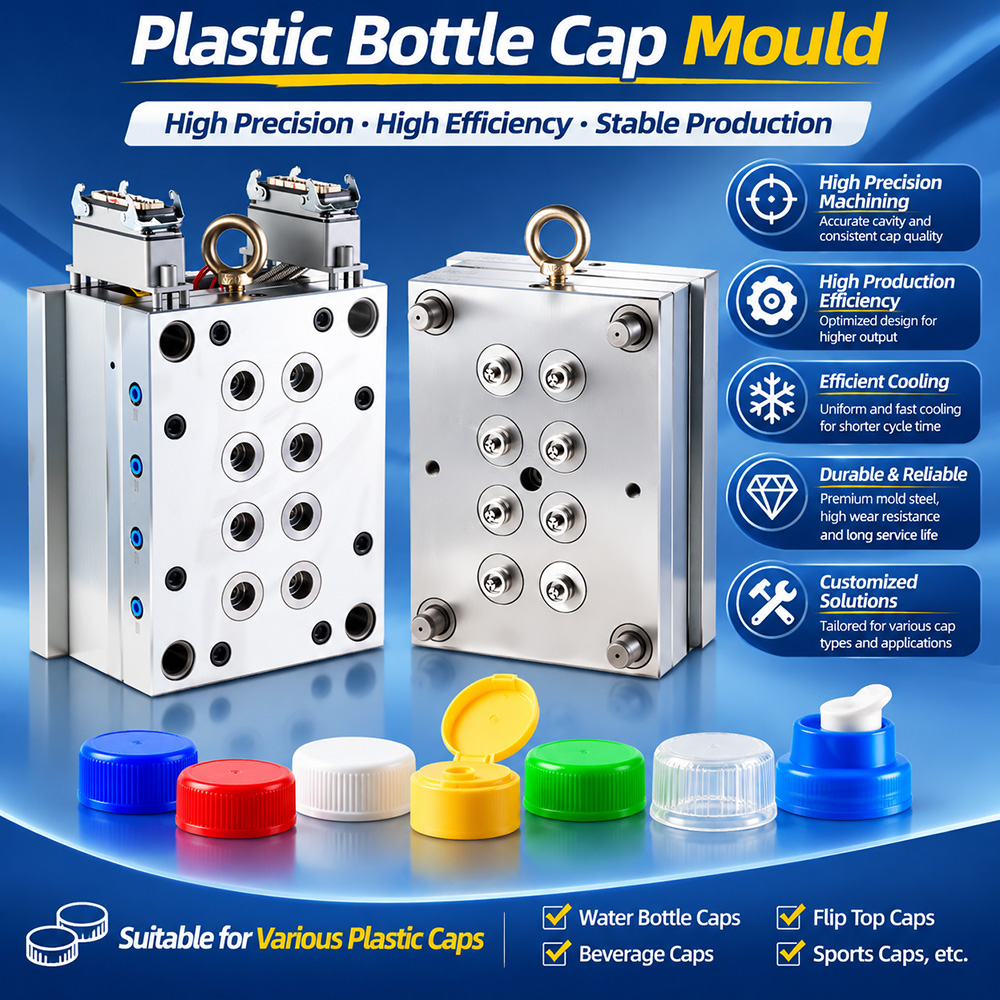
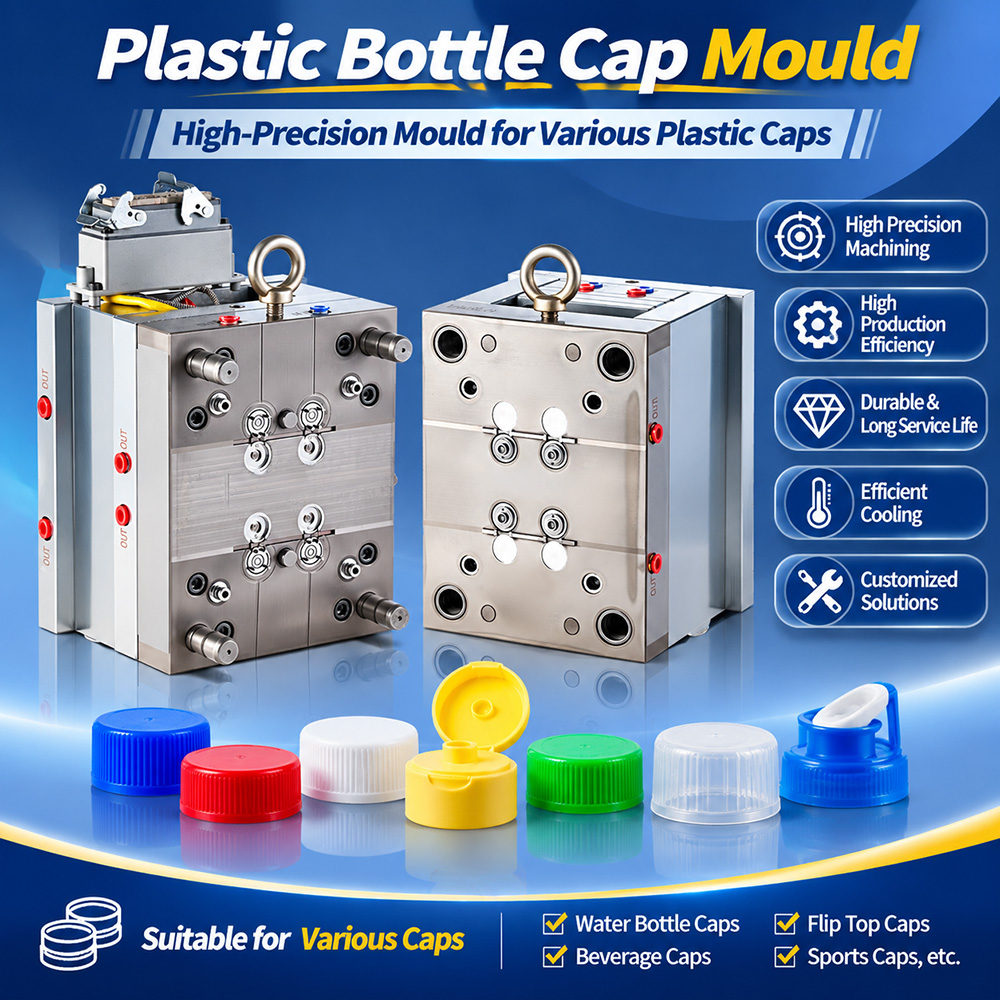
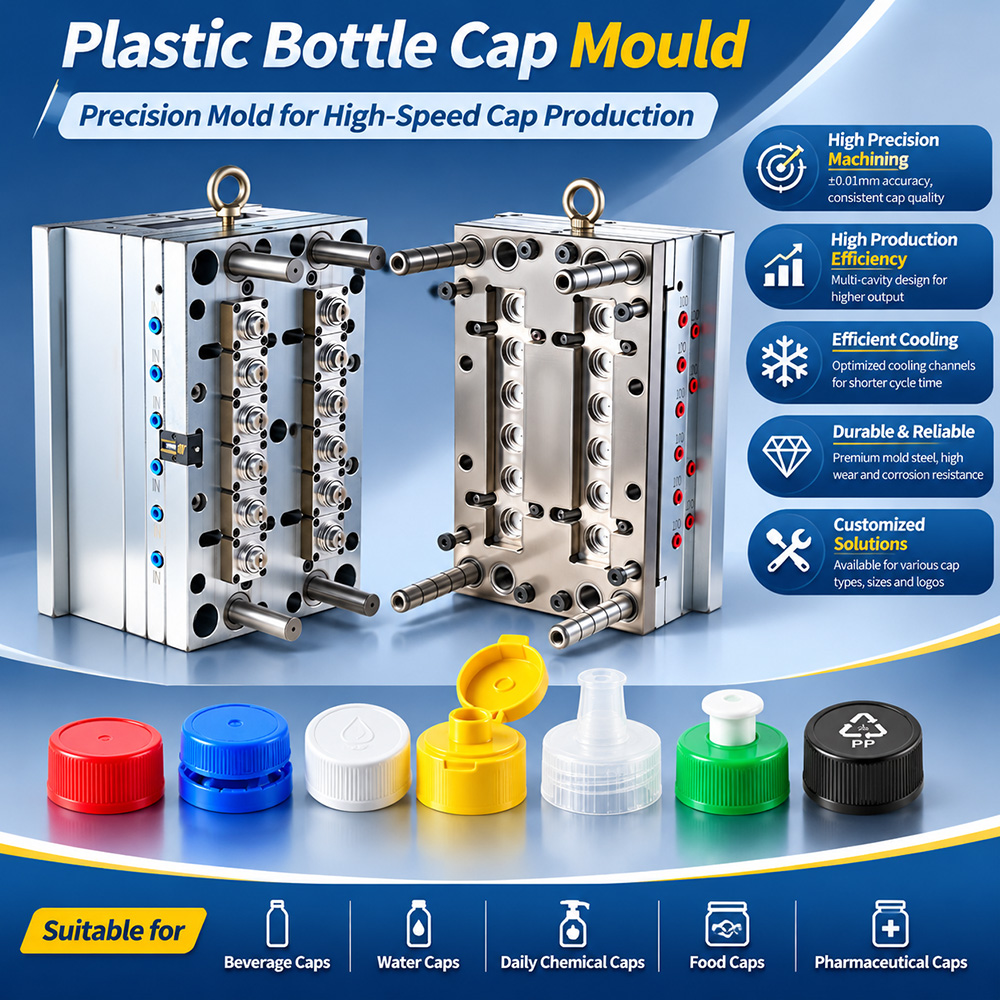
CAP-MOLDS manufactures precision bottle cap molds, including tamper-evident and tethered closure tooling for beverage and dairy applications [citation:4][citation:9]. The Commission’s clarification matters directly to the company’s dairy-sector customers, who have been navigating an unresolved question since the tethered cap requirement took effect in July 2024: when a plastic cap sits on top of an aluminium foil seal, which component must stay attached to the bottle?
This analysis examines the clarification, its practical implications for closure design, and what it does—and does not—change for cap mold specification.
What the Commission Actually Clarified
The update is narrow but consequential. Commission Notice C/2026/4813 adds one new example to Table 4-6 in Section 4.4.2 of the SUPD guidelines. The example is a “plastic cap used in combination with an aluminium foil lid sealed on a single-use plastic beverage container,” such as HDPE bottles for UHT milk [citation:5][citation:10].
The classification is “partially included”:
| Closure Component | SUPD Classification | Tethering Requirement |
|---|---|---|
| Plastic cap | Included under Article 6(1) | Must remain attached to the container during intended use |
| Aluminium foil lid | Excluded under Article 6(2) | Not subject to tethering; not considered a plastic component |
Source: Commission Notice C/2026/4813; Packaging Europe; Pack-Lab [citation:2][citation:5]
The legal basis for the exclusion is Article 6(2) of the SUPD, which states that metal caps or lids with plastic seals are not considered to be made of plastic [citation:5]. The aluminium foil is a metal component. It does not become a plastic component merely because it is used alongside a plastic cap. The plastic cap, however, remains a plastic component and must comply with the tethering requirement.
Why This Matters for Dairy and UHT Packaging
The HDPE milk bottle with a foil seal and a plastic screw cap is a standard format in several EU markets. UHT processing allows milk to be stored at ambient temperatures without refrigeration, and the foil seal provides the primary barrier against contamination and oxygen ingress. The plastic cap provides reclosability after the foil is pierced or removed [citation:5].
Before the update, producers of this format faced an interpretive gap. The SUPD guidelines did not include an explicit example of this closure combination. Article 6(2) excluded metal caps with plastic seals, but the closure in question was a plastic cap with a metal foil lid—the reverse configuration. Producers were left to interpret whether the entire closure assembly fell outside the tethering requirement, or whether only the foil was excluded [citation:5].
The Commission’s answer is now explicit: the plastic cap is in scope. The foil is out. The closure system carries two regulatory classifications, one per component.
What This Means in Practice
A dairy producer running HDPE milk bottles with a plastic cap and foil seal must ensure the plastic cap is tethered. The foil seal does not need to be tethered. The foil’s function—barrier protection, tamper evidence before first opening—is unaffected by the tethering requirement.
The practical design question becomes: how does the tether connect the plastic cap to the bottle neck without interfering with the foil seal’s application, integrity, or removal? The tether must not compromise the foil’s seal integrity during capping, and it must not obstruct the consumer’s access to the foil after the cap is opened.
The Mold Design Implications for the Plastic Cap
The plastic cap in a mixed-material closure faces the same tethered design requirements as any other plastic beverage cap. CAP-MOLDS’ engineering experience with tethered closure tooling identifies the critical parameters [citation:4]:
| Design Parameter | Requirement | Mold-Level Control |
|---|---|---|
| Tether retention force | Must withstand ≥25 N tensile force without detachment | Hinge geometry and material distribution in the tether zone; conformal cooling to ensure consistent crystallinity |
| Hinge durability | Survive ≥15 open-close cycles without functional loss | Hinge cross-section design; cooling uniformity in the localized thick section; steel selection for wear resistance |
| Foil compatibility | Tether must not interfere with foil sealing or removal | Cap skirt and tether position relative to the sealing surface; ejection geometry that avoids tether deformation |
| Thread engagement | Secure reclosure after foil removal | Thread core concentricity; dimensional consistency across cavities |
CAP-MOLDS’ cap mold specifications include S136 stainless steel for core and cavity components (HRC 48-52), individual cavity temperature control, and precision thread forming [citation:9]. For tethered caps, the hinge zone requires particular attention: the localized mass increase creates a cooling challenge that, if not addressed, produces sink marks or incomplete crystallization that weakens the hinge and reduces cycle life.
What Does Not Change
The foil lid exclusion does not alter the plastic cap’s design requirements. A cap that was designed for a virgin-resin closure without tethering cannot be adapted to a mixed-material closure by simply adding a foil lid. The plastic cap must still meet the tethering requirements. The foil lid’s exclusion means only that the foil itself does not need a tether—it does not mean the overall closure system is exempt.
What About the PPWR and Recyclability?
The SUPD tethered cap requirement and the PPWR recyclability requirements are separate regulatory tracks. The Commission’s update addresses only the SUPD tethering question. It does not address whether a mixed-material closure is recyclable under the Packaging and Packaging Waste Regulation (PPWR).
That question remains open, and the answer is less favorable. The European Aluminium Foil Association’s design-for-recycling guidelines note that aluminium in closure systems—including liners and seals on PET rigids—is consistently classified as “incompatible or non-recyclable” by multiple recyclability assessment frameworks [citation:3]. The PPWR’s recyclability performance grades, which apply from 2030, will require packaging to meet design-for-recycling criteria that mixed-material closures may struggle to satisfy [citation:3].
For cap mold buyers, this creates a two-track compliance landscape. The SUPD tethered requirement is satisfied by a plastic cap with a hinge or strap. The PPWR recyclability requirement may favor mono-material closures—a plastic cap with a plastic seal, or a design that eliminates the foil entirely. The two requirements are not in conflict, but they point in different directions. A tethered plastic cap with an aluminium foil lid satisfies the SUPD. It may not satisfy the PPWR’s recyclability criteria.
Frequently Asked Questions
Does the EU update mean aluminium foil lids are exempt from the tethered cap requirement?
Yes, the foil lid itself is excluded because it is not a plastic component under Article 6(2) [citation:2][citation:5]. However, the plastic cap used with the foil lid remains subject to the tethering requirement. The closure system is “partially included”—the plastic cap is in scope, the foil is out.
Which packaging formats does this clarification affect?
The Commission’s example specifically references HDPE bottles for UHT-processed milk, a standard format in several EU markets [citation:5]. The principle applies to any single-use plastic beverage container using a plastic cap in combination with an aluminium foil lid, not only dairy applications.
Does the clarification change the plastic cap mold design requirements?
No. The plastic cap in a mixed-material closure must still meet the tethered cap requirements: retention force, hinge durability, and compliance with EN 17665 testing. The mold design parameters—hinge geometry, cooling uniformity in the hinge zone, thread concentricity—are unchanged. CAP-MOLDS’ tethered cap tooling specifications apply to these caps regardless of whether a foil lid is used underneath [citation:4].
Is a tethered plastic cap with a foil lid recyclable under the PPWR?
The SUPD clarification does not address PPWR recyclability. Separate assessment frameworks classify aluminium foil seals as incompatible or non-recyclable in plastic recycling streams [citation:3]. Producers targeting PPWR compliance should evaluate whether a mono-material closure alternative—such as a plastic cap with a plastic seal—better meets recyclability criteria, even if the current mixed-material format remains SUPD-compliant.