Wear Part Management in High-Cavity Cap Molds: Inspection Intervals and Replacement Planning
Wear Part Management in High-Cavity Cap Molds: Inspection Intervals and Replacement Planning
In high-volume plastic closure manufacturing, high-cavity injection molds—ranging from 48 to 96 cavities or more—operate under relentless thermal and mechanical stress. Producing millions of bottle caps annually means that individual components such as core inserts, cavity walls, valve pins, and slider mechanisms are subject to progressive wear. Without a systematic wear part management program, unexpected component failure can lead to severe production downtime, dimensional defects, and skyrocketing scrap rates. At Cap-Molds, as a premier specialized cap mold manufacturer, we engineer robust tooling designed for longevity, supported by structured inspection intervals and proactive replacement planning.
This technical whitepaper explores the critical engineering methodologies required to manage wear parts effectively in high-cavity cap molds, ensuring maximum Overall Equipment Effectiveness (OEE) and long-term operational profitability.
1. Identifying Critical Wear Zones in High-Cavity Cap Tooling
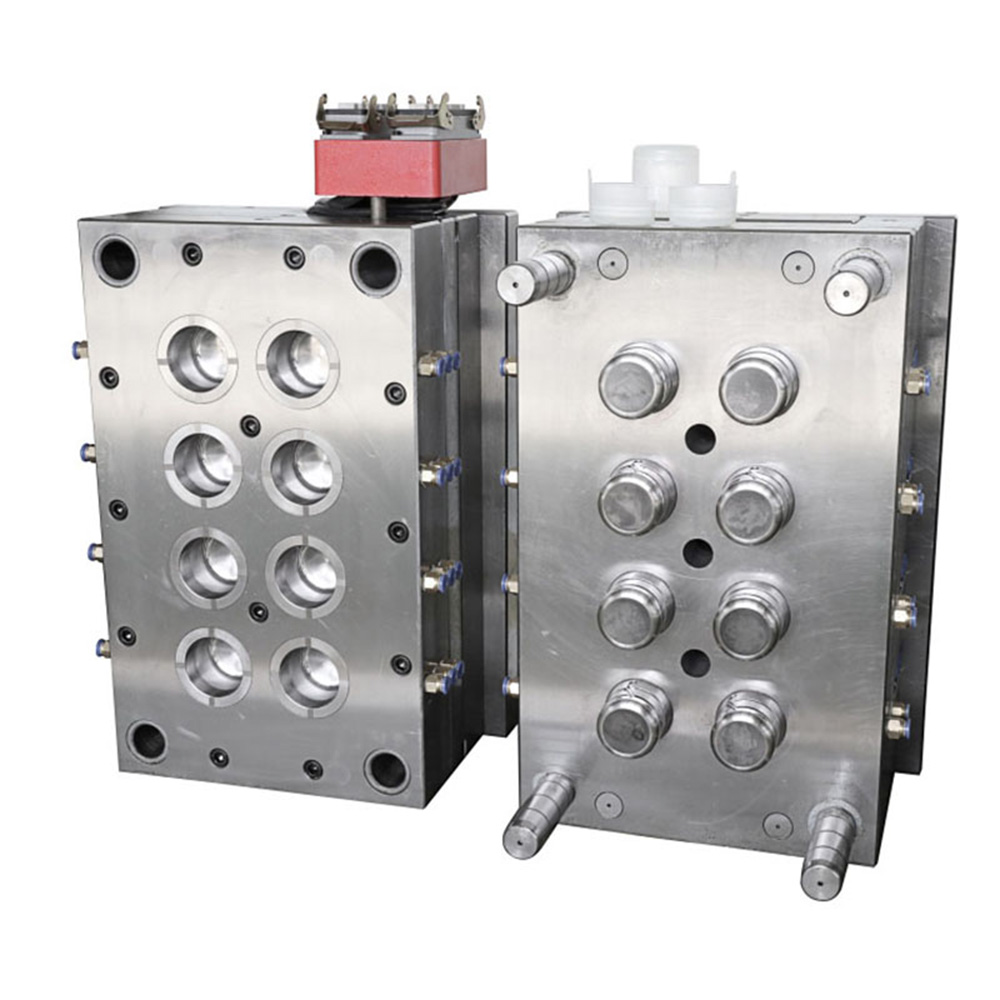
High-speed cap production involves rapid injection cycles, high clamping forces, and complex mechanical motions (such as unscrewing mechanisms or slider actions for tethered caps). Understanding where and how wear occurs is the first step in effective maintenance planning:
- Hot Runner Tips and Valve Pins: Constantly exposed to high temperatures and abrasive polymer flows, valve pins and gating areas experience thermal fatigue and mechanical erosion, which can lead to stringing or gate drool.
- Core and Cavity Interfaces: Micron-level precision is required to prevent flash. Repeated high-pressure clamping gradually wears mating surfaces, risking parting-line mismatch.
- Hinge and Undercut Sliders: For specialized closures like tethered or flip-top caps, moving slides and collapsible cores experience high friction, necessitating specialized surface treatments and periodic clearance checks.
2. Establishing Scientific Inspection Intervals
Reactive maintenance—fixing components only after they fail—is inefficient and costly in high-cavity manufacturing. Cap-Molds recommends a tiered inspection schedule based on cycle milestones:
- Daily/Shift-Level Checks: Visual inspection of molded caps for flash, short shots, or weight variations, alongside monitoring hot runner temperature stability and hydraulic pressures.
- Mid-Term Maintenance (e.g., Every 500,000 Cycles): Cleaning of venting paths, inspection of parting lines using optical non-contact metrology, and checking nozzle tip seating to prevent resin leakage.
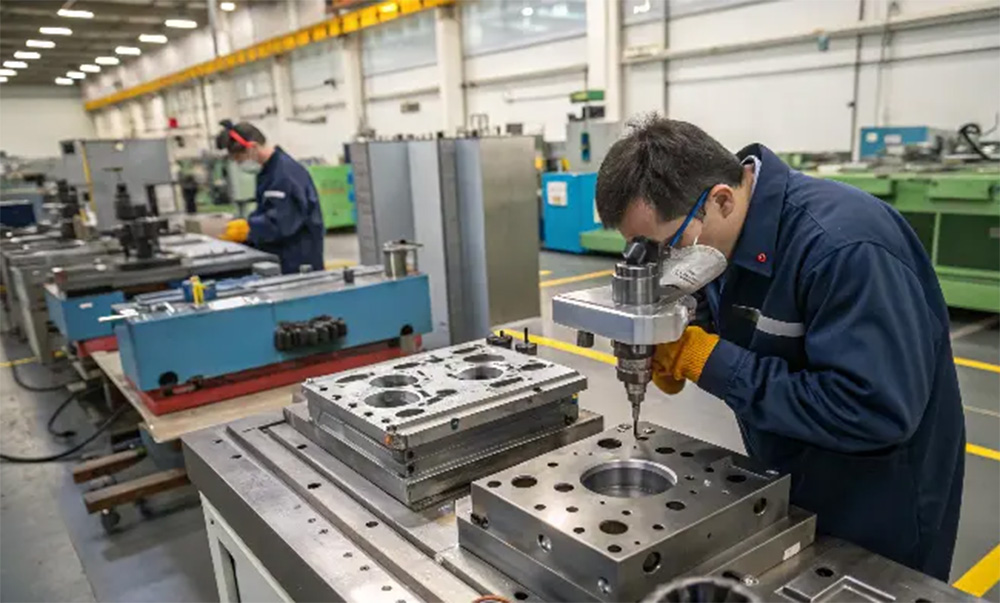
- Overhaul Intervals (e.g., 2 Million+ Cycles): Comprehensive teardown of the mold, CMM measurement of interchangeable core and cavity inserts, replacement of O-rings, seals, and fatigued springs or guide pins.
3. Strategic Replacement Planning and Interchangeability
Minimizing mean-time-to-repair (MTTR) relies heavily on proactive replacement planning and component interchangeability:
- ±0.005mm Interchangeability: Cap-Molds manufactures all critical mold inserts with extreme dimensional precision, ensuring that spare cores and cavities can be replaced instantly from inventory without requiring manual hand-matching or custom shimming on the factory floor.
- Critical Spare Parts Inventory: Maintaining an audited stock of high-wear items—such as valve pins, heater bands, sealing rings, and specific cavity inserts—prevents extended supply chain delays during unexpected wear events.
- Predictive Maintenance Integration: Utilizing digital tracking logs and serialized component history allows plant managers to predict wear trends based on historical resin batches and cycle counts.
4. Why Partner with Cap-Molds?
Optimizing wear part management requires more than just high-quality steel; it demands a manufacturing partner who understands the entire lifecycle of closure tooling. At Cap-Molds, we combine premium pre-hardened stainless steels, advanced surface coatings (such as TiN or DLC), and rigorous CMM quality verification to deliver cap molds built for extended operational life.
By empowering your plant with interchangeable components, structured maintenance guidelines, and expert technical support, we help you achieve lower maintenance overhead, zero unplanned downtime, and consistent product quality across every single cavity.