Ultra-Thin Wall Cap Molding: Balancing Cooling Efficiency, Warpage Control, and Structural Integrity
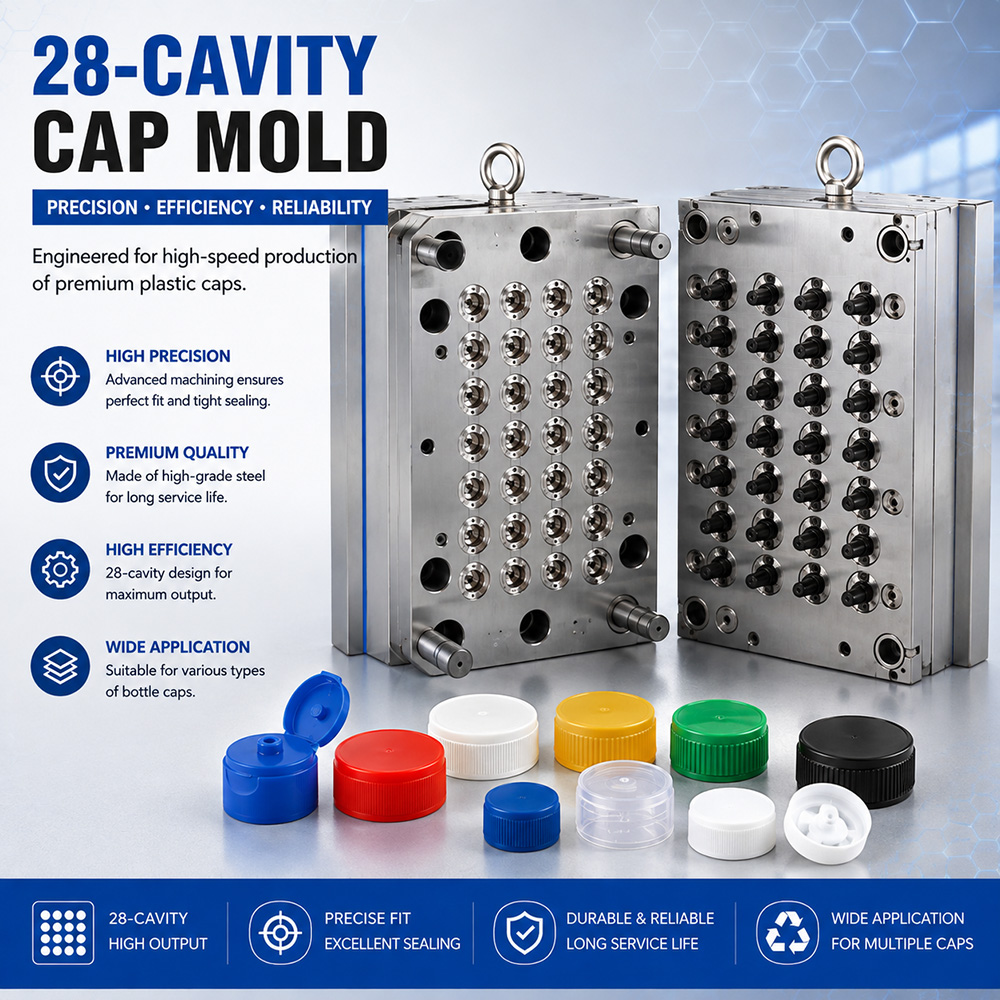
In the global packaging and beverage industries, lightweighting is no longer just a trend—it is a critical imperative for reducing material costs and meeting ambitious corporate sustainability goals. However, driving down the weight of plastic closures through ultra-thin wall cap molding introduces intense manufacturing challenges. Reducing wall thickness often leads to severe thermal imbalances, high injection pressures, part warpage, and compromised structural integrity. At Cap-Molds, as a premier specialized cap mold manufacturer, we engineer advanced tooling solutions that master these competing variables, delivering high-speed, flawless thin-wall closures.
This technical whitepaper examines the core engineering principles required to successfully execute ultra-thin wall cap molding, focusing on thermal management, warpage mitigation, and structural reinforcement.
1. The Engineering Dilemma of Ultra-Thin Wall Closures
When cap wall thicknesses are reduced by 20% to 30%, the physical dynamics inside the mold change drastically:
- Extreme Injection Pressures: Filling ultra-thin flow channels requires high injection velocities and pressures, demanding superior mold steel rigidity and precise machine alignment.
- Rapid Freeze-Off Risks: Molten polymer cools much faster in thin sections, increasing the risk of short shots if the thermal environment is not rigorously controlled.
- Warping and Residual Stress: Uneven cooling across complex thread profiles and tamper bands frequently causes post-molding warpage, affecting cap-to-bottle application torque.
2. Optimizing Cooling Efficiency in High-Cavity Thin-Wall Molds
Cooling accounts for up to 80% of the total injection molding cycle time. In ultra-thin wall applications, maximizing cooling efficiency without sacrificing mold durability is essential:
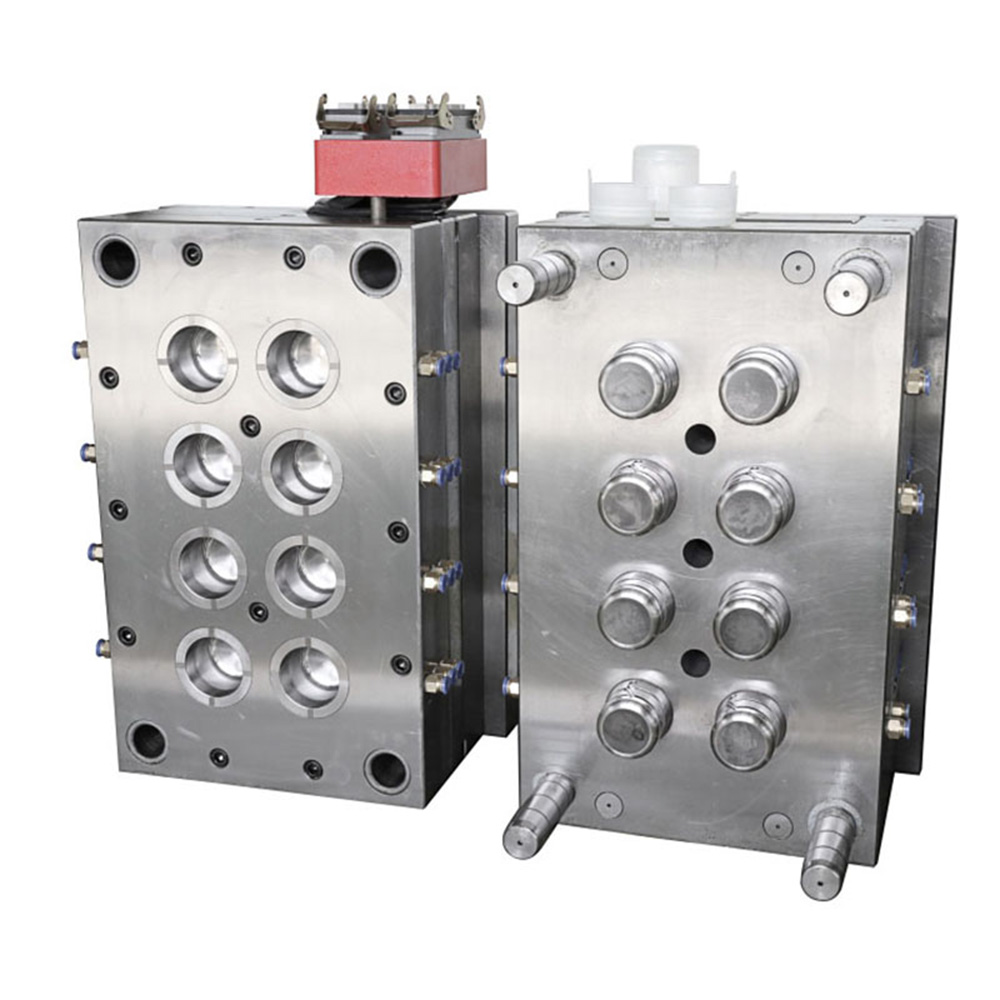
- Conformal Cooling Integration: Utilizing advanced direct-metal laser sintering (DMLS), Cap-Molds integrates contour-following cooling channels that wrap closely around core and cavity geometries, dramatically slashing cycle times.
- Thermal Conductivity Materials: Incorporating high-conductivity beryllium-copper or specialized alloy inserts in high-heat zones accelerates heat extraction and eliminates hot spots.
3. Warpage Control and Structural Integrity
Thin-wall caps must maintain rigorous structural performance—withstanding top-load pressures and drop tests without cracking or leaking. To achieve this:
- Balanced Filling Simulation: Rheological analysis ensures uniform polymer distribution, preventing localized molecular orientation disparities that cause asymmetric warpage.
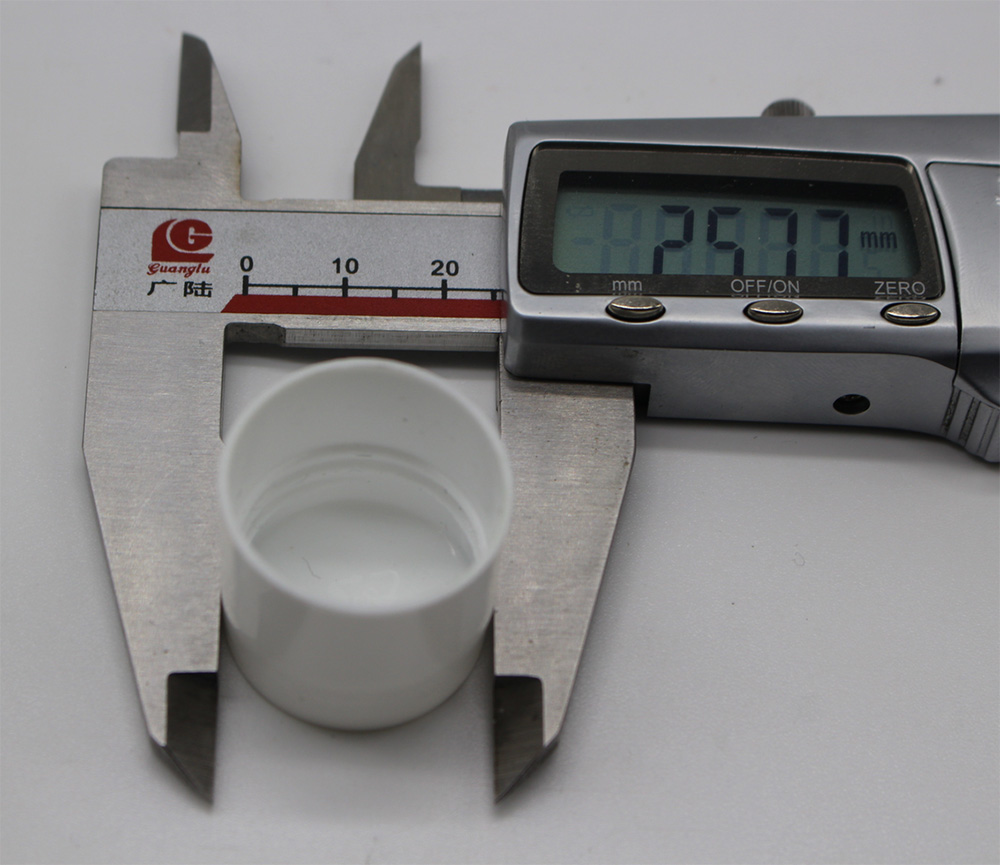
- Micron-Level Tolerances: Maintaining strict ±0.005mm machining tolerances ensures perfect alignment between core and cavity, preventing uneven wall thickness that weakens the closure structure.
4. Why Partner with Cap-Molds?
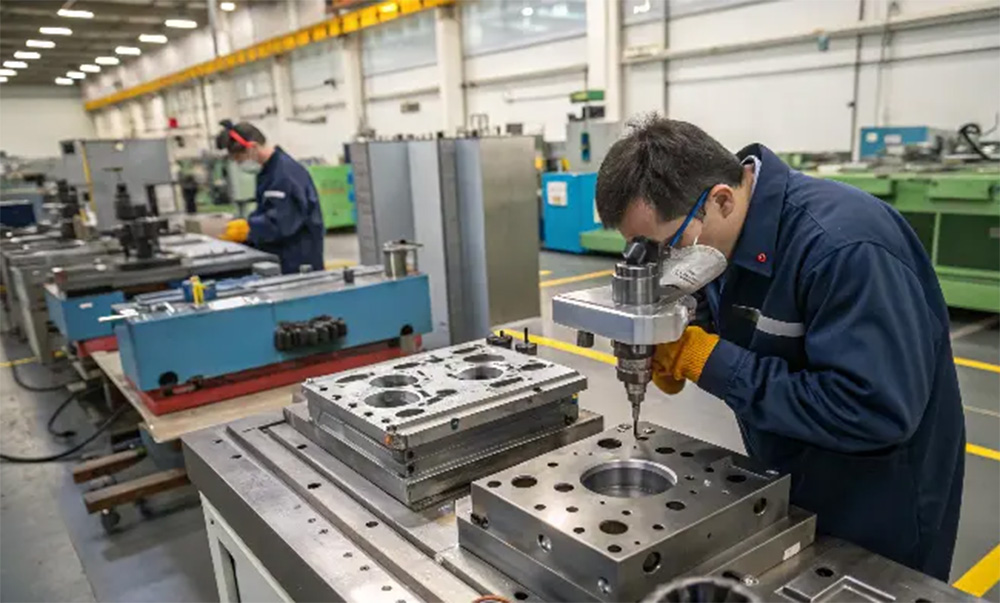
Mastering ultra-thin wall cap molding requires deep engineering expertise, state-of-the-art CNC machining, and rigorous CMM validation. As an industry-leading cap mold expert, Cap-Molds delivers custom tooling that enables global brands to achieve maximum weight reduction, faster cycle times, and uncompromising structural quality.
By integrating innovative cooling layouts and robust mechanical design, we empower your manufacturing lines to achieve peak efficiency and sustainable profitability.