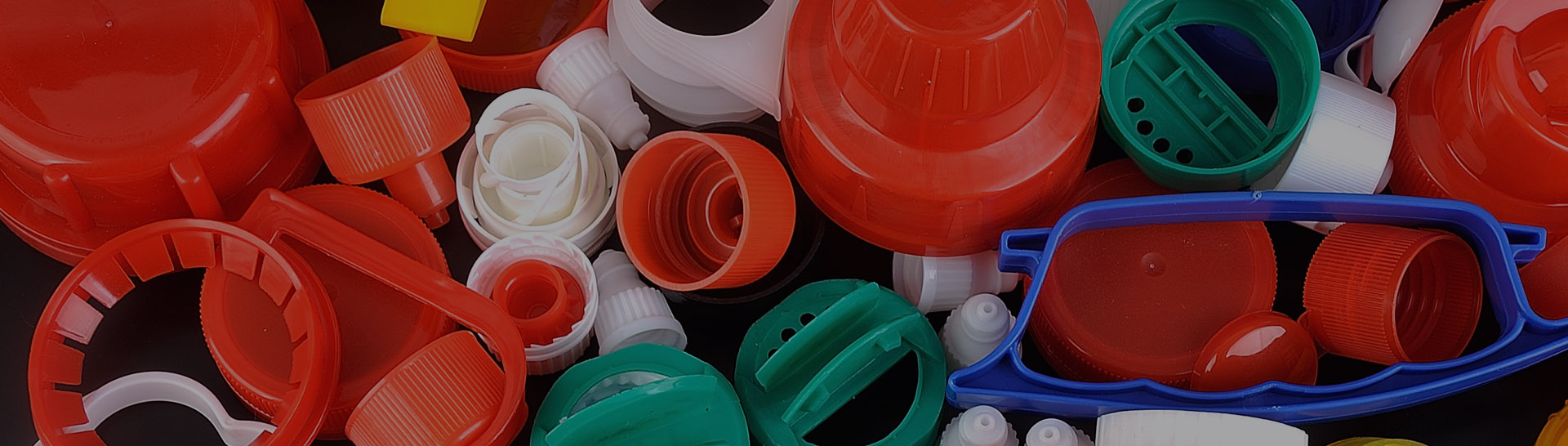
Processing PCR HDPE and PP in Cap Molds: Managing Shrinkage Variation and Contamination
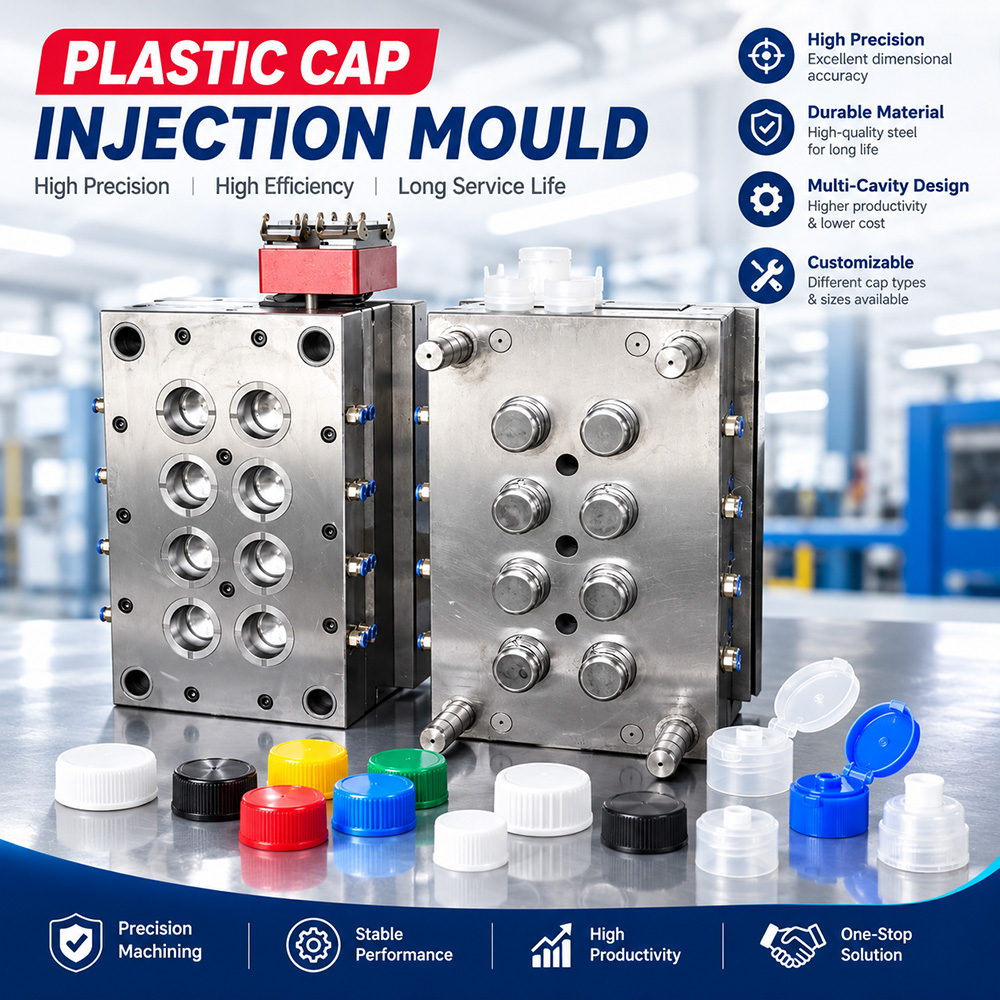
Processing PCR HDPE and PP in Cap Molds: Managing Shrinkage Variation and Contamination
Published by cap-molds — China's Leading Precision Bottle Cap Mold Manufacturer & Sustainable Closure Tooling Specialist
1. Introduction: The Sustainability Shift to PCR Resins in Closure Manufacturing
Driven by global environmental regulations, brand commitments, and circular economy mandates, beverage and packaging converters are rapidly transitioning from virgin polyolefins to Post-Consumer Recycled (PCR) HDPE and Polypropylene (PP). However, incorporating PCR resins into high-cavitation, high-speed cap injection molding introduces severe technical hurdles, notably batch-to-batch melt index fluctuations, unpredictable volumetric shrinkage, and particulate contamination.
Standard mold tooling engineered strictly for virgin polymers often struggles with PCR instability, leading to thread distortion, sealing failures, and increased downtime. As a premier China bottle cap mold manufacturer, cap-molds integrates advanced metallurgical engineering, tailored tolerance allowances, and optimized melt filtration strategies to master PCR closure tooling.
2. Material Rheology: Understanding PCR Inconsistencies and Shrinkage
Unlike virgin resin with stable molecular weight distribution, PCR HDPE and PP exhibit varying levels of polymer chain degradation, moisture retention, and additive cross-contamination from mixed waste streams. These factors alter melt flow index (MFI) and crystallization kinetics.
Core Challenges in PCR Cap Molding:
- Volumetric Shrinkage Variance: PCR batches often show higher crystallinity or varying filler content, causing unpredictable post-molding shrinkage that results in cap ovality and loose threads.
- Viscosity Instability: Fluctuating melt viscosity requires wider processing windows, increasing the risk of flash or short shots across multi-cavity tools.
- Thermal Degradation Sensitivity: Degraded polymer fractions are prone to localized overheating and scorching within hot runner manifolds and nozzle tips.
3. Engineering Solutions by cap-molds for PCR Processing
To accommodate the unique behavior of PCR materials without sacrificing cycle time or precision, cap-molds implements specialized tooling adaptations across all high-cavitation closure molds.
| Technical Parameter | Standard Virgin Tooling Setup | cap-mold PCR-Optimized Tooling Architecture |
|---|---|---|
| Cavity Dimensional Tolerance | Standard tight shrink rates (1.022 – 1.025) | Customized shrink allowance matching PCR batches (1.018 – 1.032) |
| Hot Runner Flow Channels | Standard polished radius manifolds | Streamlined, dead-spot-free flow paths with anti-shear coating |
| Venting Architecture | Standard 0.015mm parting line vents | Enhanced vacuum-assisted venting (0.008mm–0.01mm) to prevent gas trapping |
| Core Steel & Hardness | Pre-hardened stainless steel | Vacuum heat-treated ESR steel with wear-resistant PVD coating |
4. Contamination Management and Wear Resistance in PCR Tooling
Post-consumer recycling streams frequently contain minute abrasive contaminants (such as paper fibers, aluminum speck fragments, or foreign polymers) that accelerate mold component wear and block delicate hot runner gates.
- Advanced Melt Filtration: Recommending upstream inline melt filters while designing self-cleaning shear zones in the hot runner nozzles.
- PVD Surface Treatments: Applying high-hardness surface coatings (such as TiAlN or DLC) to core pins and cavity inserts to resist abrasion from recycled mineral fillers.
- Direct-Assembly Zero-Bench-Fitting Tolerances: Ensuring precise guiding and locking mechanisms prevent mechanical micro-impacts caused by foreign particles caught along the parting line.
5. Economic and Environmental Value for Sustainable Bottlers
Successfully processing PCR resins in high-cavitation molds engineered by cap-molds empowers converters to meet sustainability targets while maintaining high-speed operational efficiency:
- Consistent Seal Integrity: Precise shrinkage compensation guarantees flawless bore seal concentricity and leak-proof performance on recycled caps.
- Reduced Maintenance Downtime: Wear-resistant metallurgy and optimized flow paths prevent premature gate clogging and component scoring.
- Seamless Material Transition: Molds are engineered to handle up to 100% rHDPE or rPP blends without requiring major press modifications.
Partner with cap-molds for Sustainable Closure Tooling Solutions
At cap-molds, we combine advanced mold simulation, specialized metallurgical treatments, and decades of closure manufacturing expertise. Whether you are transitioning to 30%, 50%, or 100% PCR content for beverage, cosmetic, or home care packaging, our technical team delivers robust molds engineered for reliable, high-speed sustainable production.