Conformal Cooling for Cap Molds: How Channel Geometry Reduces Cycle Time and Improves Warpage Control
Conformal Cooling for Cap Molds: How Channel Geometry Reduces Cycle Time and Improves Warpage Control
Published by cap-molds — China's Leading Precision Bottle Cap Mold Manufacturer & High-Speed Closure Tooling Specialist
1. Introduction: The Thermal Challenge in High-Speed Cap Molding
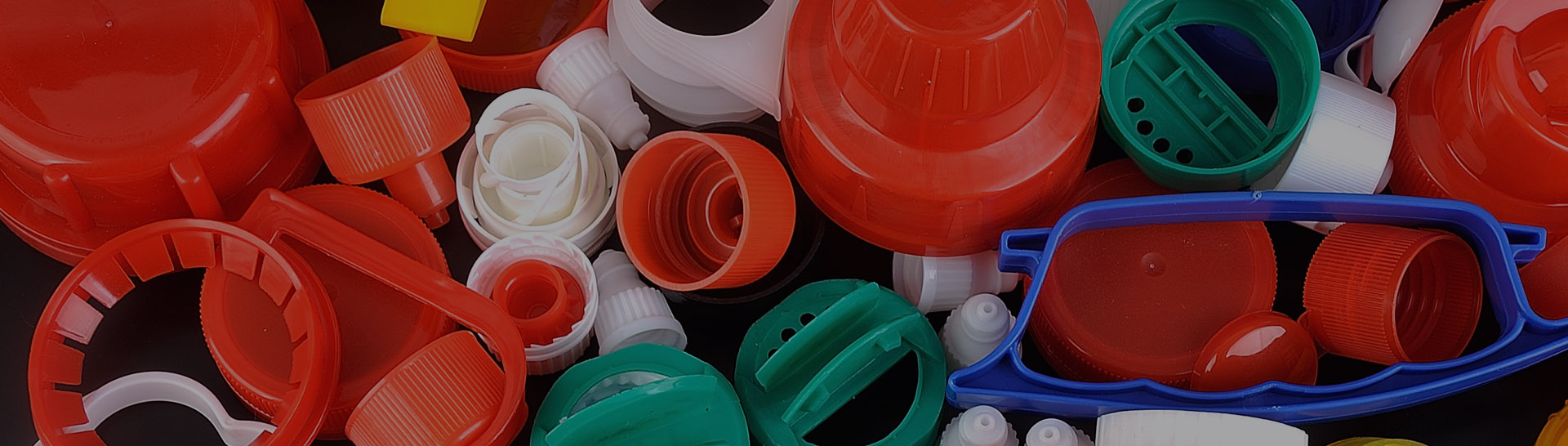
In the competitive plastic packaging industry, cycle time and dimensional stability dictate manufacturing profitability. Plastic bottle caps and closures—engineered with complex internal threads, tamper-evident bands, and delicate sealing lips—require uniform thermal extraction during the injection molding phase. Traditional cooling methods rely on straight drilled lines, baffles, and bubblers, which struggle to reach deep core tips and intricate geometry, causing uneven cooling rates.
As wall thicknesses are reduced for lightweighting, localized thermal hot spots lead to differential shrinkage, resulting in ovality, thread distortion, and cap warpage. Implementing optimized conformal cooling channel geometries transforms heat dissipation across multi-cavity tools. As a premier China bottle cap mold manufacturer, cap-molds leverages advanced additive manufacturing and fluid dynamics engineering to deliver high-performance conformal cooling inserts that dramatically reduce cycle times while mastering warpage control.
2. The Physics of Heat Dissipation: Channel Cross-Section and Proximity
The rate of heat transfer from molten polyolefin (HDPE/PP) to the cooling fluid is governed by Fourier’s law of thermal conduction and turbulent fluid dynamics. Conventional straight-drilled cooling channels maintain a variable distance from the cap's contour, creating significant thermal gradients.
Key Geometric Variables Influencing Cooling Efficiency:
- Distance-to-Surface Uniformity: Maintaining a precise 1.8mm to 2.5mm offset between the channel wall and the cap cavity surface prevents localized heat entrapment at the core tip and thread roots.
- Cross-Sectional Architecture: Moving from traditional circular cross-sections to optimized teardrop or elliptical channel profiles increases the heat transfer surface area by up to 35% without creating excessive pressure drops.
- Reynolds Number (Re) Optimization: Designing smooth, contoured channel curves maintains turbulent flow (Re > 4,000), maximizing the heat transfer coefficient while preventing fluid stagnation.
3. Engineering Breakthroughs: Conventional vs. cap-molds Conformal Tooling
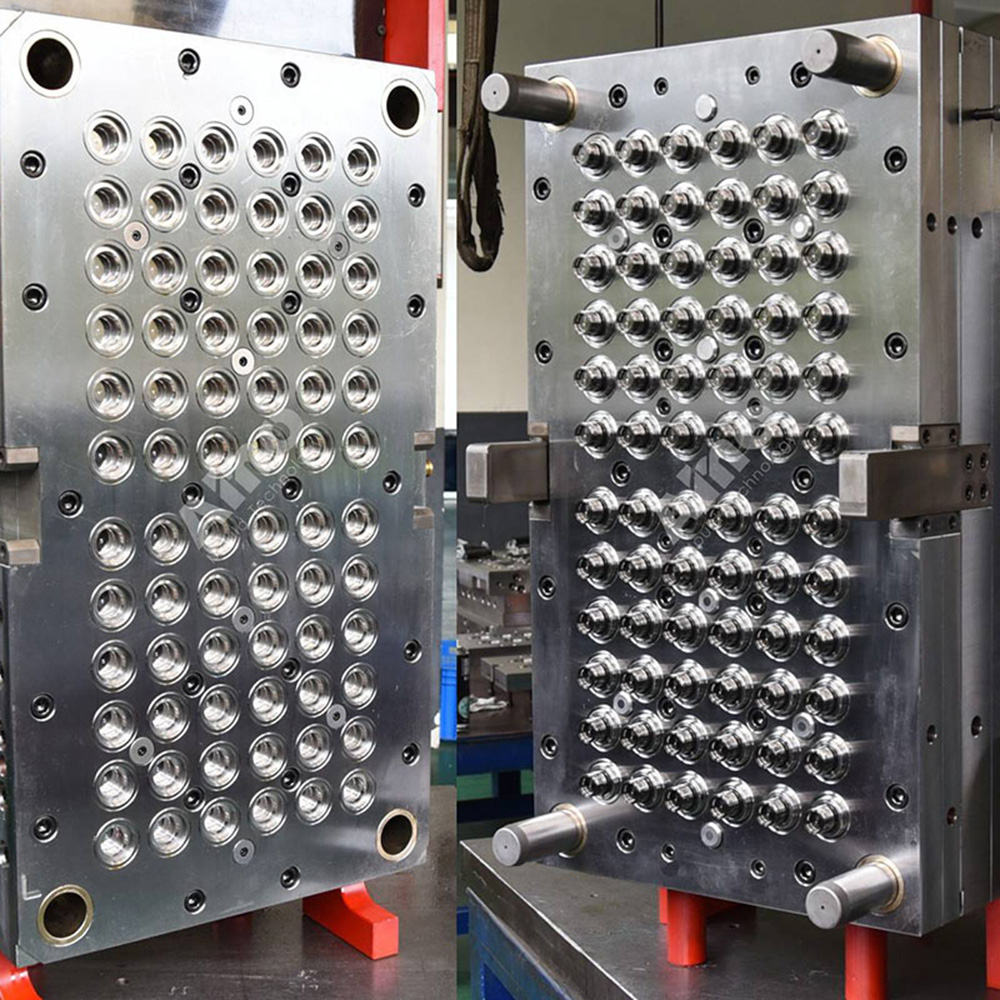
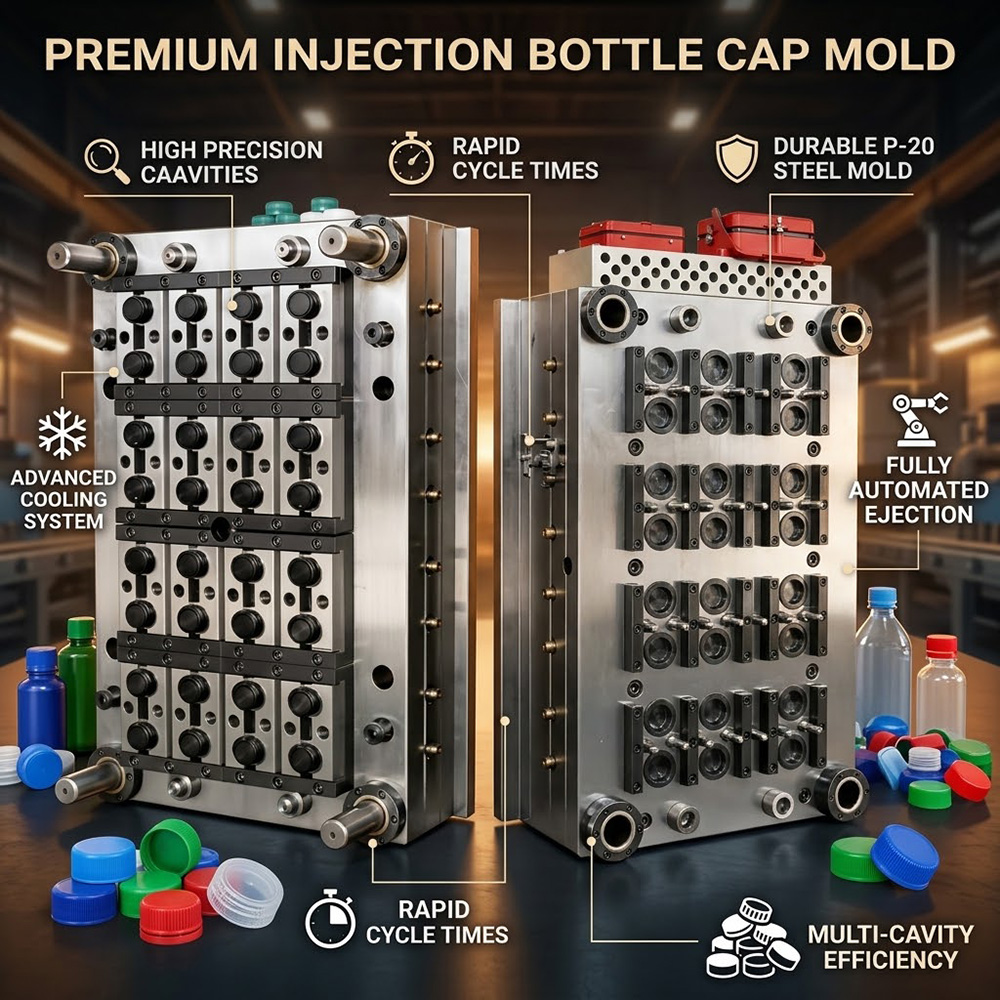
Through 3D Direct Metal Laser Sintering (DMLS) using premium ESR stainless steels and high-conductivity copper alloys, cap-molds redefines thermal performance in high-cavitation closure molds.
| Thermal Performance Parameter | Conventional Drilled Cooling Systems | cap-molds Advanced Conformal Cooling |
|---|---|---|
| Channel Geometry | Linear intersecting bored holes with dead zones | 3D spiral & helical channels contoured exactly to cap geometry |
| Temperature Uniformity Across Core | Variance up to ±12°C between tip and base | Uniform surface temperature maintained within ±1.5°C |
| Volumetric Shrinkage & Warpage | High risk of ovality and thread tilt | Locked dimensional concentricity with zero warpage |
| Total Injection Cycle Time | 3.5s – 4.8s baseline cycle | 2.2s – 2.9s fast cycle (18–25% reduction) |
4. CHT Simulation and Warpage Mitigation Protocols
To guarantee zero-defect cap production, cap-molds employs Conjugate Heat Transfer (CHT) and Finite Element Analysis (FEA) simulations before machining steel inserts:
- Thermal-Structural Co-Optimization: Channel pathways are digitally stress-tested under 1,300 bar injection pressure to prevent micro-cracking and steel fatigue over millions of cycles.
- Bore Seal & Thread Protection: Dedicated micro-conformal loops wrap directly around the internal bore seal region, instantly freezing critical dimensions to prevent post-ejection collapse.
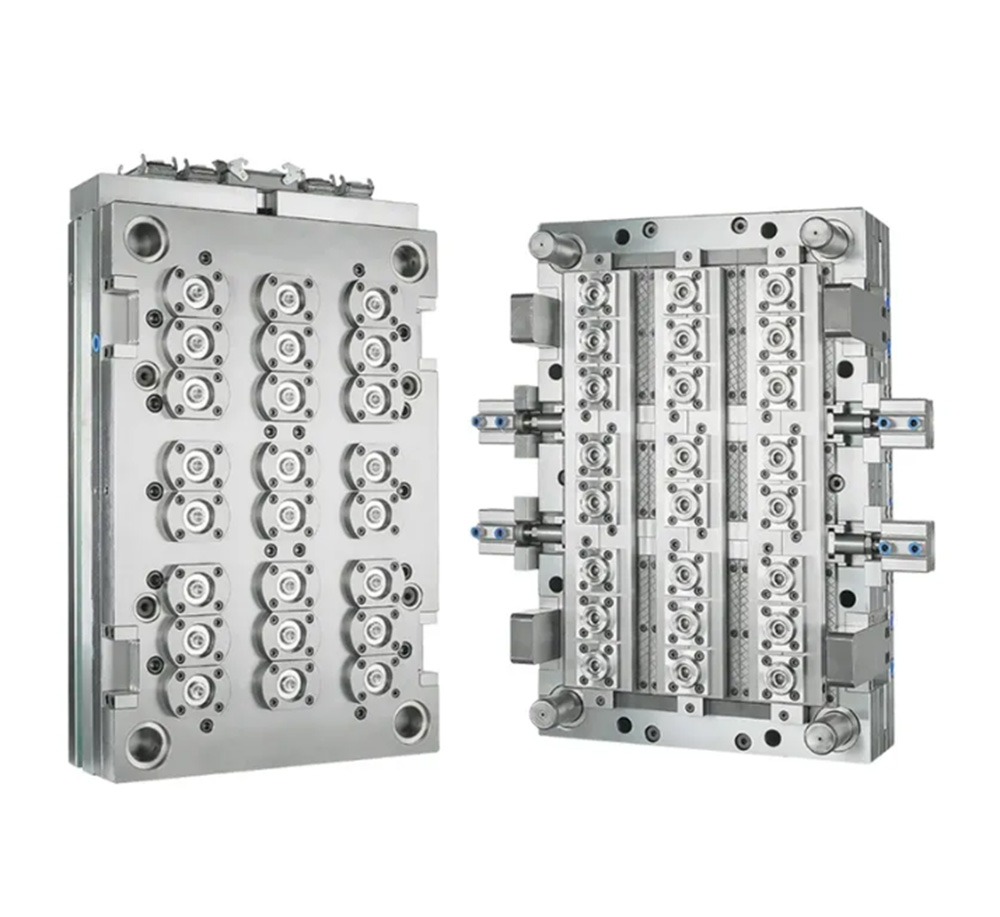
- Balancing Multi-Cavity Thermal Profiles: Integrated manifold flow distribution guarantees identical coolant temperature and flow rate across all 32, 48, 64, or 96 cavity drops.
5. Economic Value and Operational Advantages for Converters
Adopting conformal cooling technology in high-cavitation cap molds engineered by cap-molds offers immediate financial and technical benefits:
- Significantly Reduced Cycle Time: Shaving 0.7 to 1.2 seconds off every shot increases daily machine output by up to 25%.
- Flawless High-Speed Capping Performance: Perfectly round caps with flat sealing surfaces eliminate leakage and prevent capping line jam-ups at bottling plants.
- Lower Scrap Rates: Uniform cooling eliminates sink marks, flashing caused by thermal expansion, and thread deformation, lowering scrap rates below 0.2%.
Partner with cap-molds for Precision Closure Tooling Solutions
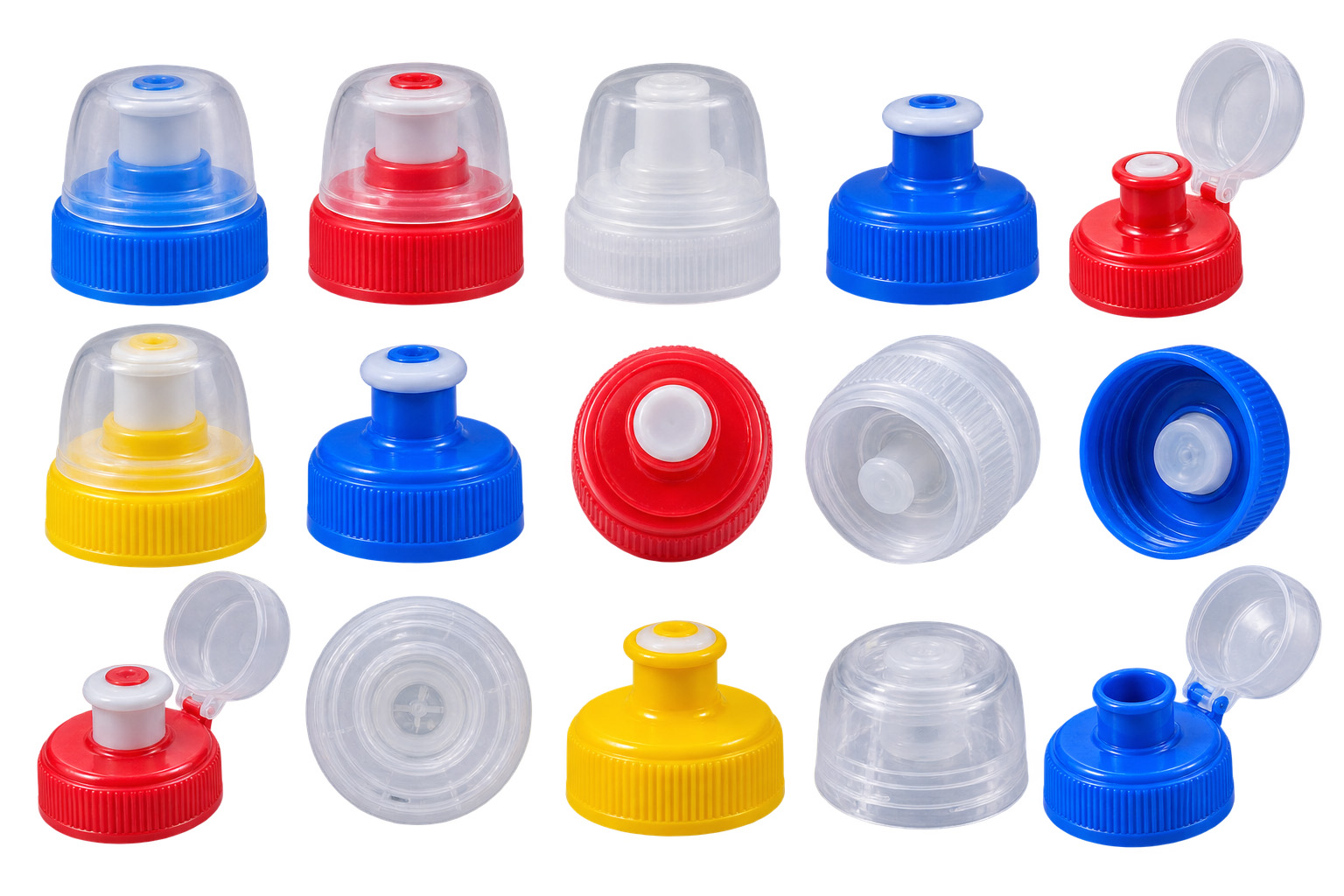
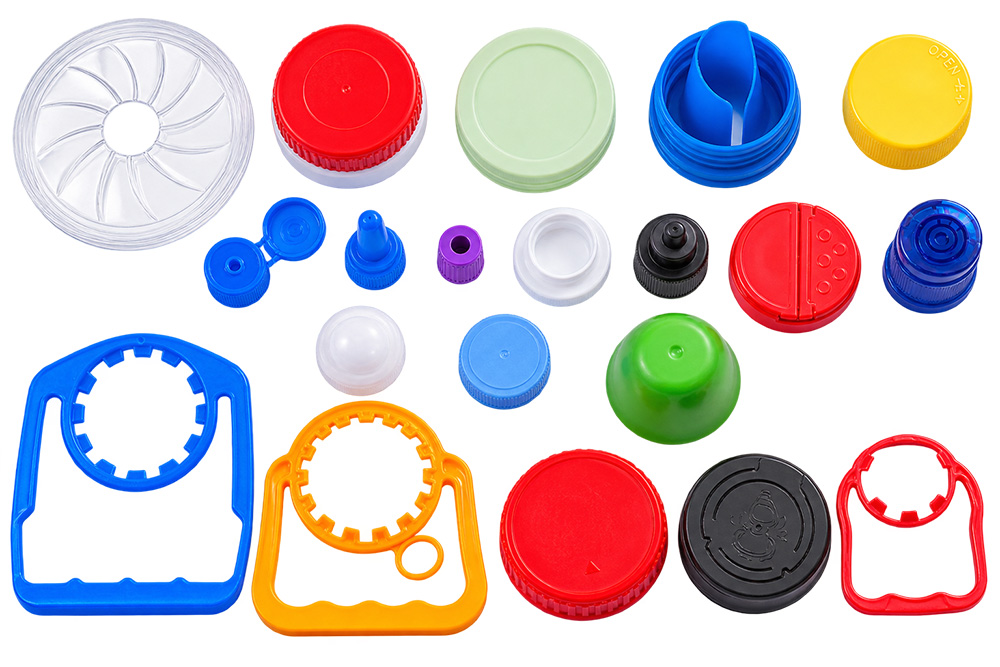
At cap-molds, we combine state-of-the-art DMLS metal 3D printing, sub-micron Swiss CNC machining, and decades of specialized closure mold expertise. Whether you produce CSD closures, mineral water caps, edible oil fitments, or sports caps, our technical team delivers high-cavitation molds built for maximum speed, longevity, and dimensional accuracy.