How to Choose a Reliable Bottle Cap Mold Manufacturer in China: A Complete Sourcing Guide
How to Choose a Reliable Bottle Cap Mold Manufacturer in China: A Complete Sourcing Guide
In the high-speed beverage, pharmaceutical, and personal care packaging industries, the humble bottle cap represents a critical engineering feat. A defect of a fraction of a millimeter can result in fluid leakage, compromised seal integrity, or production line downtime. Sourcing high-precision injection and compression plastic cap molds from China offers substantial economic advantages, but navigating the supplier landscape requires a structured evaluation process.
As a leading China bottle cap mold manufacturer, Cap-Molds has engineered custom closure tooling solutions for clients worldwide. This sourcing guide breaks down the essential technical criteria, quality metrics, and operational evaluations necessary to choose a long-term closure mold partner.
1. Technical Competence & In-House R&D Capabilities
A premier mold maker must be more than a job shop; they must function as technical consultants. When evaluating a Chinese manufacturer, examine their capability in closure engineering, fluid dynamics, and polymer behavior analysis.
- DFM (Design for Manufacturability) & Moldflow Analysis: Reliable manufacturers perform rigorous Moldflow simulations to predict shrinkage, gate mark placement, air traps, and cooling balance before cutting steel.
- Closure Engineering Expertise: Look for technical experience in complex closure features, such as tamper-evident bands, flip-top hinges, multi-start thread alignment, and internal sealing lips (olive seals or linerless plugs).
- Patented Innovations & Customization: Partners like Cap-Molds maintain dedicated engineering teams specializing in lightweighting caps without sacrificing structural strength, helping brands reduce resin costs.
2. Precision Tooling Equipment and Manufacturing Standards
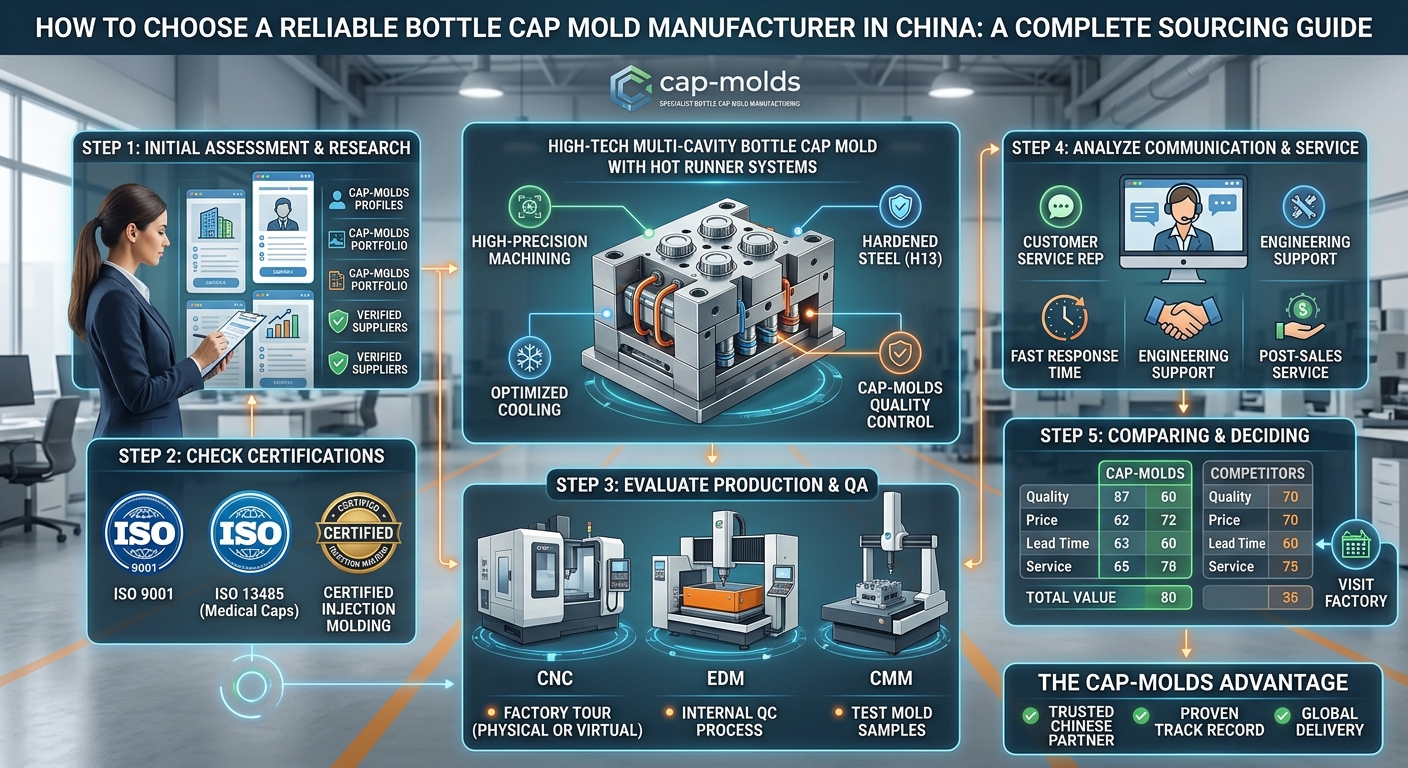
The performance and longevity of a bottle cap mold depend heavily on the machinery used to build it. Precision tolerances for cap cavities often require accuracy down to ±0.005mm to ensure interchangeable cavity components.
Essential Machinery & Tooling Standards
Verify whether the manufacturer utilizes modern, high-precision equipment in-house, including:
- High-speed CNC machining centers (Makino, Yasda, or equivalent)
- Precision Mirror EDM (Electrical Discharge Machining)
- High-accuracy SODICK wire-cutting machines
- CMM (Coordinate Measuring Machine) inspection equipment in temperature-controlled rooms
3. Steel Selection, Heat Treatment, and Mold Longevity
High-cavitation bottle cap molds endure millions of continuous cycles under intense injection pressures. Steel choice directly impacts cycle time, cooling efficiency, and tool life.
A reliable supplier will provide full material certification for core, cavity, and mold base components:
- Cavity and Core Steels: Premium Swedish or German steels (e.g., S136, Stavax, 1.2083, or 1.2344) hardened to HRC 48–54 ensure superior corrosion resistance and high wear durability.
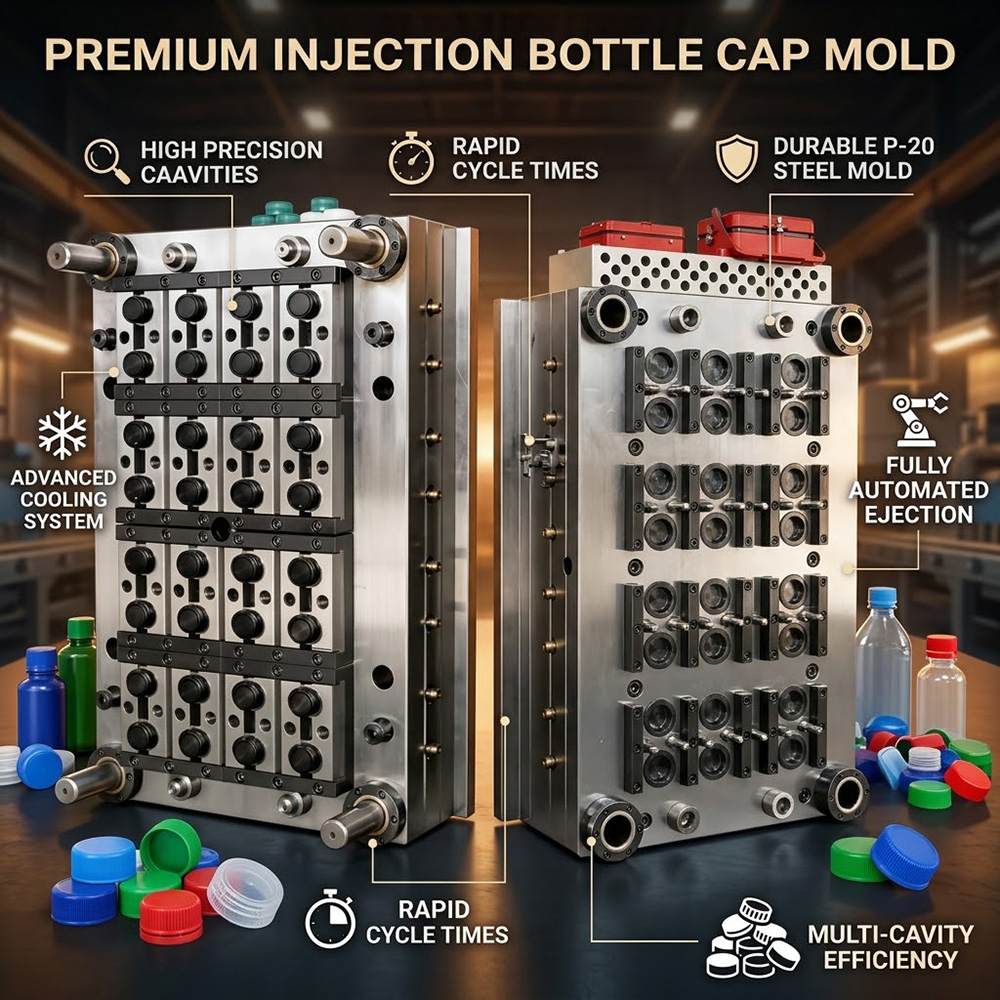
- Cooling Efficiency: Utilization of Beryllium Copper (BeCu) inserts or conformal cooling channels accelerates heat dissipation, significantly dropping cycle times.
- Surface Coatings: Advanced PVD or DLC (Diamond-Like Carbon) coatings applied to moving cores improve ejectability and extend maintenance intervals.
4. Multi-Cavitation & Fast Cycle Time Engineering
High-volume beverage and packaging lines require maximum production efficiency. Evaluating a manufacturer's experience with high-cavitation setups is crucial:
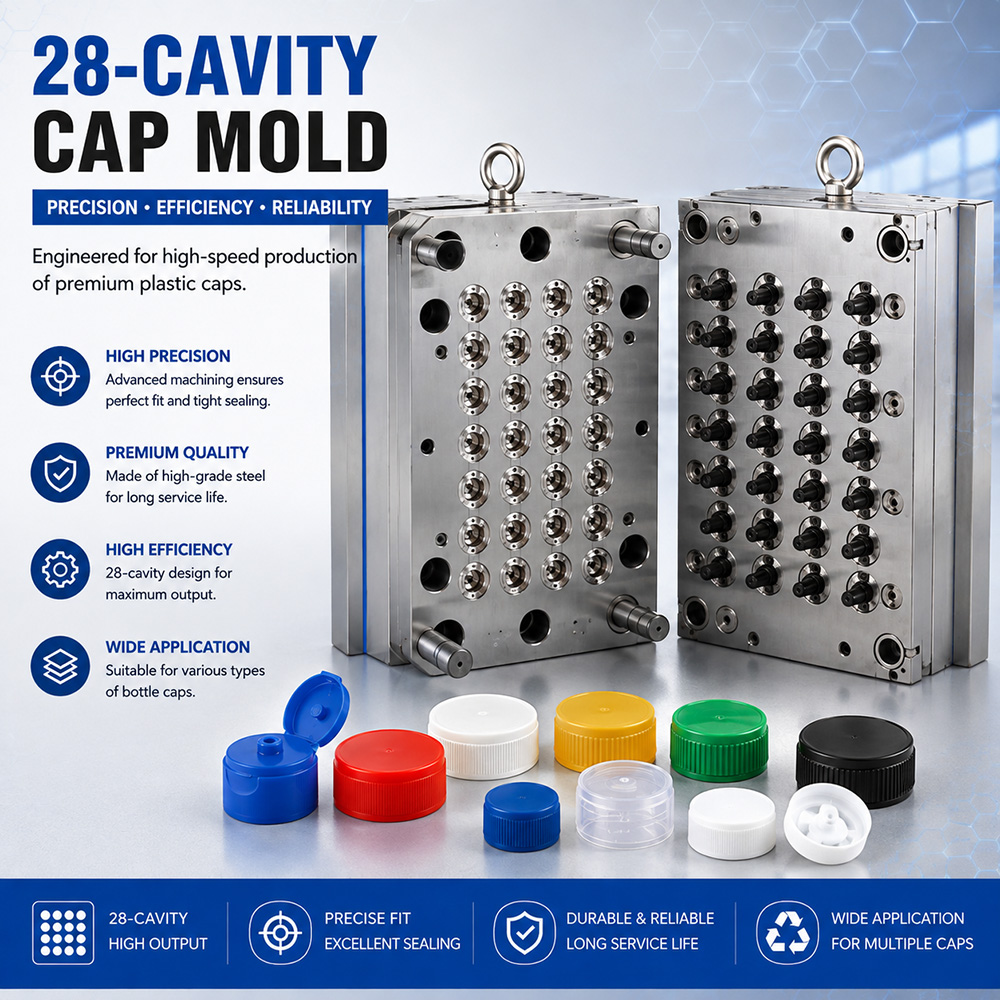
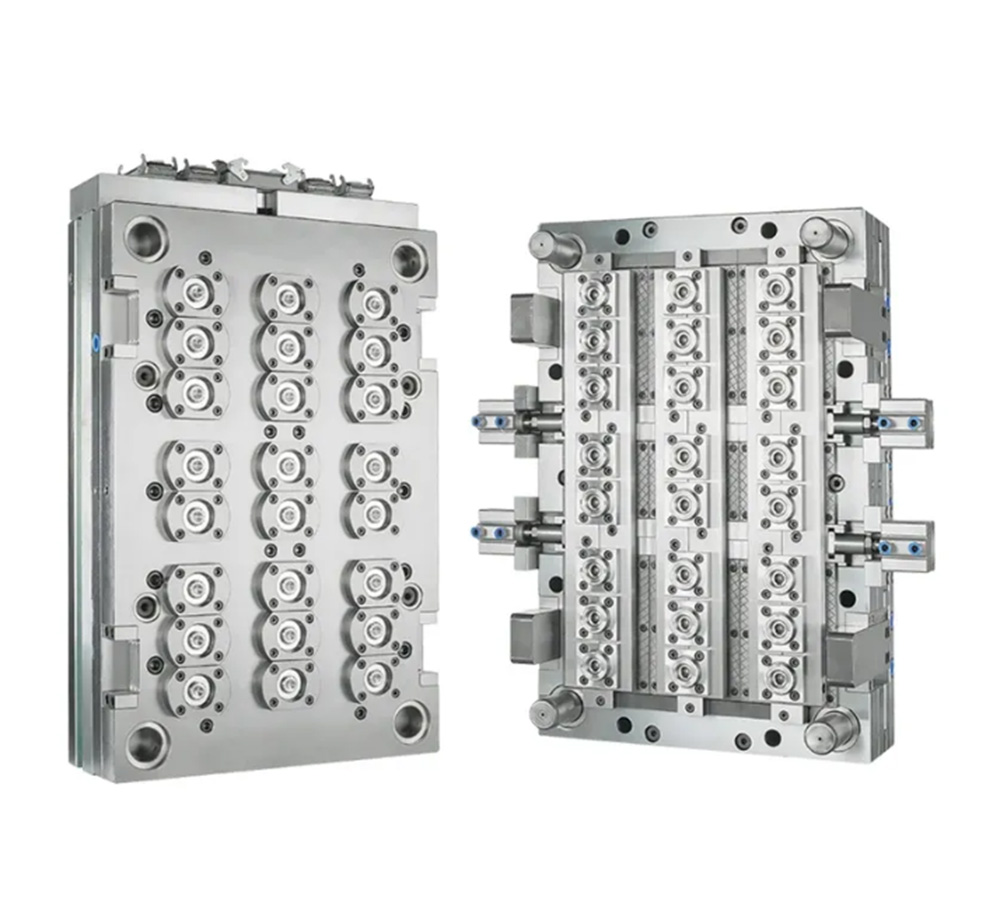
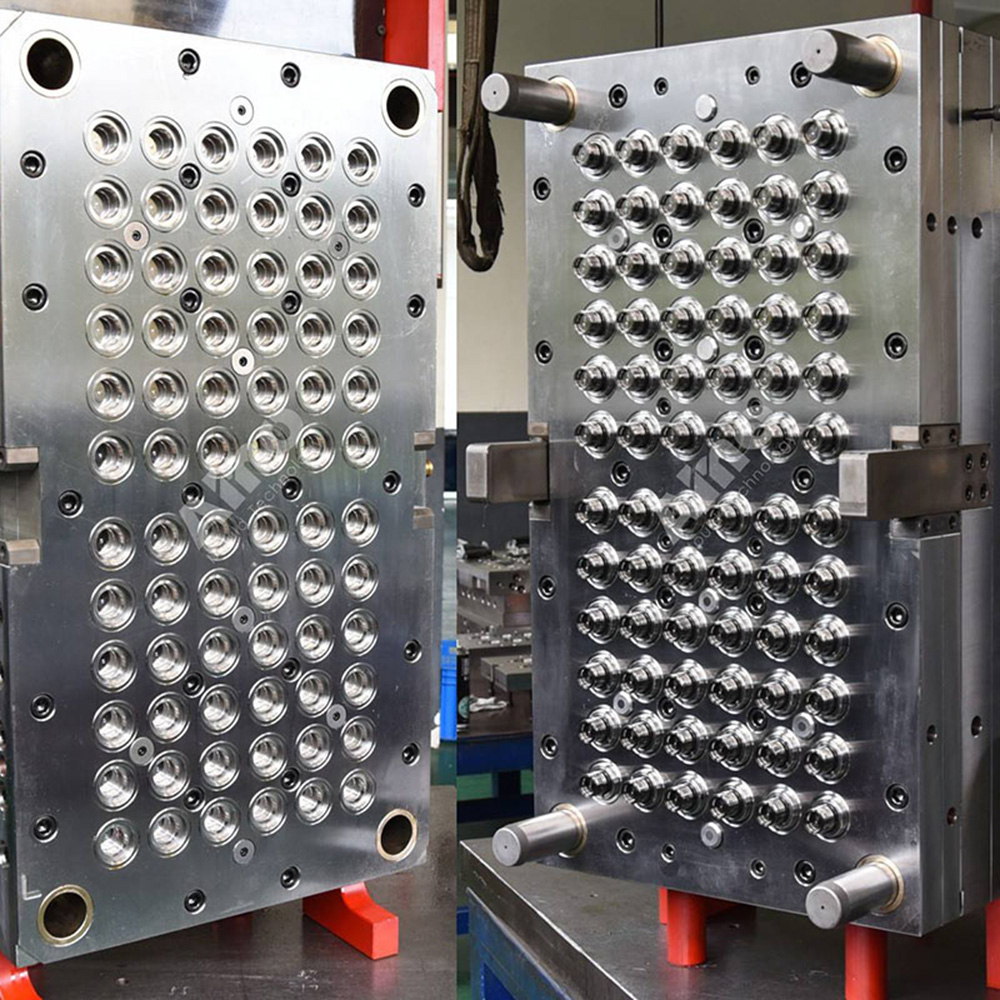
- High-Cavitation Expertise: Look for proven success in building 16, 32, 48, 72, or 96-cavity molds with balanced hot runner systems.
- Hot Runner System Integration: Experienced tooling experts design custom valve-gate or open-gate hot runners with precise zone heating to guarantee identical fill rates across all cavities.
- Stripper Plate & In-Mold Unscrewing Mechanisms: For threaded caps, smooth mechanical or hydraulic unscrewing systems and reliable stripping plates ensure fast cycle times without damaging thread profiles.
5. Quality Assurance, Factory Audits, and Mold Testing
To avoid costly operational delays, strict Quality Control (QC) procedures must be enforced prior to mold shipment.
Key Verification Steps
- In-Process Dimensional Audits: CMM measurement reports for every individual core and cavity insert.
- Continuous T1 Trial Runs: The supplier must conduct full-speed machine trials (simulating production conditions) to verify cycle times, auto-drop capabilities, and cooling uniformity.
- Cap Sample Performance Testing: Caps produced during mold trials must undergo leak testing, torque testing, seal integrity analysis, and drop tests.
Why Choose Cap-Molds as Your Professional Bottle Cap Solution Partner?
At Cap-Molds, we specialize exclusively in high-precision, high-efficiency bottle cap molds tailored for global packaging brands, closures molders, and beverage manufacturers. Our engineering solutions deliver optimal productivity and reliable operational lifespans.
- Turnkey Solutions: From initial cap design and prototyping to mold manufacturing and automated post-processing integration (such as cap slitting and lining machines).
- Ultra-Precision Manufacturing: Sub-micron machining tolerances ensuring 100% component interchangeability across multi-cavity tools.
- Engineered for Speed & Economy: Optimized cooling channel designs yield reduced cycle times, maximizing overall output per machine hour.
- Global After-Sales Service: Comprehensive technical support, wear-parts inventory management, and long-term maintenance guidance.
Conclusion
Selecting the right bottle cap mold manufacturer in China requires evaluating technical capability, tool steel quality, precision machinery, and rigorous quality control protocols. By partnering with a dedicated closure specialist like Cap-Molds, you ensure long-term production reliability, lower cost-per-part, and superior packaging performance.