Multi-Cavity vs Single-Cavity Cap Molds: Which Strategy Maximizes Your ROI?
Multi-Cavity vs Single-Cavity Cap Molds: Which Strategy Maximizes Your ROI?
In the high-speed plastic packaging industry, determining the optimal mold cavitation is one of the most critical financial and operational decisions a manufacturer can make. Whether launching a new specialty beverage closure or scaling up mass-volume production for carbonated soft drinks (CSD), the choice between a single-cavity (or low-cavitation) prototype setup and an ultra-high multi-cavity production system directly governs your unit economics, capital expenditure (CAPEX), and long-term return on investment (ROI).
As a leading Chinese manufacturing expert specializing in high-performance cap tooling, .cap-molds engineers custom solutions that bridge the gap between initial investment risk and peak manufacturing efficiency. In this technical whitepaper, we dissect the financial, structural, and operational trade-offs of mold cavitation strategies to help you maximize your production profitability.
1. Defining the Production Spectrum: Cavitation Tiers
Before evaluating ROI, it is essential to map out what cavitation levels mean in real-world packaging operations:
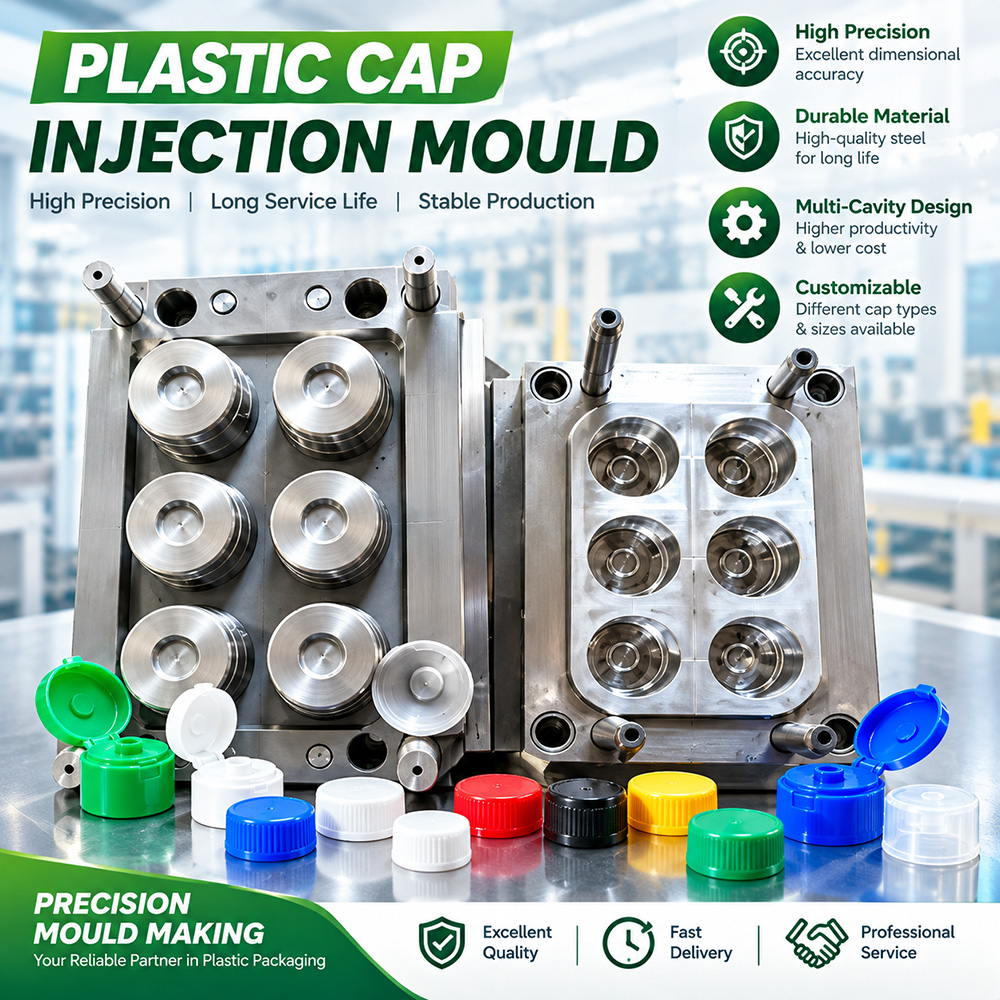
- Single-Cavity / Low Cavitation (1 to 8 Cavities): Primarily utilized for prototyping, material testing, low-volume niche markets, or exceptionally large, complex components where multi-injection paths are structurally prohibitive.
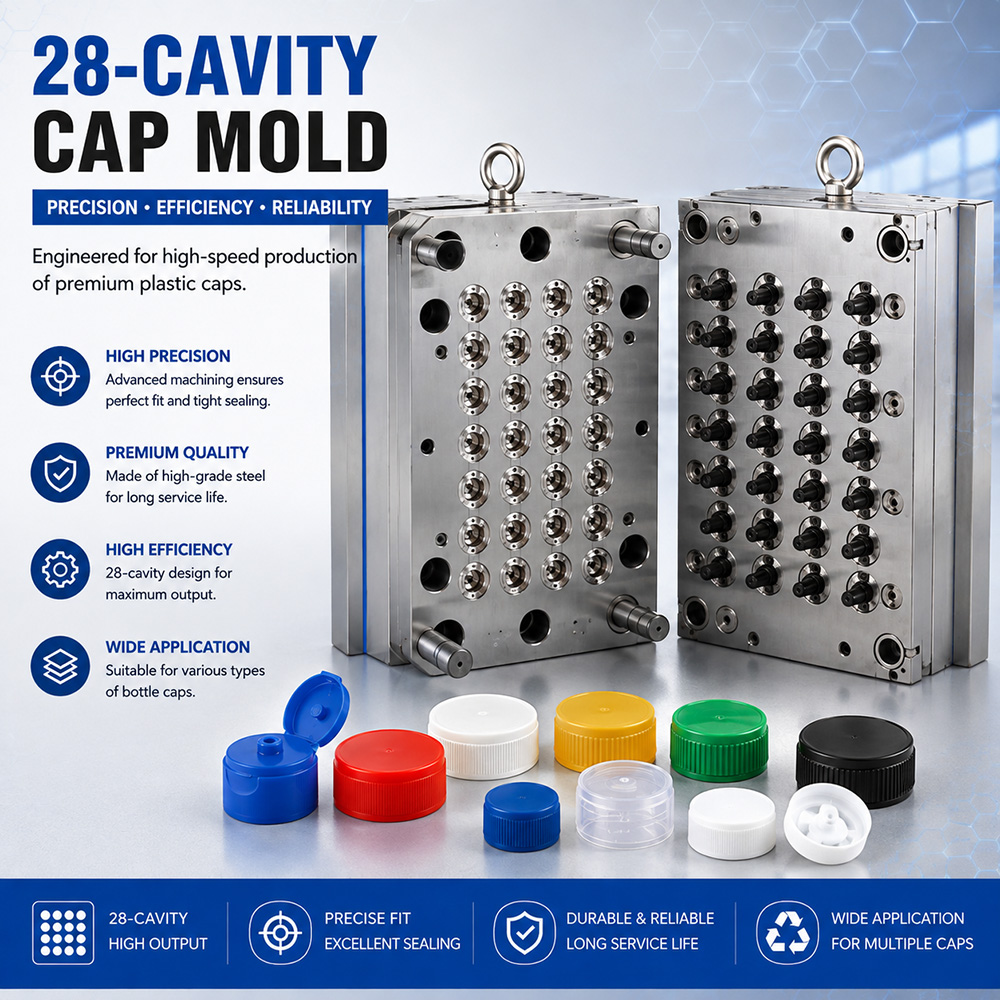
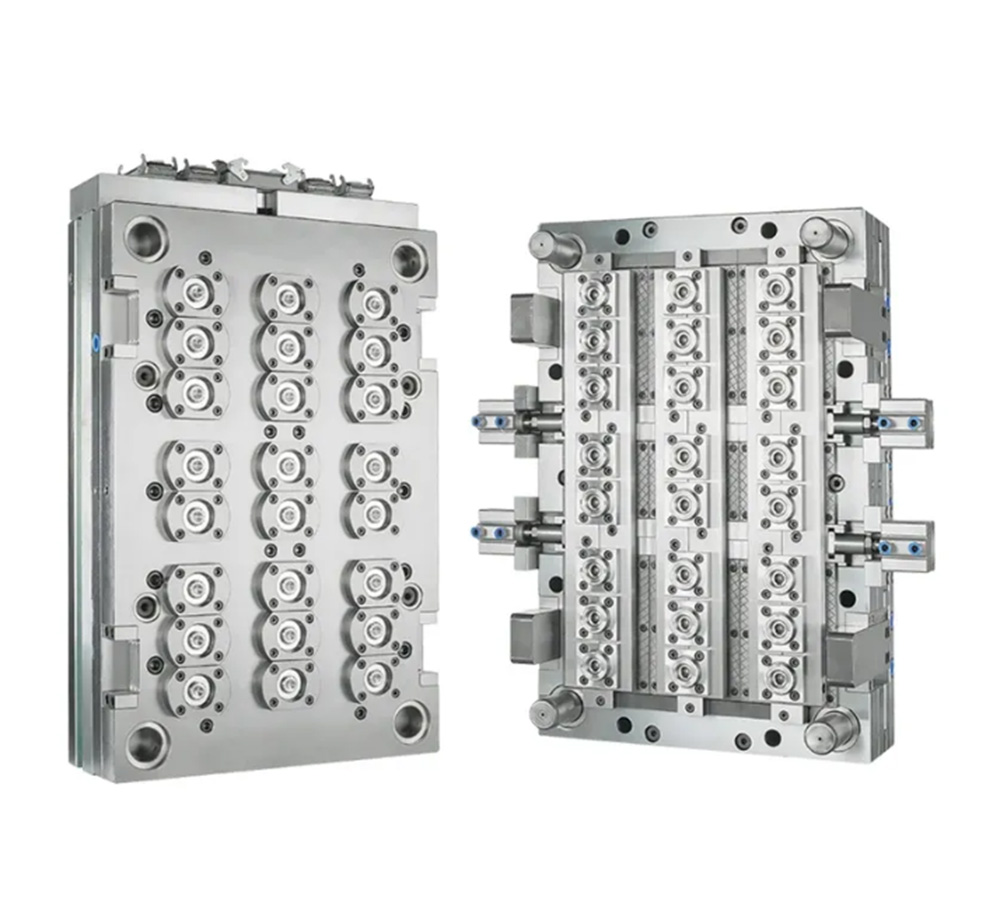
- Medium Cavitation (16 to 32 Cavities): Suited for mid-tier regional brands, specialized flip-top cosmetic closures, or custom design runs requiring moderate flexibility.
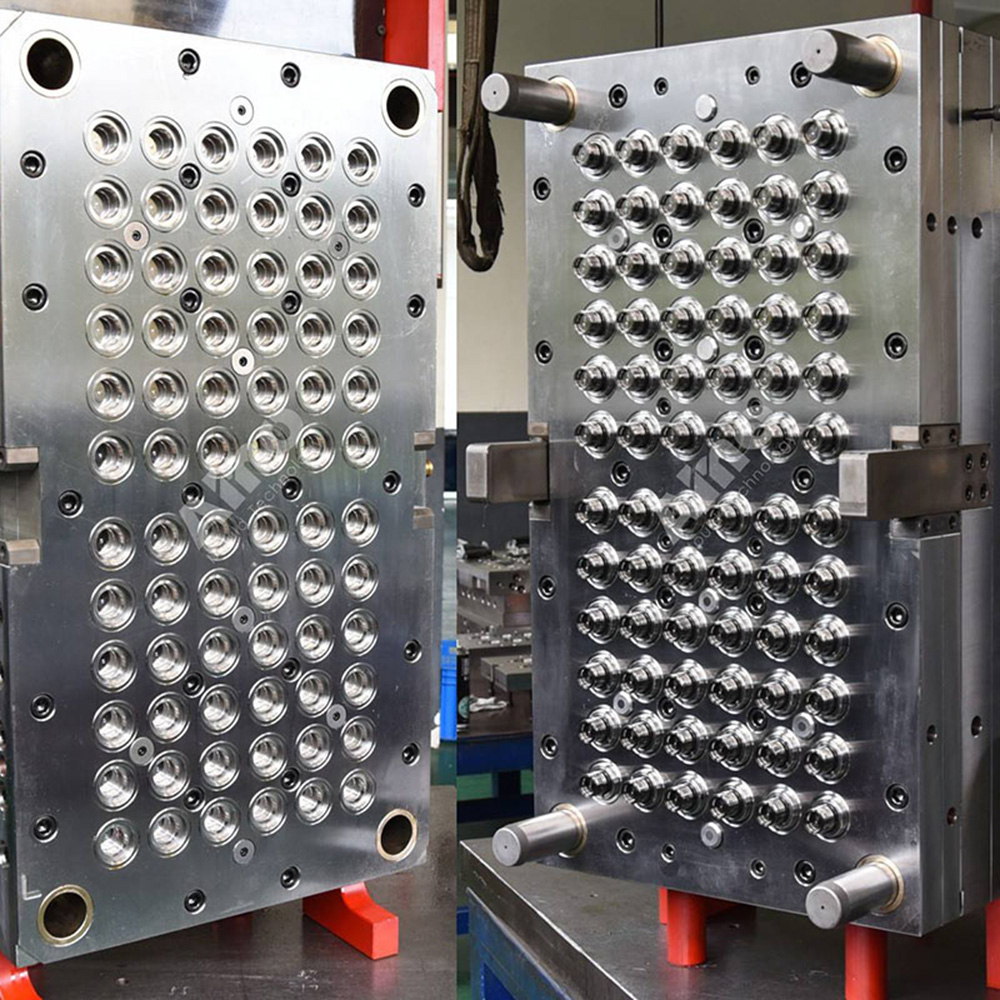
- Ultra-High Multi-Cavity (48 to 144+ Cavities): The gold standard for mass-scale beverage and water cap manufacturing. These molds operate in high-speed injection molding machines with fully balanced hot runner systems.
2. Financial Modeling: CAPEX vs. Unit Cost (COGS)
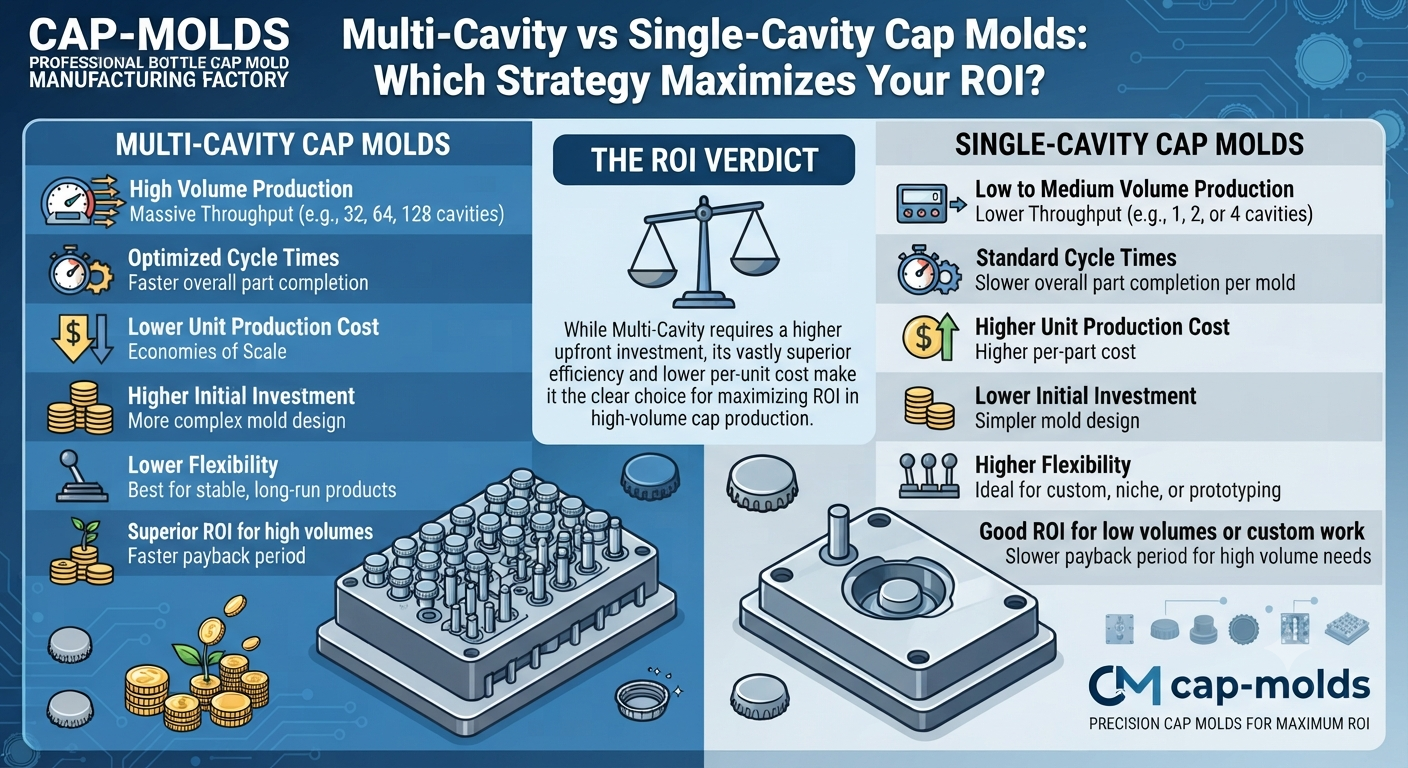
The primary driver behind choosing multi-cavity molds is the drastic reduction in the Cost of Goods Sold (COGS) per cap. However, this must be weighed against initial tooling outlays.
| Evaluation Metric | Single / Low Cavitation Strategy | Ultra-High Multi-Cavity Strategy (72+ Cavities) |
|---|---|---|
| Initial Tooling CAPEX | Low (Minimal upfront engineering and steel cost) | High (Demands premium steel, complex hot runners) |
| Cycle Time Efficiency | Slower relative output per hour per machine footprint | Optimized (Uniform high-speed cycles, often under 6 seconds) |
| Unit Production Cost | High (Labor and machine amortization heavily burden each unit) | Ultra-Low (Massive distribution of fixed overhead across millions of caps) |
| Break-Even Timeline | Fast for small batches, economically unviable for mass volume | Requires high initial volume, but achieves rapid long-term ROI |
3. Engineering Challenges in Multi-Cavity Mold Design
Scaling up from a single cavity to a 96 or 144-cavity mold is not a simple linear replication; it introduces complex thermodynamic and mechanical variables that require elite engineering expertise.
A. Melt Balance and Thermal Uniformity
In a multi-cavity system, plasticized polymer must reach every single cavity simultaneously and at an identical temperature. Uneven thermal distribution leads to localized residual stress, dimensional variance, and weak sealing lips. .cap-molds utilizes advanced rheological flow simulations and naturally balanced hot runner manifolds to ensure complete melt equilibrium across all cavities.
B. Cooling Consistency and Out-of-Roundness Prevention
With dozens of caps cooling simultaneously, even a minor temperature variance across the mold base can cause elliptical distortion (out-of-roundness) in thin-walled caps. We integrate high-conductivity Beryllium Copper (BeCu) inserts and precision-engineered cooling circuits to maintain strict thermal equilibrium.
C. Interchangeability and Maintenance Downtime
When a mold has 72 cavities, maintenance efficiency is vital. If a single core or cavity is damaged, the entire production line shouldn't grind to a halt for custom fitting. At .cap-molds, all core and cavity inserts are manufactured with CNC precision tolerances within ±0.005mm, guaranteeing complete interchangeability for rapid drop-in replacements.
4. Strategic Decision Framework: When to Choose Which?
To determine whether your next project calls for a targeted low-cavitation design or an aggressive multi-cavity system, ask your engineering team these three core questions:
- What is the annual volume requirement? If your target output exceeds 20 million units annually, single or low-cavitation setups will result in prohibitive labor and machine hour costs. Multi-cavity is mandatory.
- Are you in the prototyping phase? For brand-new cap designs undergoing consumer testing, starting with a prototype or low-cavitation mold mitigates financial risk before scaling.
- What is the machine compatibility? Multi-cavity molds require high clamping force, specialized injection speeds, and robust accumulator systems. Ensure your injection molding machinery matches the cavitation scale.
5. Partner with .cap-molds for Optimized ROI
Choosing the correct cavitation strategy dictates the long-term success of your packaging enterprise. As an industry-leading Chinese cap mold manufacturer, .cap-molds combines cutting-edge CAD/CAM design, high-speed Makino and Yasda CNC machining, and rigorous quality validation to deliver robust closure tooling.
Whether you need a flexible mid-cavity tool or a massive 144-cavity high-speed production mold built from Swedish S136 stainless steel, our engineering experts are ready to optimize your workflow. Contact .cap-molds today to request a comprehensive ROI and cavitation analysis for your next bottle cap project.
Keywords: multi cavity cap mold, single cavity mold, bottle cap mold, .cap-molds, cap mold ROI, high cavitation mold, injection molding cap, China cap mold manufacturer, hot runner system, closure tooling strategy, cap production efficiency, plastic closure mold, mold design optimization, high speed cap mold